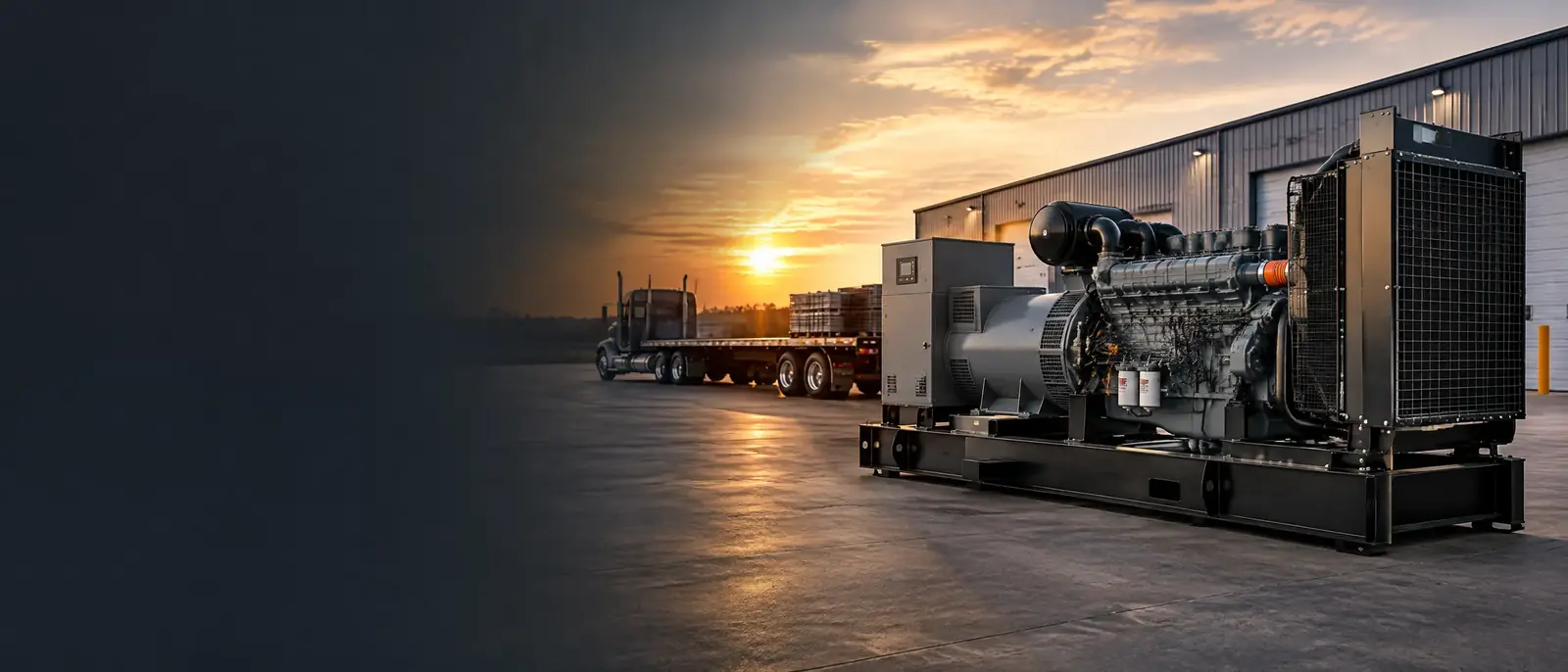
Direct, Practical, Nationwide
We help businesses convert surplus generators and electrical equipment into value without adding unnecessary complexity.
Useful answers begin with equipment knowledge.
Surplus Generator Buyers works with commercial sellers across the United States. Our role is to understand what is available, identify the information that affects marketability, make a clear purchasing decision, and coordinate the next step responsibly.
We focus on commercial and industrial assets rather than household equipment. That focus helps us ask better questions about generator ratings, controls, breaker frames, transformer characteristics, switchgear construction, motor-control assemblies, wire quantities, and the site conditions that affect removal. The objective is a practical transaction built on the actual equipment.
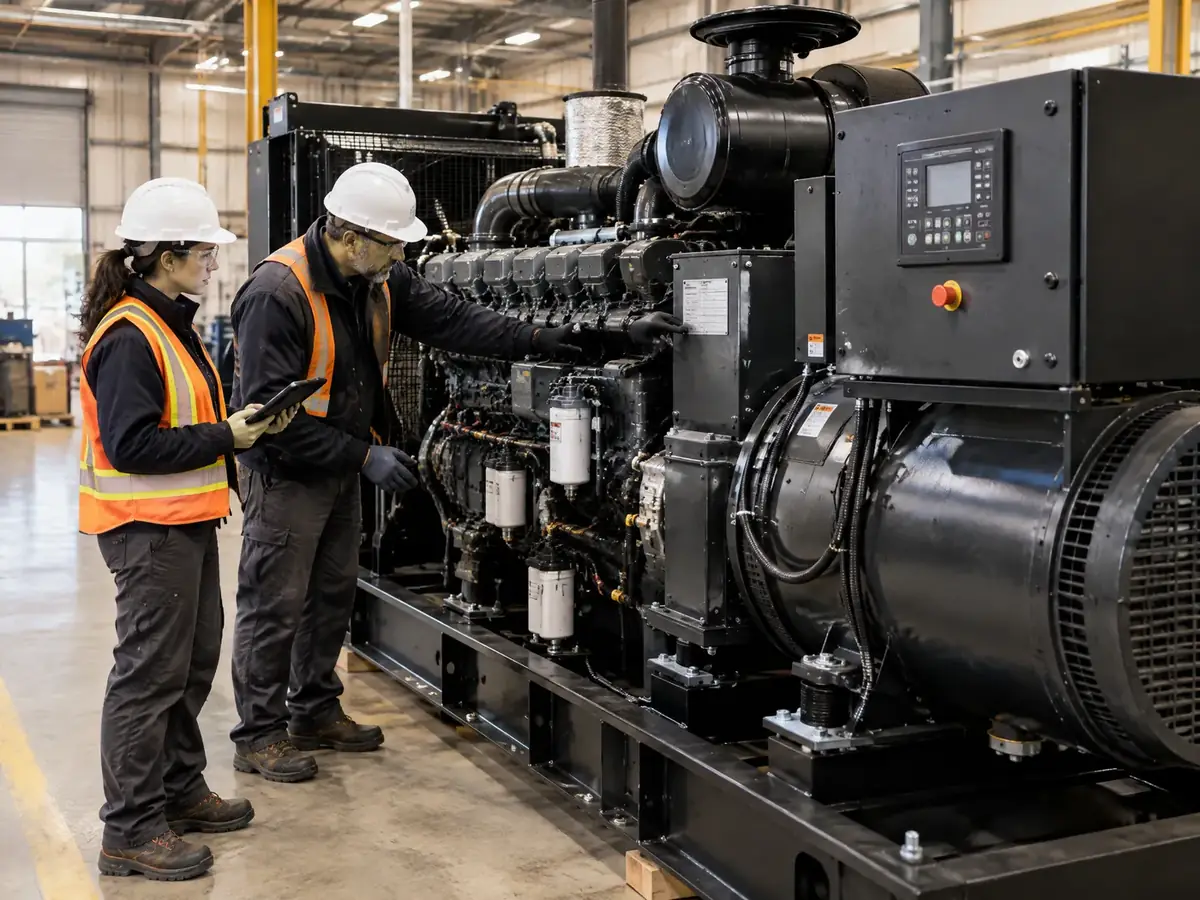
Who we serve
Our sellers include electrical contractors finishing large projects, distributors correcting overstock, manufacturers reorganizing production space, property teams replacing standby systems, hospitals and data centers upgrading critical power, demolition contractors separating reusable assets from waste, and companies closing or consolidating facilities. The size of the organization matters less than the quality of the information and the commercial fit of the equipment.
How we approach value
We do not reduce every asset to metal weight. Manufacturer, model family, electrical rating, run hours, condition, completeness, testing history, configuration, and present demand influence resale potential. Location and handling also matter. A generator at grade beside a loading area presents a different project from the same unit behind an active mechanical room. Our goal is to evaluate the whole opportunity and communicate the assumptions behind the next step.
What a seller controls
Sellers improve the process by preserving nameplates, controls, breakers, doors, manuals, and matching accessories. Clear photographs and an organized list shorten the review. Honest condition notes prevent surprises. A knowledgeable site contact can confirm ownership, access, disconnection status, dimensions, weight, security requirements, and the desired pickup schedule. These details are more valuable than a polished sales description.
Nationwide does not mean anonymous
A national service model should still produce a clear point of contact and a site-specific plan. Each transaction needs defined equipment, agreed terms, identified responsibilities, and a realistic release schedule. The state and city guides on this site help sellers reach relevant information, but the buying process remains consistent: document the asset, review the market, confirm the scope, and coordinate the handoff.
Equipment categories we understand
Our coverage includes commercial diesel and natural-gas generators, automatic transfer switches, circuit breakers, dry-type and distribution transformers, low- and medium-voltage switchgear, switchboards, panelboards, motor-control centers, starters, drives, disconnect switches, busway, commercial lighting, and electrical wire or cable. Not every item will qualify for purchase, but accurate identification allows us to make that determination efficiently.
What we do not promise
No responsible buyer can guarantee a high offer without specifications, condition, location, and access information. We do not describe every older asset as valuable, and we do not encourage sellers to dismantle equipment before it has been evaluated. Market demand changes. Some equipment is incomplete, damaged, unsafe, or uneconomical to transport. A useful answer distinguishes marketable assets from material that should follow a different recovery path.
How to begin responsibly
Start with the equipment that has the clearest identification and the greatest project impact. Gather current photographs and records, then call with the location and timing. For large inventories, group identical items and separate equipment by site. Do not perform electrical, mechanical, lifting, or transportation work outside the capability of qualified personnel. Our commercial review can organize the buying decision, while each site retains responsibility for its own safety procedures and authorized contractors.
Our communication standard
A seller should know what information is still needed, which assumptions affect the offer, and what happens next. We aim to keep those points explicit from the initial review through release. When facts change, the scope should be updated before crews or carriers are committed. Clear communication is not a marketing extra; it is part of completing an equipment transaction responsibly.
How this resource library is maintained
The site is organized around the facts commercial sellers repeatedly need: identification, ratings, condition, documentation, access, and release planning. Pages are reviewed as equipment questions and search behavior change. Manufacturer names identify equipment only and do not imply affiliation. When a guide cannot answer a unit-specific question without inspection or records, it says so rather than presenting an assumption as fact.
What sellers should expect
A defined scope
The equipment under review and the information still needed are identified clearly.
Commercial focus
The process is designed for contractors, facilities, distributors, and industrial operators.
Nationwide reach
Location guides connect regional searches to one consistent buying process.
Value before disposal
Marketable equipment is evaluated for reuse before recycling becomes the default.