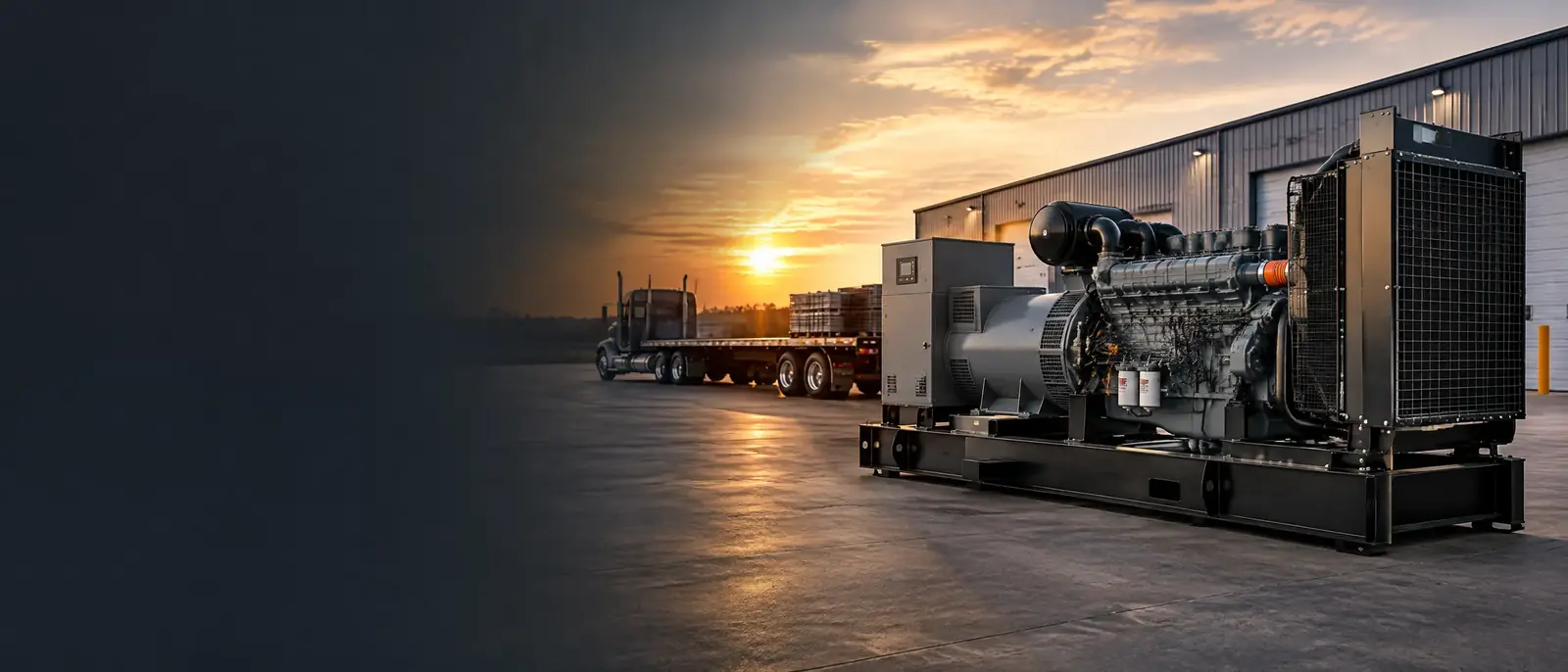
Request a Generator Surplus Quote
The fastest path to a useful answer is a clear equipment list, readable nameplates, current photographs, condition notes, and an accurate location.
Start with the basics. We’ll guide the rest.
Tell us whether you have a generator, a group of electrical components, or a complete facility inventory. We buy nationwide and review commercial equipment from manufacturers, contractors, facilities, distributors, and project teams.
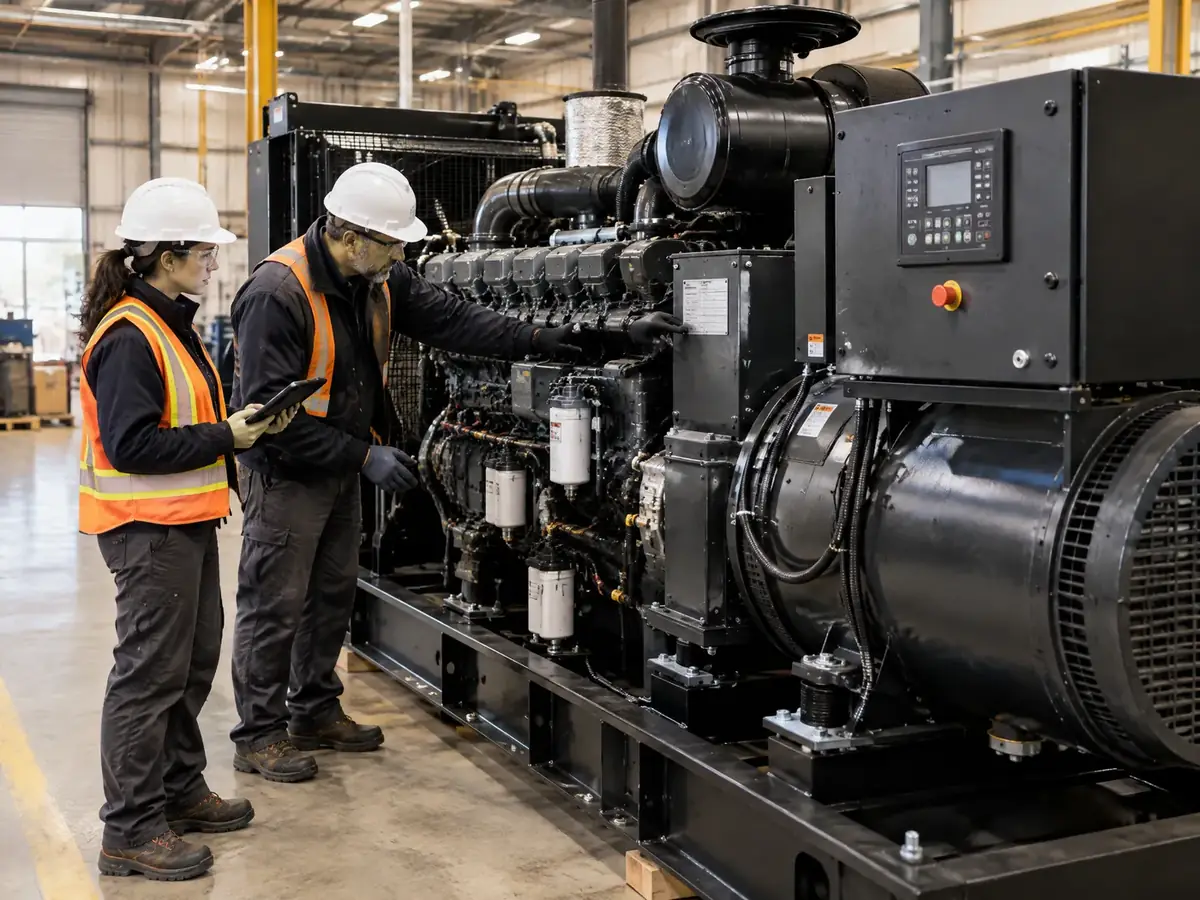
Prepare an equipment package a buyer can evaluate
Begin with the most valuable or time-sensitive assets. Create one line for each unique model or a single line for a group of identical items. Include the quantity, manufacturer, full model number, rating, age, condition, and exact city and state. For generators, add fuel type, voltage, phase, frequency, run hours, enclosure type, and transfer-switch information. For breakers, transformers, switchgear, motor controls, disconnects, wire, or lighting, capture the full nameplate or catalog information.
Photograph the right details
Take an overall photograph that shows the complete asset and its surroundings. Then photograph the nameplate straight on, in focus, and close enough to read. Add the control panel, breaker, connection area, enclosure, accessories, and any visible damage. Avoid screenshots of old listings or manufacturer brochures when the actual equipment is available. Current photographs help verify completeness and reveal access issues that a specification sheet cannot show.
Describe location and access
State whether the equipment is installed, disconnected, palletized, outdoors, inside a mechanical room, on a roof, at grade, or near a dock. Note stairs, narrow doors, soft ground, overhead restrictions, security requirements, active production areas, and scheduling windows. If a contractor will handle disconnection or rigging, provide that scope. A buyer needs these facts to compare the equipment value with the practical cost of a safe pickup.
What happens next
We review the submission for commercial fit and identify any missing details. If the opportunity qualifies, the next conversation addresses the equipment scope, offer assumptions, payment, release timing, and transportation. Large inventories may require an organized spreadsheet, additional photographs, a video walkthrough, or a site visit. The objective is to resolve important questions before people and trucks are scheduled.
Keep the transaction clear
Confirm that the final offer identifies the assets being sold and the responsibilities of each party. Do not release equipment until ownership, payment, access, and pickup authority are clear. Keep serial-number records and final photographs with your documents. These steps support a clean handoff for contractors, facilities, corporations, and public organizations alike.
Questions to have ready
Know who owns the equipment, who can approve the sale, who controls site access, and whether the desired pickup date is firm. Explain whether the buyer may inspect before purchase and whether the asset can be tested. For installed equipment, identify the contractor responsible for shutdown and disconnection. For stored equipment, confirm whether a forklift, dock, crane, or loading crew is available. Clear answers prevent the quote from being based on assumptions that later change.
Information not to send publicly
Share public-facing descriptions carefully. Exact facility security procedures, access codes, personal identification, banking information, and other sensitive records should not appear in a public listing. Provide commercially necessary site details directly to the buyer after establishing the correct contact. A secure transaction needs enough information for due diligence without exposing unrelated operational or personal data.
When the inventory is large
Use a spreadsheet with columns for site, equipment type, manufacturer, model, rating, quantity, condition, status, and notes. Name photograph folders by the same asset identifier used in the spreadsheet. Separate items included in the sale from assets that must remain. If the release will occur in phases, provide the available date for each group. This organization allows a buyer to review a large program efficiently and return questions in a form your team can answer.
Choose the best first contact
Call when the opportunity is urgent or when a quick qualification question can prevent unnecessary work. Email when you have several photographs, a spreadsheet, test reports, or a multi-site list. In either case, begin with the asset, location, condition, and requested timing. A concise, complete first message is more useful than a long description that omits the nameplate or access facts.