
A commercial buying process built around usable information
Surplus equipment should not sit indefinitely in a warehouse, occupy production space, or become an unplanned disposal project. We help businesses evaluate marketable motor controls and turn qualified inventory into a direct sale. The process begins with specifications and condition, not a generic price-per-pound assumption.
Types of motor controls we evaluate
We review single high-value assets, matching quantities, mixed pallets, project overstock, replacement spares, and complete facility inventories. The strongest opportunities include recognizable manufacturers, legible nameplates, complete assemblies, and equipment with a clear history. Older or discontinued products may still have value when demand exists for replacements, repairs, or compatible expansions.
Condition and quantity both matter
A useful equipment description separates new surplus, unused open-box material, serviceable used equipment, rebuilt equipment, and untested take-outs. We do not assume that every older component is scrap. Model family, rating, frame size, enclosure type, included accessories, completeness, and current market demand can materially change an offer. Matching quantities may also be more marketable than isolated components because contractors and facility teams often need consistent replacements.
Information that supports an accurate offer
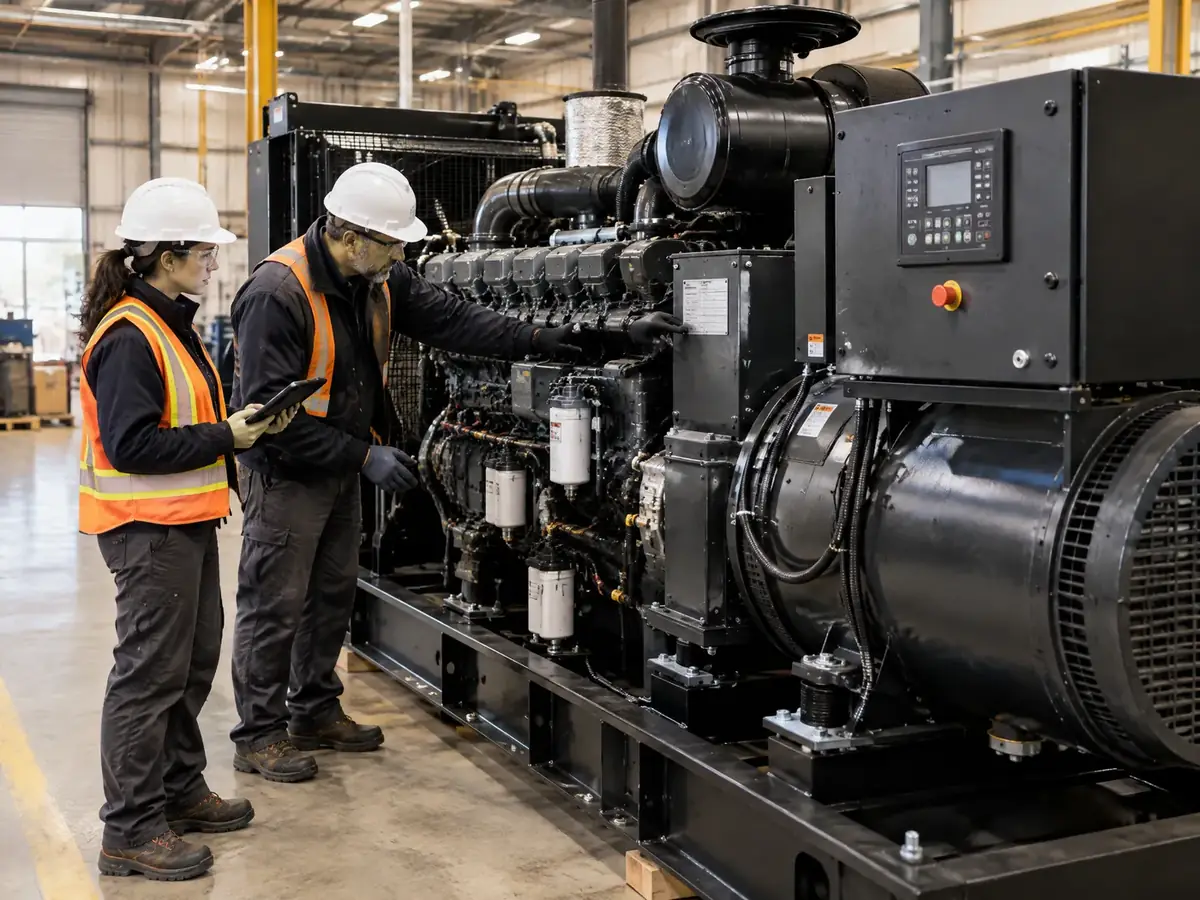
Start with the manufacturer, catalog or model number, electrical rating, quantity, and current location. Add clear photographs of the overall equipment, nameplates, labels, connections, and any visible damage. For installed equipment, explain whether it is energized, disconnected, palletized, indoors, outdoors, at grade, or in a restricted mechanical room. If removal is part of the project, note dock access, crane requirements, scheduling limits, and site safety procedures.
How the selling process works
Who sells surplus equipment to us?
Our sellers include electrical contractors, industrial plants, original equipment manufacturers, distributors, property managers, hospitals, data centers, utilities, schools, government facilities, demolition teams, and companies completing renovations or capital upgrades. Each seller has different priorities. Some need a quick warehouse cleanout. Others need a controlled decommissioning schedule, multiple releases, or documentation for an internal asset-disposition process.
Why market recovery is better than premature disposal
Commercial electrical equipment contains more value than its raw material alone when it remains useful to another facility. A market-based review can identify resale opportunities before recycling is considered. That approach may improve recovery, reduce handling, and keep serviceable assets in productive use. If an item is incomplete, damaged, or commercially impractical, the evaluation should say so directly rather than create unrealistic expectations.
Keep matching components and records together
Value can be lost when related parts are separated during a rushed cleanout. Keep draw-out breakers with the correct cells, motor-control buckets with their doors and hardware, transformers with rating information, and generator controls with the original package. Save manuals, test reports, maintenance records, spare parts, keys, and commissioning documents when they are available. For new surplus, preserve cartons and factory labels. For used assets, document why the equipment was removed and whether it was operating at that time. This context helps a buyer distinguish a planned upgrade from a failure-related removal. It also reduces uncertainty for the next owner and can support a more efficient inspection. When storage space is limited, request a review before dismantling assemblies, cutting cable, discarding accessories, or mixing unrelated equipment on one pallet.
Frequently asked questions
Do you buy used and obsolete equipment?
Yes. Age alone does not determine value. We review the exact manufacturer, model, rating, condition, completeness, quantity, and current demand before deciding whether an item fits our purchasing program.
Can you buy an entire warehouse or facility inventory?
Yes. Larger projects are easier to assess when the seller provides a spreadsheet, grouped photographs, approximate quantities, and a site contact who understands access and scheduling requirements.
Do you arrange transportation?
Transportation and removal are planned according to the transaction. Share accurate weights, dimensions, loading access, equipment status, and timing so the correct approach can be included in the offer.
How quickly can I receive an answer?
Complete submissions move fastest. A readable nameplate, overall photographs, quantity, location, and condition usually prevent the delays caused by repeated information requests.