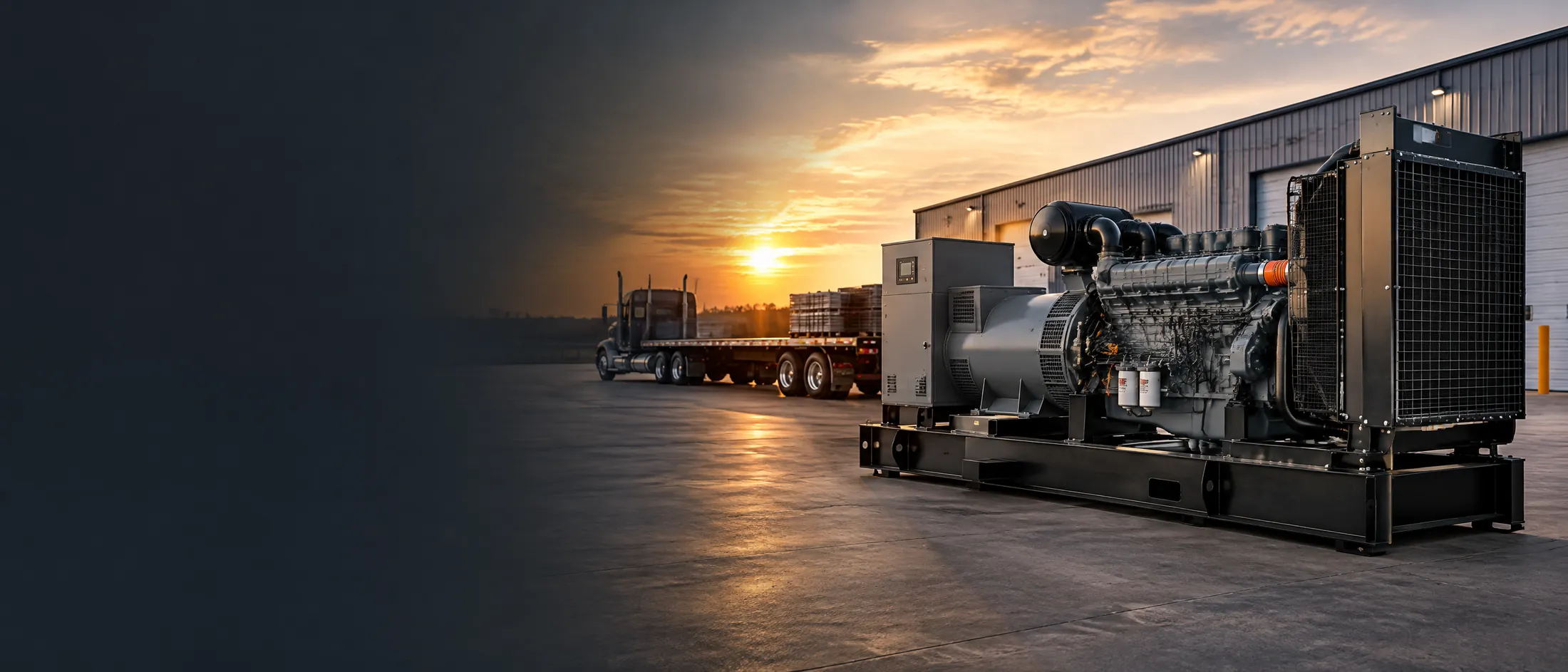
Do you buy commercial generators?
Yes—we review qualifying commercial and industrial generator sets nationwide. The strongest opportunities have a clear manufacturer and model, readable nameplates, verified kW or kVA rating, voltage and phase, fuel type, hours, condition, complete controls and breaker, current photographs, and a realistic pickup plan. A purchase is not automatic; equipment identity, demand, condition, completeness, location, and handling cost determine fit.
Find the generator guide that matches your equipment
This resource center is organized around the decisions a commercial seller actually needs to make. Start with generator type, manufacturer, condition, or a seller tool. Each guide explains what to photograph, which ratings matter, how buyers interpret condition, what affects marketability, and how to prepare an accurate equipment review without guessing.
Generator Types We Buy
Diesel, natural-gas, standby, mobile, open-skid, and enclosed commercial generator systems.
6 detailed guides 02Generator Manufacturers We Buy
Focused purchasing guides for major commercial generator and engine manufacturers.
7 detailed guides 03Generators by Condition
New surplus, documented low-hour units, and used industrial generators with honest condition records.
3 detailed guides 04Generator Seller Tools
Practical identification, valuation, photography, inventory, freight, and disposition guides.
6 detailed guidesWhat information makes a generator marketable?
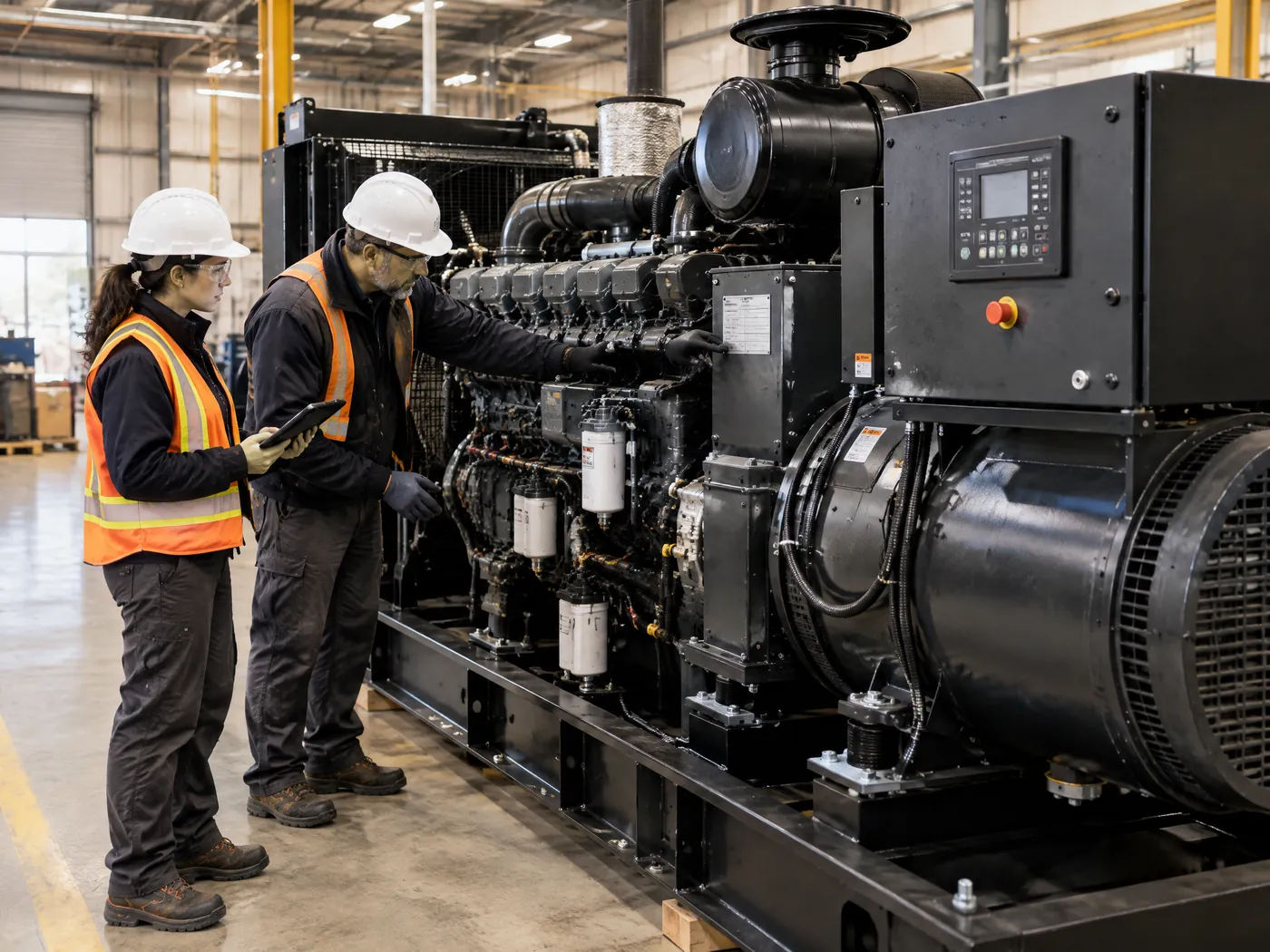
A photograph of a generator enclosure does not establish its identity. Record the generator-set manufacturer, model, serial number, standby and prime rating, voltage, phase, frequency, power factor, fuel, year, and run hours. Photograph the engine and alternator labels, control panel, main breaker, enclosure, radiator, fuel system, sub-base tank, emissions equipment, transfer switch, accessories, and visible damage. State whether the unit was operating when removed, whether current test records exist, and whether the package is installed, disconnected, or load-ready.
Exact identity
Model and serial data connect the equipment to the correct rating, engine, alternator, controls, and parts path.
Complete ratings
Standby versus prime rating, voltage, phase, frequency, and breaker configuration prevent false comparisons.
Supportable condition
Hours, operating history, test reports, maintenance records, storage, and current photographs reduce uncertainty.
Realistic release
Weight, dimensions, access, disconnection status, loading method, location, and timing shape the transaction.
Seller tools that reduce back-and-forth
The strongest feature of a useful buyer website is not a large page count. It is a library that helps sellers produce better evidence. Use the identification, valuation, photography, spreadsheet, freight, and selling-channel guides before requesting a review. They make each inquiry easier to evaluate and give search engines and answer systems clear, quotable explanations tied to a real task.
Commercial generator inventory template
Download a CSV with the fields buyers need for model, rating, condition, hours, accessories, location, access, and photo references.
How commercial generator value is evaluated
There is no responsible universal price per kilowatt. Market value depends on exact identity, capacity, configuration, fuel, voltage, age, operating hours, maintenance, test history, emissions tier when relevant, enclosure, breaker, tank, transfer equipment, completeness, storage, present demand, and transportation. A newer unit can be difficult to place when voltage or configuration has narrow demand. An older unit can remain useful when it is complete, documented, and supported by an active replacement market.
Condition terms must match available evidence. “New surplus” should mean unused equipment with credible records or factory identification. “Low hour” should be supported by a readable controller or service record. “Used” should explain whether the set was operating when removed. “Rebuilt” or “reconditioned” should identify the work and documentation. If status is unknown, describe the unit as untested rather than turning uncertainty into a claim.
Frequently asked questions
Does Surplus Generator Buyers buy commercial generators?
Yes. We review qualifying diesel, natural-gas, standby, mobile, open-skid, and enclosed commercial generator sets nationwide. Manufacturer, model, rating, fuel, voltage, hours, condition, completeness, location, access, and current demand determine purchasing fit.
What information is needed to sell a generator?
Send the manufacturer, full model and serial number, standby and prime rating, voltage, phase, frequency, fuel, year, hours, condition, location, and clear photographs of the complete set, nameplates, controls, breaker, engine, alternator, enclosure, and included accessories.
Do you buy used or non-running generators?
Selected used, untested, incomplete, or non-running commercial units may qualify, but condition must be described accurately. Operating history, test records, missing components, visible damage, storage, configuration, and present resale demand affect the review.
Can you coordinate generator pickup?
Pickup or freight may be included for qualified purchases. The plan depends on equipment dimensions and weight, whether the unit is installed or disconnected, loading access, fluid and battery status, site rules, timing, and the responsibilities agreed in the purchase terms.