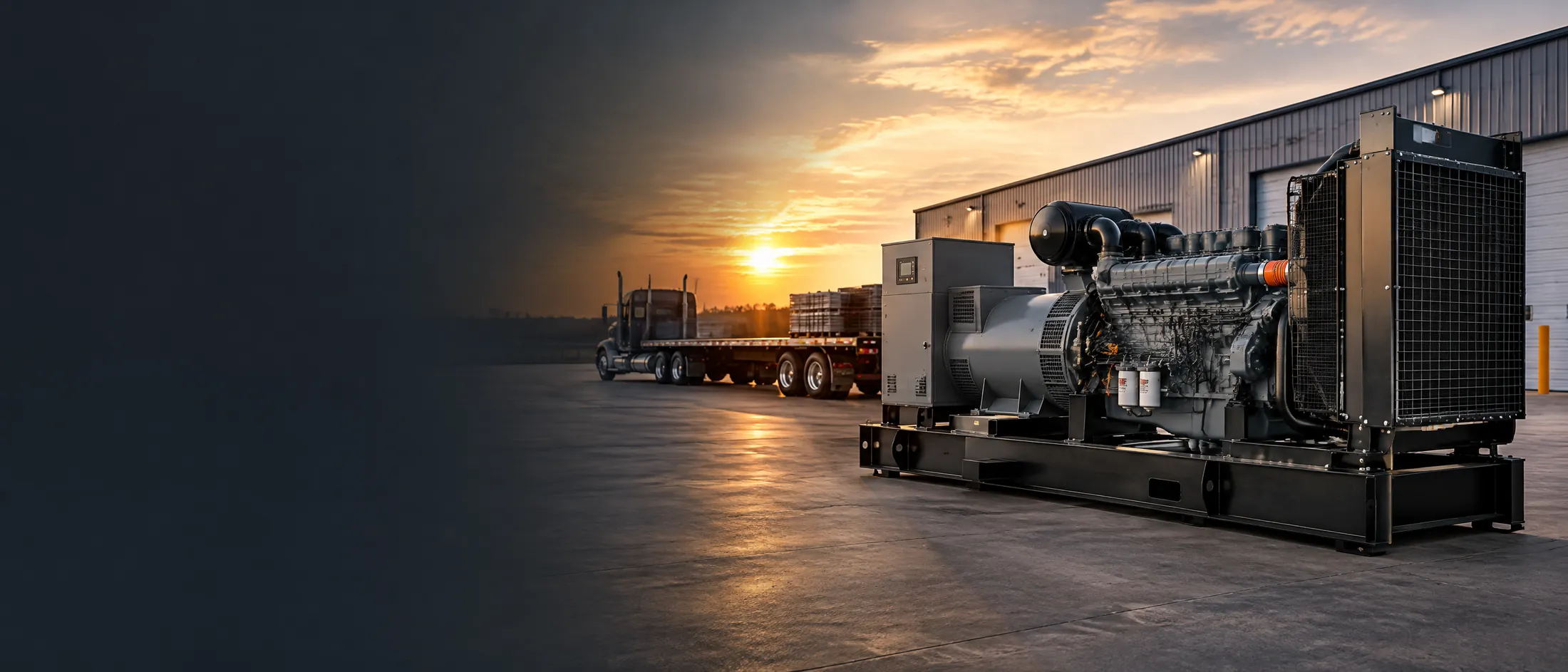
Do you buy commercial natural‑gas generators?
We review qualifying natural‑gas and gaseous‑fuel generator sets for potential purchase. The decisive specifications are manufacturer, model and serial, nameplate kW/kVA with standby or prime rating, voltage/phase/frequency, fuel system type, year and total hours, engine and alternator models, controls and breaker details, enclosure and tank condition, test history, quantity and physical access.
What sellers should know
This page explains what information we need when you want us to review commercial natural‑gas generators (fixed or mobile units, indoor or outdoor skid/gensets). Examples include packaged units from manufacturers such as Caterpillar, Cummins, Kohler, Generac, MTU and others.
We consider gensets running on natural gas, methane, landfill gas, digester gas and dual‑fuel arrangements. Typical reviews cover mid‑range industrial sets (50 kW to multiple MW), including prime and standby rated equipment, automatic transfer control gear and switchgear mounted breakers or MCC integration panels.
Specifications that support a purchase review
To evaluate a natural‑gas genset we need clear, verifiable specifications. Common items reviewers cite include nameplate data (kW/kVA, voltage, phase, Hz), engine and alternator make/model, controls and breaker size, fuel configuration, hours and service history. Below are the specific specs that most influence whether equipment qualifies for purchase and why they matter.
Condition and documentation
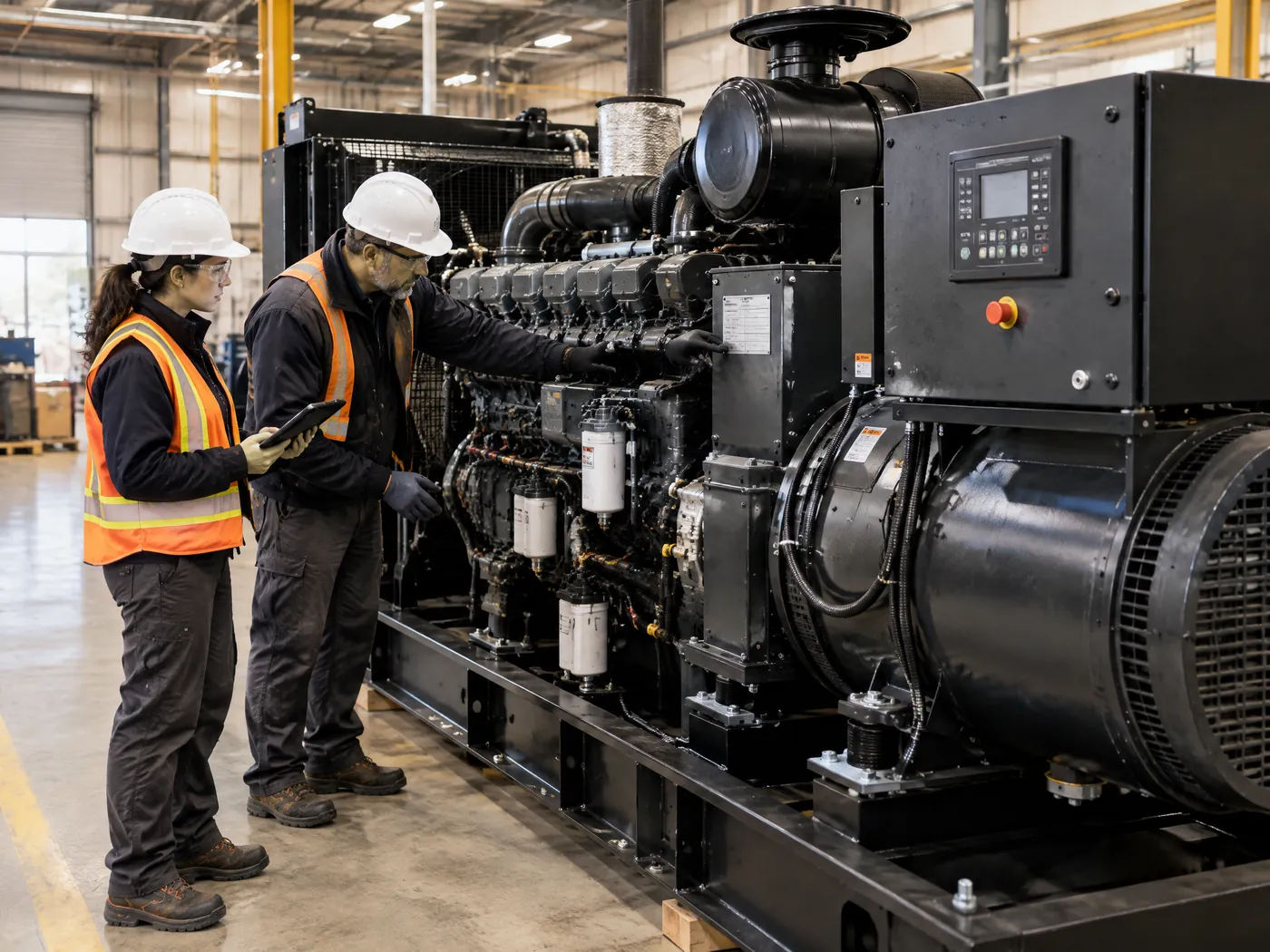
We assess condition from documented evidence: hour‑meter photos, serial plate images, oil and coolant sample results, maintenance invoices, and run or load‑bank test videos. Exterior condition — enclosure corrosion, door hinges, cooling package damage, and soot or gas leakage signs — is captured in photos. Units removed from service but preserved indoors generally have different value expectations than continuously operated outdoor units. Electrical damage (burnt buswork, tripped breaker history) and missing critical components (control modules, fuel regulators, safety valves) materially affect review outcomes.
What affects marketability?
Fuel infrastructure and site compatibility
Buyers consider available gas pressure, gas conditioning equipment, and whether the genset uses a separate pressure regulator, mixer or gas scrubber. Units set up for high‑methane landfill gas or unconditioned digester gas are evaluated differently than those designed for pipeline natural gas.
Emissions and regulatory considerations
Emissions controls, catalytic after‑treatment, or converters influence where a unit can be resold or redeployed. Local permitting history and documented emissions testing are useful evidence for review.
Controls and integration
Compatibility with common control systems, paralleling gear, synchronization panels and communication protocols (Modbus, Ethernet, etc.) affects market interest and price realization.
Physical logistics and quantity
Accessibility, weight, dimensions, and whether units are skid‑mounted or in ISO enclosures determine removal complexity and buyer interest in single units versus lot purchases.
Photo and inventory checklist
Clear nameplate photo showing manufacturer, model, serial and kW/kVA rating
Control panel photo with controller model and readable display
Hour‑meter closeup and date‑stamped run test video (if available)
Engine tag photo and alternator nameplate
Photos of enclosure exterior (all sides) showing doors and corrosion
Breaker and connection panel images with breaker size and wiring
Gas train/regulator photos and any gas conditioning equipment
Load‑bank report or test summary PDF (if available) and oil analysis results (UOA/BOA/FOA files if available)
Pickup and logistics planning
When you submit equipment for review, include unit location, site access (gate hours, rail/truck access, crane or fork availability), dimensions and estimated weight. For skid or containerized gensets note how they are secured to foundations and whether fuel lines and electrical feeders remain connected. We review this information to estimate removal complexity; submitting lift plans or rigging constraints speeds that part of the review. We do not guarantee removal, offers, or timing.
Safety and scope boundary
Provide proof that units are isolated from utility sources and that any on‑site hazardous materials (fuel, batteries, oil) are identified. Photos or certificates showing lockout/tagout, de‑energized switchgear, and containment for potential fuel or oil spills help the review. We do not provide site safety direction or certify equipment as safe to handle; sellers remain responsible for compliance with local environmental and safety regulations during any removal or transfer.
Frequently asked questions
Do you buy units still installed and wired to a facility?
Yes—we regularly review gensets still installed. Include photos showing the unit in place, access paths, attachment to concrete pads or frames, connected fuel and electrical lines, and any facilities that would need to be isolated. We evaluate removal complexity but do not handle or guarantee removal.
What documentation speeds a review?
Maintenance logs, serial plate photos, hour‑meter images, load‑bank test reports, oil analysis, service invoices, and any commissioning or emissions testing documents are most helpful. Clear, dated photos of nameplates and controls are essential.
Do you buy engines or alternators only?
We consider partial assets (engines, alternators, controls) on a case‑by‑case basis. Value and acceptability depend on condition, engine/alternator models, and whether critical components like governors, exciters or control modules are present and documented.
How long does a review take?
Review time depends on the completeness of submitted evidence: a clear nameplate set, hours and recent test results allow a quicker assessment. Providing the full spec list and photos reduces follow‑up questions; however, no timing or offer is guaranteed.