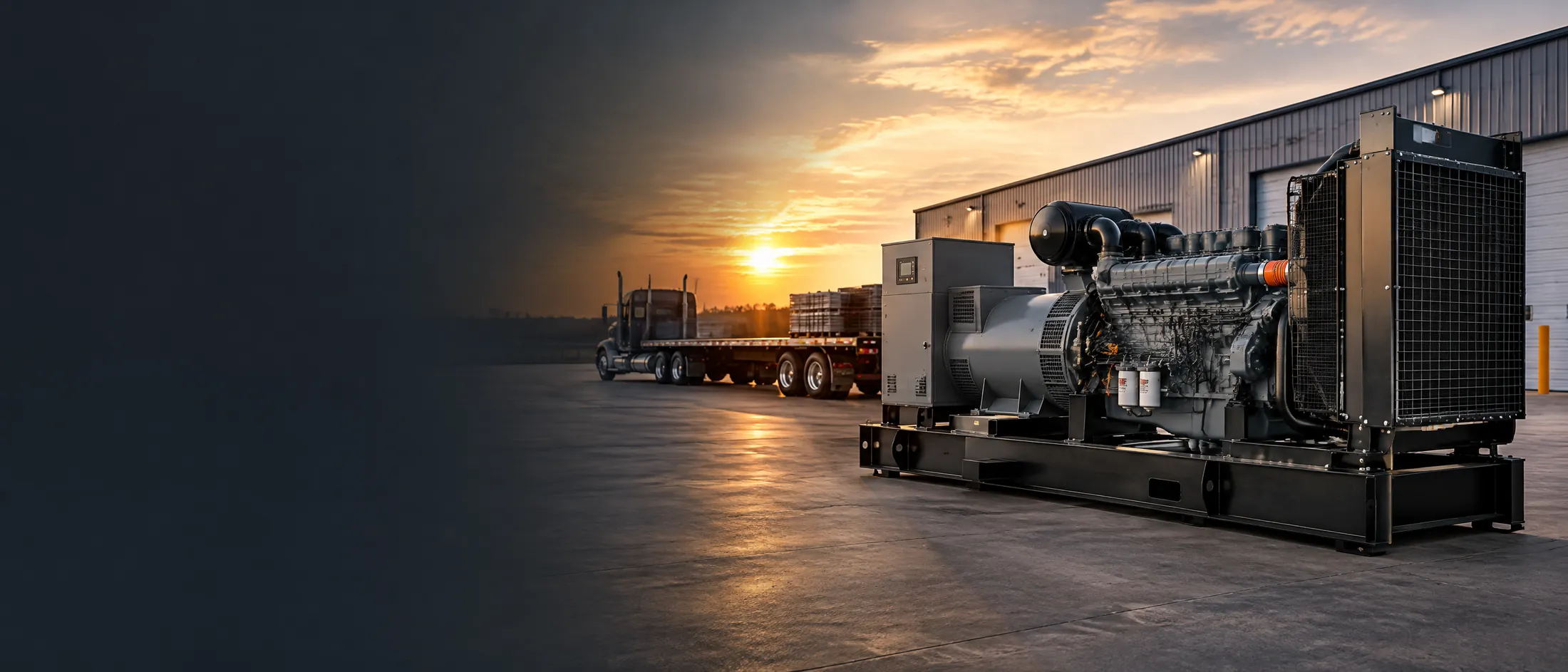
Do you buy open-skid generator sets?
We review qualifying open-skid generator sets for potential purchase. Decisive specs are manufacturer/model/serial, kW or kVA with standby or prime rating, fuel type, hours, engine and alternator models, controls and breaker details, enclosure/tank/skid condition, test history (run/load-bank), quantity, and site access. Provide clear evidence for these items to start a review.
What sellers should know
Open-skid generator sets are factory- or field-mounted gensets on an exposed structural base (skid) with separate fuel tanks or integrated tanks but no full weather enclosure. We evaluate surplus open-skid units used in industrial, rental, construction, and standby applications.
We do not guarantee purchase, price, response time, testing, certification, or removal. Our review is based on the information and evidence you supply. Typical uses for buyers include refurbishment for rental fleets, parts reclamation, or reinstallation in industrial facilities where weather protection or sound attenuation is handled separately.
Specifications that support a purchase review
When you submit an open-skid unit for review, include the following technical specifics. These are the primary factors our acquisition team uses to decide whether to advance to valuation.
Condition and documentation
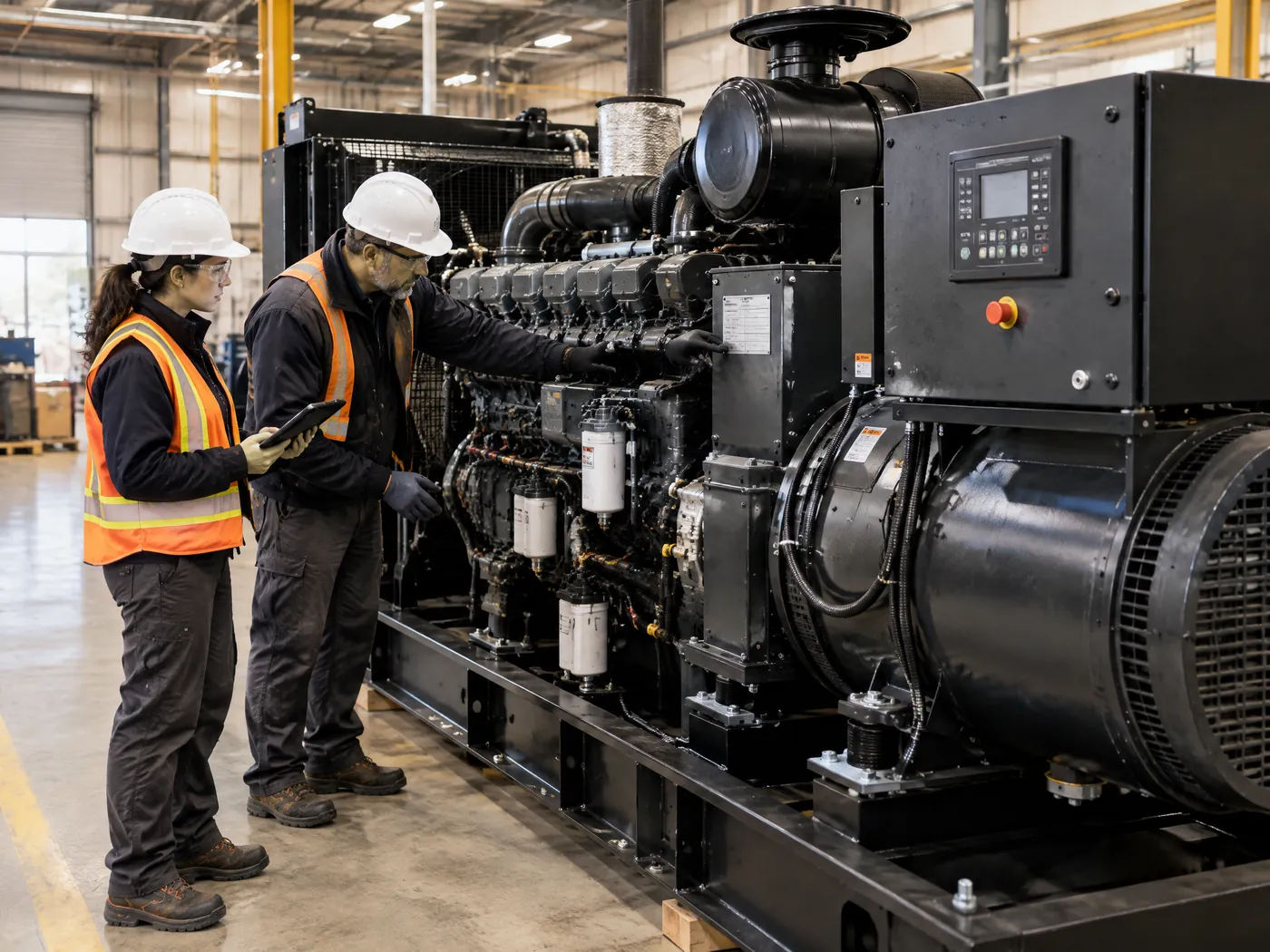
Condition categories we use in review: operational and load-tested with documentation; runs but lacks load test or has known faults; non-running but complete for parts or rebuild; heavily corroded or severely damaged (salvage). Evidence matters: run-test video or load-bank report, oil analysis, service records, and clear photos of corrosion or leak points improve confidence in condition grades.
What affects marketability?
Emissions tier and regulatory fit
Units with later engine tiers or documented emissions controls are easier to place in regulated locations. Older non-compliant engines reduce the pool of buyers.
Controls and alternator brand
Recognized alternator and controller brands increase resale and refurbishment demand. Obscure or proprietary components can lower interest.
Quantity and repeatable supply
Single units and whole-fleet liquidations are evaluated differently. Multiple identical units attract different buyers and can command better recovery when parts interchangeability exists.
Site access and timing
Crane, forklift, loading dock availability, and working hours at the site materially affect removal feasibility and cost, which buyers consider when estimating net recovery.
Photo and inventory checklist
Manufacturer nameplate showing model and serial
Engine nameplate and hour meter close-up
Alternator nameplate and terminal box
Control panel face with settings and controller model
Circuit breaker and transfer switch tags
Overall skid/fuel tank and lifting points (wide shot)
Any corrosion, fuel/oil leaks, or structural damage
Site access shots showing approaches, clearance, and staging area
Pickup and logistics planning
To begin a review include unit location (address or GPS), unit dimensions and gross weight, available lifting points, nearest aisle or road width, number of units, and any site constraints (permits, security hold times, weekend access). We will request additional documentation as needed. We do not undertake removal, transport, or storage on the basis of this review and do not guarantee any timeline or service offer.
Safety and scope boundary
Provide evidence that the unit has been made safe for inspection (fuel isolation, battery disconnected, and lockout/tagout status when applicable). Sellers should comply with local environmental and hazardous-material regulations for fuel, oil, and batteries. We will not accept liability for on-site work or certify a unit’s safety; safety assessments are the responsibility of the owner and any contracted removal teams.
Frequently asked questions
What documentation speeds up a review?
Clear photos of nameplates, a run-test video, recent load-bank reports, engine hours, maintenance records, and title or ownership documentation are the fastest way to get a meaningful review.
Do you buy non-running or damaged open-skid sets?
We review non-running or damaged sets if they have salvageable engines, alternators, controls, nameplates, or are available in quantity. Provide photos and list known faults and missing components.
Will you provide a price or removal service?
We evaluate and may express buyer interest based on supplied evidence, but we do not guarantee an offer, a specific price, or removal/logistics services as part of the review.
How do I list multiple identical units?
Provide a summary sheet with unit serials, hours, condition notes, and photos that show representative examples plus per-unit variations. Buyers prefer clear batch listings when evaluating fleets.