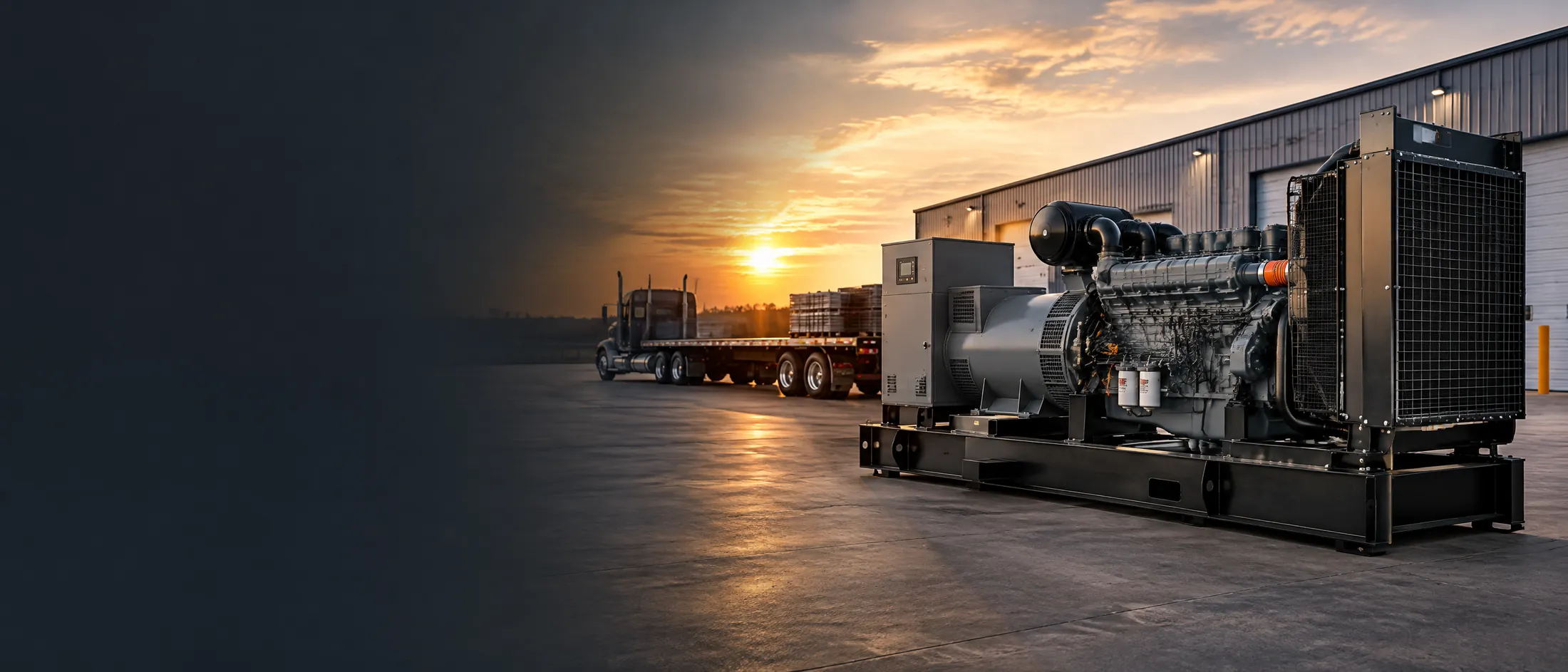
Do you buy commercial standby generator systems?
We review qualifying commercial standby generator systems for potential purchase. The most decisive specifications are manufacturer, model and serial, rated power (kW/kVA and standby vs prime), voltage/phase/frequency, fuel type, engine and alternator details, run hours, year, control system, enclosure and tank type, breaker size, test history, location, and access.
What sellers should know
We evaluate commercial standby sets used in hospitals, data centers, office campuses, retail sites, and industrial facilities. Review is equipment-specific — we look for complete, documented systems with clear ownership and accessible site conditions.
Typical sizes we review range from 50 kW up to 3,000 kW. Acceptable fuels include diesel, natural gas, and propane; dual-fuel is considered case-by-case. Both pad-mounted and trailer-mounted units are reviewed when documentation and access are adequate.
Specifications that support a purchase review
Key specifications and documentation that determine whether a standby generator qualifies for review:
Condition and documentation
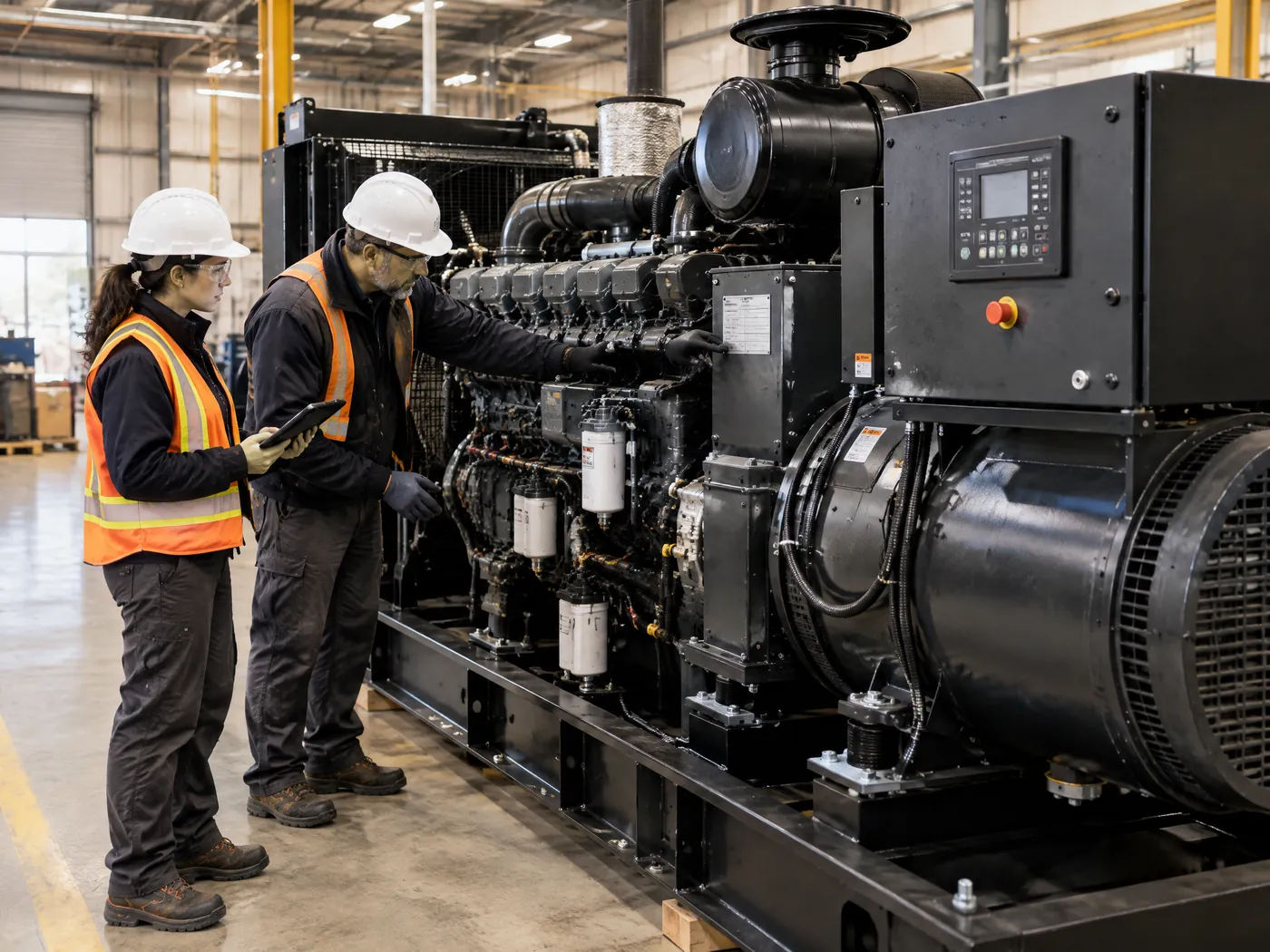
We consider units in a range of conditions. Preferred systems have a clean hour meter readout, recent run or load-bank test documentation, visible engine and alternator serial plates, and service records showing scheduled maintenance. We will review units with cosmetic wear or parts missing, but decision depends on available replacement components, documented repair history, and whether the alternator and engine require major work. Evidence that supports a purchase review includes clear photos of nameplates, recent run-test video or load-bank reports, oil analysis or fuel sample results, maintenance logs, and proof of ownership or lien-free status.
What affects marketability?
Fuel and Emissions Compliance
Local emissions regulations and the fuel type (diesel vs natural gas) affect potential buyers and remediation costs. Units that require emissions retrofits or are subject to local restrictions will have a narrower market.
Age, Hours, and Maintenance History
Younger units with low run hours and consistent maintenance records are more likely to qualify. High-hour engines can still be of interest if major components (turbocharger, injectors, alternator) have been recently overhauled or replaced.
Control Compatibility and Spare Parts
Proprietary or obsolete controls reduce buyer interest. Units with common, supported controls and readily available alternator/engine parts attract a broader market.
Enclosure, Tank, and Site Installation
Sound-attenuated enclosures, integral day tanks, and factory-mounted breakers increase value. Units with removed enclosures or permanent building installations require additional site work and lower resale value.
Photo and inventory checklist
Photos of generator nameplate showing manufacturer, model, serial, kW/kVA and ratings
Close-up of engine nameplate and alternator nameplate
Hour-meter/readout and any digital control display showing codes or hours
Overall shots from multiple angles showing enclosure, skid, and external fuel tank
Photos of the control panel and breaker assembly (labels, wiring routes)
Evidence of recent testing: load bank reports or short video of a run
Site access images showing clearances, removal path, and lifting points
Photos of any corrosion, leaks, missing components, or damage
Pickup and logistics planning
When submitting equipment for review, include exact location, whether the unit is pad-mounted, rooftop, or indoor, available crane or forklift access, approximate dimensions and weight, how many units are involved, and whether the unit has been decommissioned or is live. These factors influence feasibility for a buyer and the complexity of removal and transport. We do not coordinate removal, but clear logistics information speeds evaluation and clarifies potential buyer interest.
Safety and scope boundary
Provide documentation that the unit has been isolated from utility and fuel sources and note any hazardous materials on-site. Only qualified personnel should perform disconnection, lifting, or internal inspections. Do not send photos that require accessing confined spaces or energized systems; instead provide records and exterior images. Safety compliance and site access restrictions are considered in the review.
Frequently asked questions
What paperwork helps get a faster review?
Provide photos of nameplates, a copy of maintenance logs, run hours, load-bank reports if available, ownership or asset inventory documents, and the exact site address with access notes. The clearer the documentation, the quicker the initial review.
Do you require a recent run test?
A recent run or load-bank report is highly valuable but not always required. If no test exists, detailed photos of the control panel, engine, and alternator plus maintenance history help determine interest.
Which manufacturers are most marketable?
Common commercial manufacturers such as Cummins, Caterpillar, Kohler, MTU, and Generac/Peerless are typically easier to place, especially when paired with Stamford, Leroy-Somer, or Marathon alternators and supported controls.
Will you buy units with high hours or damage?
High-hour or cosmetically damaged units can be considered if critical components are intact, serial plates are readable, and there is a path to repair or part-out value. Each unit is evaluated on the documented condition and salvageability.