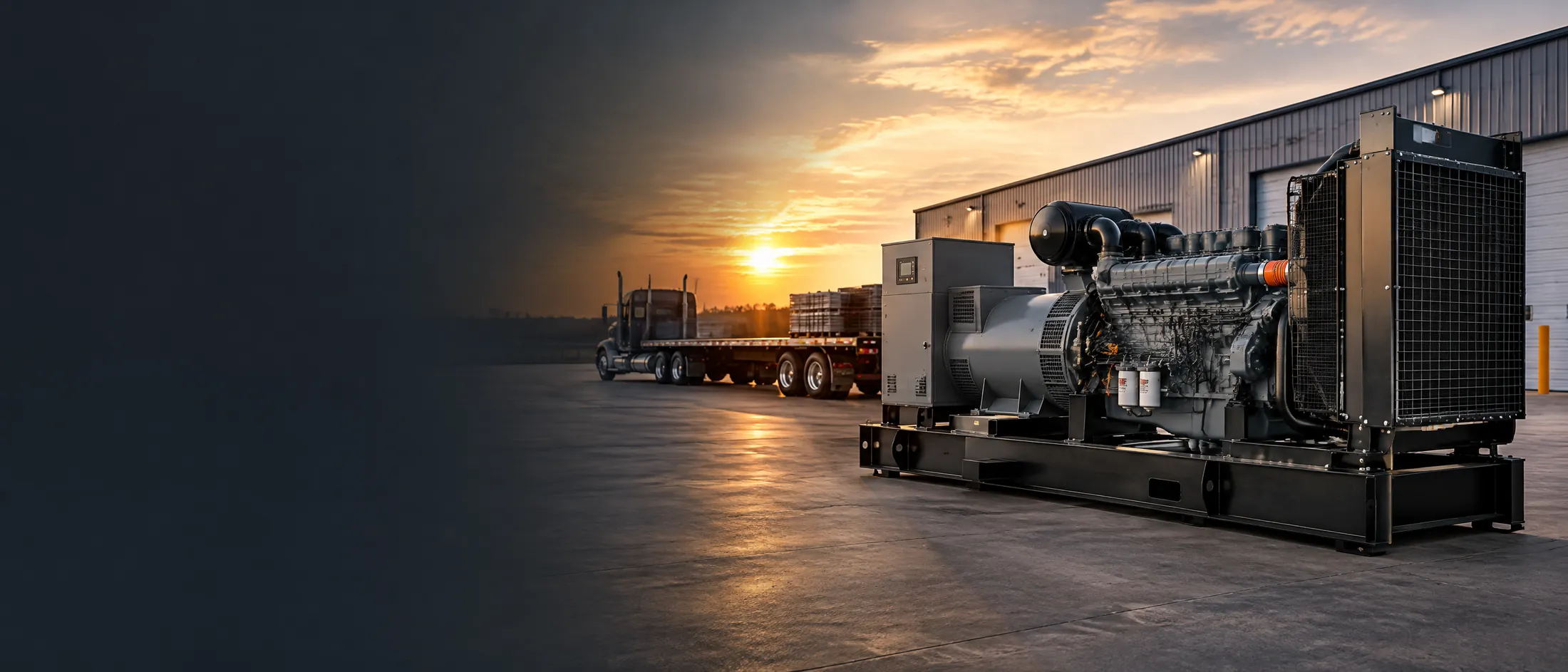
Do you buy mobile (towable and skid) generators, and what information do you need for a review?
We review qualifying towable and skid-mounted mobile generators. The decisive specifications are manufacturer, model and serial number; rated kW/kVA and standby/prime rating; voltage, phase and frequency; fuel type and tank capacity; engine model and hours; alternator model; controls and breaker specs; enclosure and trailer/skid condition; documented test history; quantity and exact location with access details.
What sellers should know
This page explains the specific equipment, data, and evidence we use when reviewing towable and skid-mounted mobile generators. It is written for facility managers, electrical contractors, asset managers, and liquidation teams preparing units for possible sale.
We evaluate units across sizes — often 10 kW portable towables up to 1,500 kW skid-mounted packages — and prioritize complete, verifiable technical data and condition evidence. We do not guarantee purchase, pricing, testing, or removal; submissions are reviewed on documented facts and visible condition indicators.
Specifications that support a purchase review
Provide these technical and logistical details for each unit. Clear, verifiable entries speed review and improve the chance of a considered response.
Condition and documentation
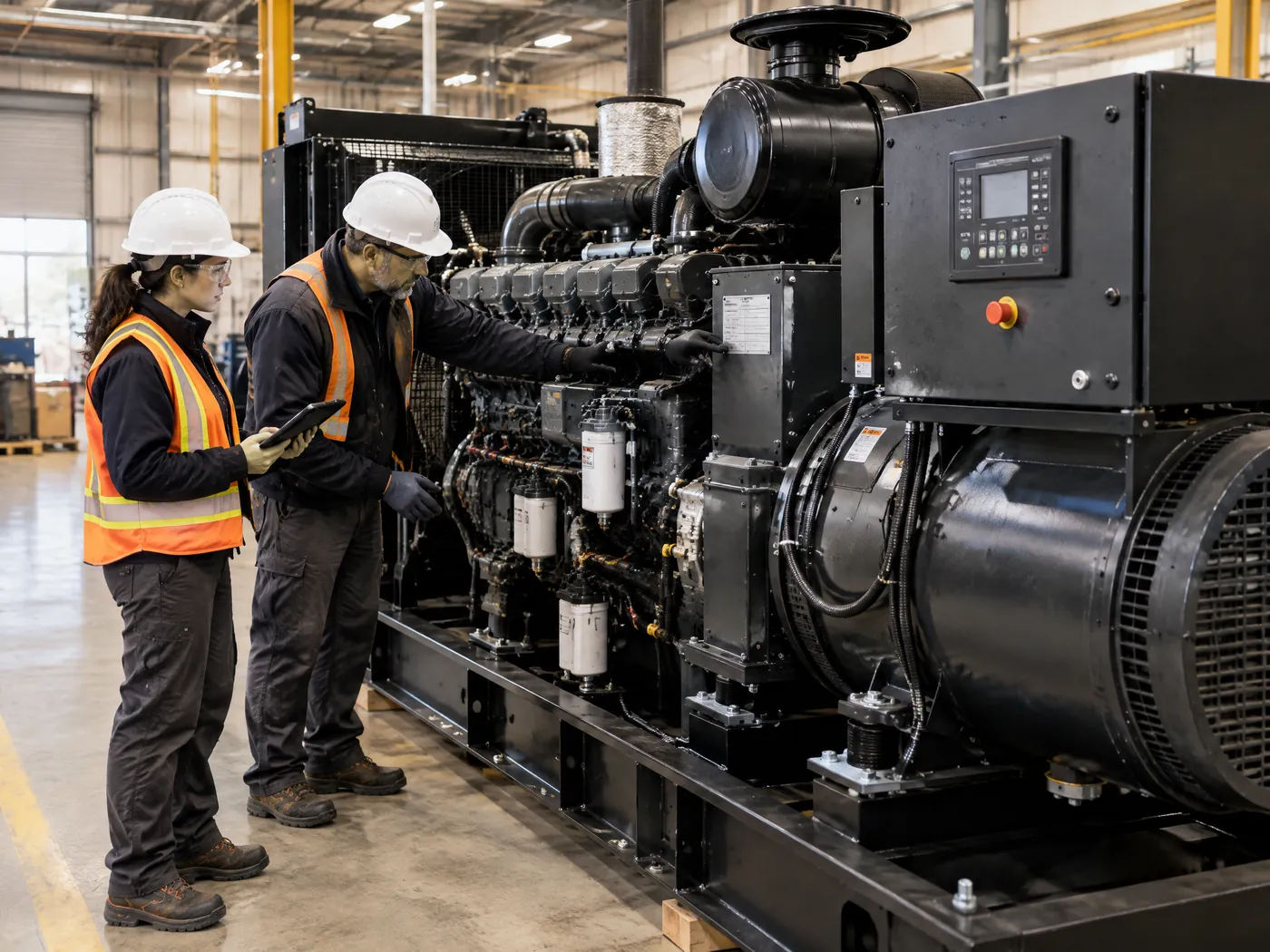
Document condition honestly: operationally tested and load-tested units carry higher interest; units with visible corrosion, fuel leaks, flood exposure, or incomplete systems reduce marketability. Evidence that supports a purchase review includes maintenance logs, load bank test reports, recent oil/fuel/air filter change records, service invoices, serial number photos, and clear images of control panels and engine hours meters. Note whether the unit ran under load recently, whether keys and start batteries are present, and whether the unit has active fuel or bypassed piping.
What affects marketability?
Fuel and emissions
Diesel generators remain widely traded, but emissions stage, Tier level, and recent regulatory changes affect resale in some regions. Provide engine emissions tier if known.
Hours and maintenance
Low-hours units with full service records are more desirable. High-hour units require clearer documentation of recent major work (overhaul, turbo replacement, injector work).
Manufacturer and parts support
Popular engine and alternator brands with good parts networks are easier to remarket. Uncommon OEMs or discontinued models can lower buyer interest.
Configuration and controls
Integrated prime-power packages with modern controllers, factory ATS, and parallel capability are more marketable than bare engines on skids.
Photo and inventory checklist
Photos of nameplate/serial plate (clear close-up)
Overall unit exterior from multiple angles
Control panel close-up showing controller model and meter readings
Engine compartment: engine model plate and visible components
Alternator nameplate and terminal box
Hour meter/engine tachometer showing recorded hours
Fuel tank(s) and fuel fill / level indicators
Trailer/tow gear or skid mounting points (hitches, axles, lift eyes) with dimensions if available, and VIN if towable registered trailer is attached, if applicable (do not provide titles here). Note: do not remove or obscure serial plates just for photos.)
Pickup and logistics planning
Include exact street address (or facility name), GPS coordinates, typical access (gate hours, clearance height, road surface), and any lift or removal constraints (narrow alley, weight-limited bridge, onsite crane availability). Provide unit weight and footprint (length, width, height) when known. We will review submissions using this information; however, listing these logistics does not commit us to offers, site visits, or removal assistance.
Safety and scope boundary
Confirm whether the unit has been decommissioned and whether fuel lines have been isolated; disclose known fuel or hazardous-material leaks. Any shipment or removal must be performed by qualified technicians and transporters compliant with local regulations; do not attempt hazardous operations without certified personnel. We rely on seller disclosures and documentation; absence of safety information may slow or prevent review.
Frequently asked questions
What documentation speeds a purchase review?
Maintenance records, load bank test reports, builder or OEM manuals, service invoices showing recent major work, and clear photos of serial/nameplates. The more verifiable the documentation (dates, service provider, serials), the faster a meaningful review.
Do you require a load bank test?
Load bank test reports are strong evidence of operational condition and improve buyer confidence. We will review units with recent, documented tests more favorably, but acceptance is based on the entire submission package.
How does engine hours affect value?
Engine hours are a key indicator of remaining service life; low-hour, well-maintained units are more marketable. Provide hour meter photos and any service history that explains atypical hour readings.
Do you buy damaged or flood-exposed units?
We review all submissions, but flood damage, saltwater exposure, or evidence of internal water intrusion reduces buyer interest and requires explicit disclosure and photos.