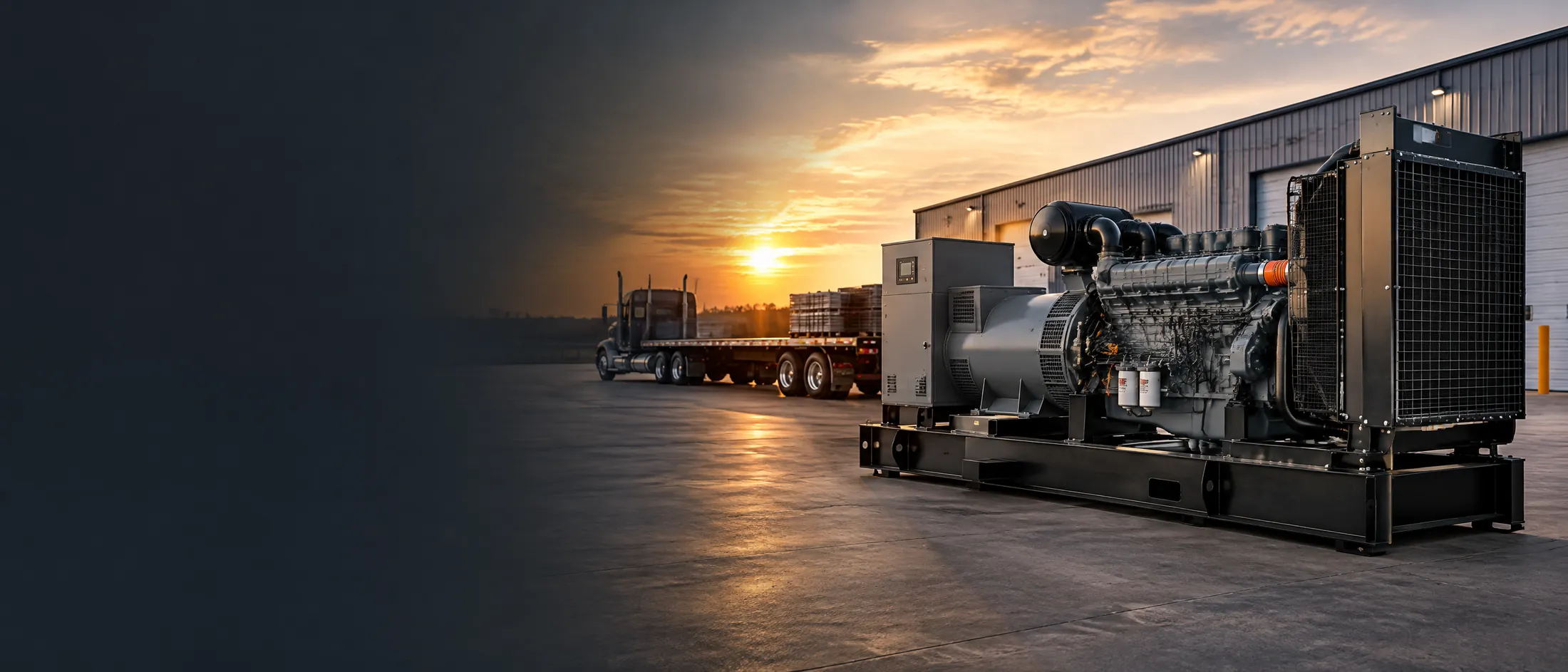
What is a used commercial generator worth?
A used commercial generator’s value depends on its technical specs, condition, and marketability. Buyers review manufacturer, model/serial, kW/kVA rating (standby vs prime), hours, engine and alternator condition, control system, enclosure and tank integrity, and recent load or run tests. Location, access, and quantity also change value; provide clear evidence to get a timely review.
What sellers should know
This guide explains how buyers determine the fair market value and salability of surplus commercial generators.
We list the decisive specifications, the evidence buyers expect, and practical photo and documentation checklists to speed review and pricing decisions.
Specifications that support a purchase review
The most important generator specifications buyers will evaluate. Include exact plate data and any factory options or after-market modifications.
Condition and documentation
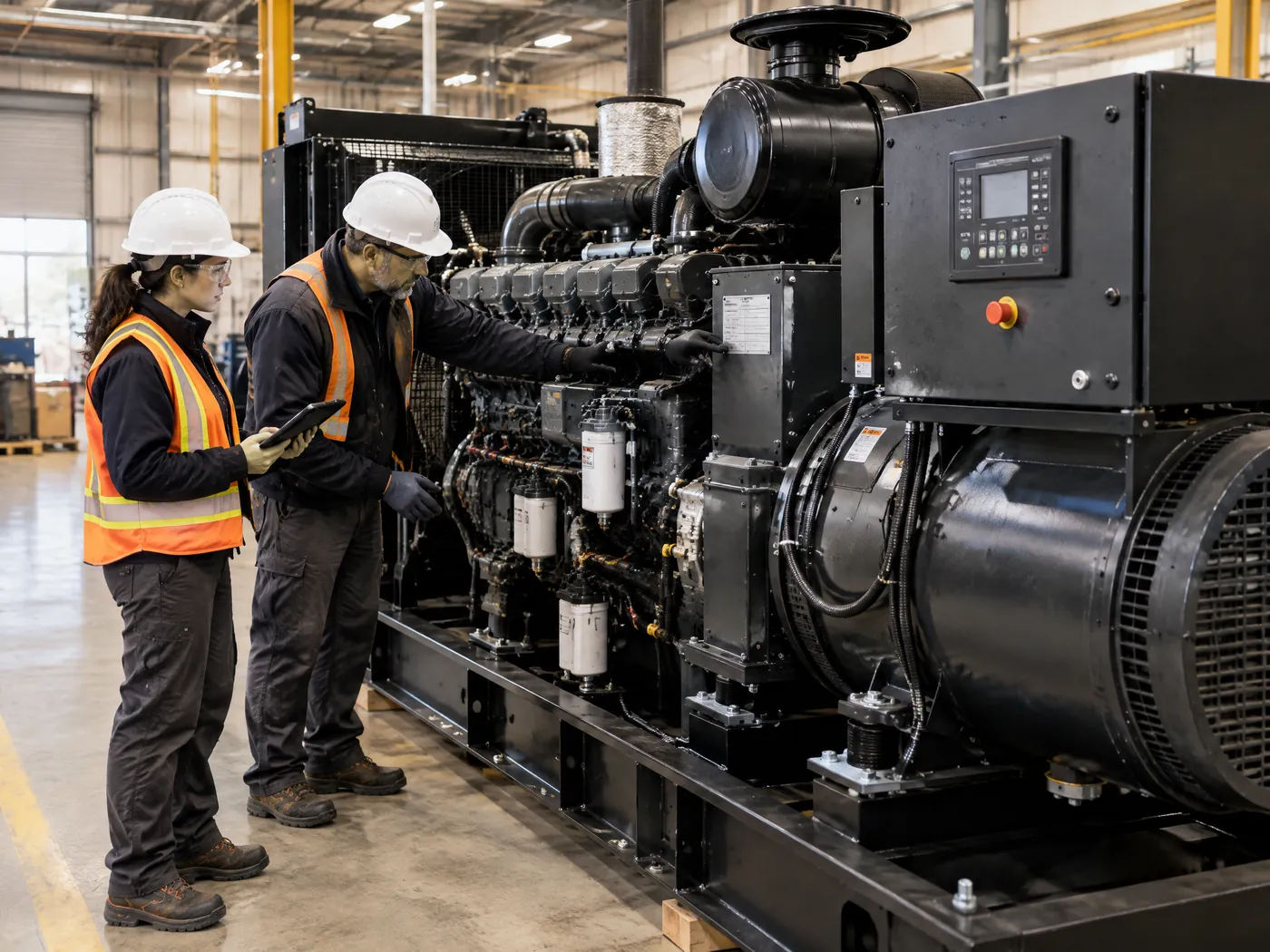
Describe mechanical condition and any known faults honestly. Supply hour meter photos, recent run/load-test reports, oil and coolant leak notes, and evidence of preventive maintenance (service records, oil analysis). Note cosmetic and structural issues such as enclosure dents, rust, missing lift points, or damaged mounts; these affect removal complexity and buyer willingness to pay.
What affects marketability?
Operating hours and service history
Low hours with complete service records increase value. Buyers view hours like mileage; consistent preventive maintenance is favorable evidence.
Test history and certifications
Recent no-load runs, load bank tests, and functional transfer-switch reports reduce perceived risk. Provide dated test reports and operator signatures when available.
Local demand and emissions rules
Regional demand (construction, hospitals, data centers) and local emissions or permitting requirements affect buyer pools and adjustments.
Parts and serviceability
Common engine and alternator models with available parts sell easier. Rare or out-of-support units require larger discounts.
Photo and inventory checklist
Overall genset with clear view of enclosure and skid
Nameplate showing manufacturer, model, serial, kW/kVA, voltage, frequency
Engine make/model plate and hour meter close-up
Alternator nameplate and connection points
Control panel/PLC and display showing status/screens
Fuel tank(s) and fill/sensor locations
Exhaust and after-treatment components (if present)
Any damage: dents, rust, missing panels, or leaks (close-ups and context shots)
Pickup and logistics planning
Include exact location (address, site type), access constraints (e.g., narrow gate, crane available, indoor/offsite), unit dimensions and gross weight, and quantity (single unit or fleet). Buyers use these details to estimate removal cost. We review qualifying equipment based on the facts provided; listing these logistics up front reduces follow-up, but does not guarantee purchase, price, or timing.
Safety and scope boundary
Do not attempt to disconnect or move a generator without qualified personnel. Provide information about fuel status (tank full, drained, or unknown) and any hazardous material notices. Buyers require safe access and compliance documentation before inspection; safety noncompliance can materially reduce interest or require remediation.
Frequently asked questions
Which documents most influence a buyer’s offer?
Service records (oil changes, major repairs), recent load-test reports, original nameplate photos, and proof of ownership are the most influential documents. Clear, dated records lower perceived risk and shorten buyer due diligence.
How does a load bank test affect value?
A recent, witnessed load bank test demonstrating sustained output at designated kW/kVA is strong evidence of functionality and raises marketability. Absence of a test usually results in a larger buyer discount to cover inspection risk.
Do cosmetic issues impact price?
Cosmetic damage matters when it indicates corrosion or water intrusion. Superficial paint or dents have less impact than rusted enclosures, missing seals, or internal water damage that could affect engines, controls, or alternators.
What if units are still in operation at my site?
Note operating status, scheduled outage windows for inspection, and any required permits for decommissioning. Buyers review operating units but will rely heavily on recent run and service records to assess value.