What photos and documentation should I provide to get an accurate quote on a surplus generator?
Take clear wide shots and close-ups that show the unit’s nameplates, control panel, hour meter, engine and alternator IDs, fuel system, enclosure condition, and any damage or modifications. Include a short running-video if safe and permitted, plus basic location, access, dimensions, and maintenance/test records. These items let a reviewer verify model, rating, hours, condition, and removal needs.
What sellers should know
Good photos and basic documents let a buyer verify manufacturer, model, serial numbers, kW/kVA ratings, and operational history without a site visit.
Prioritize nameplates, control panel, hour meter, engine and alternator ID plates, and any visible damage or corrosion. Capture access and lifting points for logistics assessment.
Specifications that support a purchase review
Below are the specific technical data points and photographs buyers use to decide whether to review or bid on a generator. Photograph or record each item when present and readable.
Condition and documentation
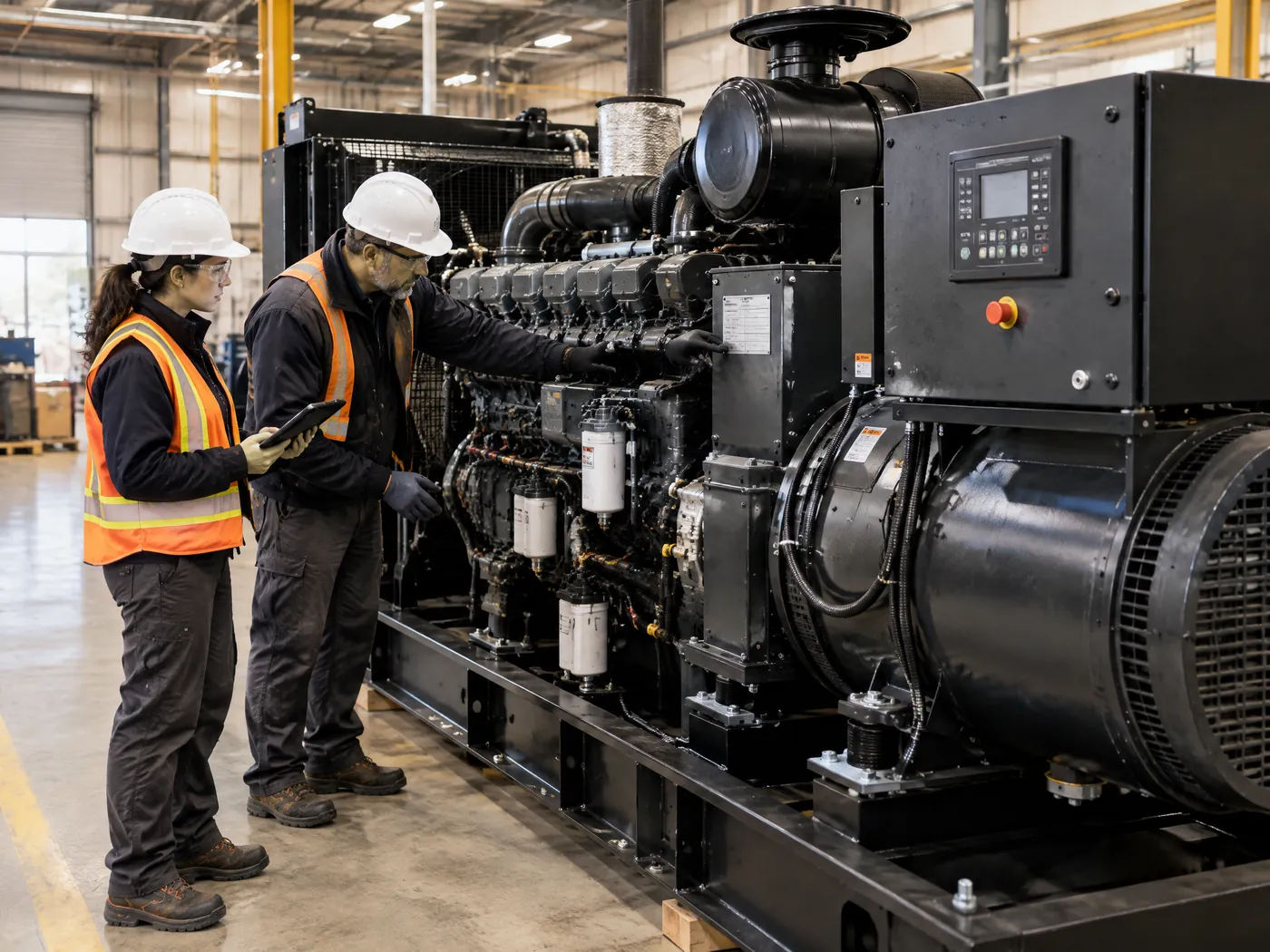
Photographs should honestly show cosmetic and functional condition: rust, dents, oil or coolant leaks, missing panels or covers, corrosion on connections, and enclosure seals. If the unit was run recently, provide a short video of start-up and an audible load run (no diagnostic claims). Maintenance records, load bank reports, and repair invoices materially strengthen a review; absence of records increases the need for inspection.
What affects marketability?
Location & access
Photos of facility exterior, doorways, clearances, lifts, and truck access help buyers estimate removal difficulty and equipment required. Note floor level, stair or crane needs, and any site restrictions.
Quantity & timing
List how many units are available and any deadlines. Bulk lots, matched sets, or simultaneous availability affect buyer interest and logistics planning.
Age, hours, and test history
Year of manufacture plus hour meter readings and any load bank or commissioning reports influence condition assessment and expected market value.
Fuel type and emissions considerations
Diesel sets are common, but local emissions rules or missing fuel tanks can change transport/handling and buyer eligibility.
Photo and inventory checklist
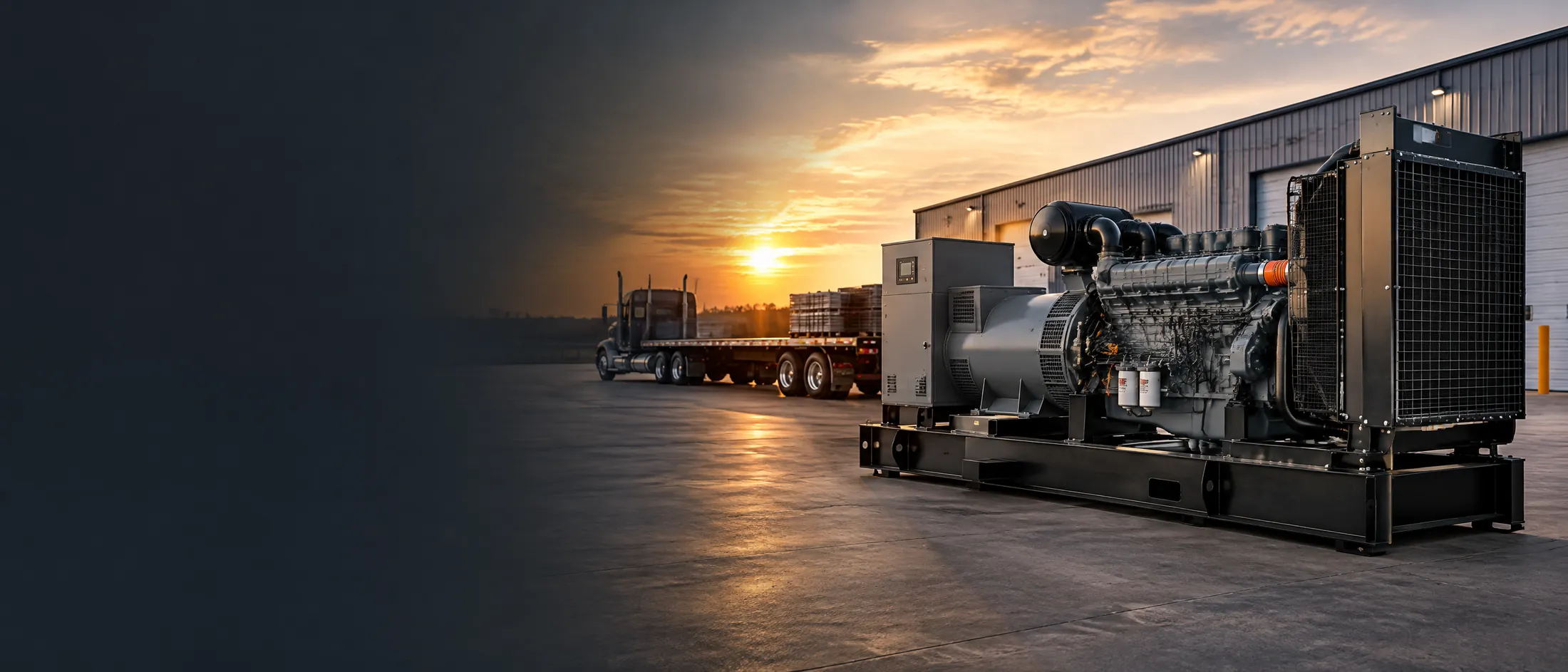
Wide shot showing entire generator with surrounding clearances (both long sides and from ends).
Close-up of the main nameplate showing manufacturer, model, serial, kW/kVA, voltage, phase, and frequency.
Control panel and all controls: controller face, breaker, meters, and wiring terminals.
Hour meter or digital readout showing total hours.
Engine nameplate and serial number; include visible engine accessories (turbo, coolant lines).
Alternator/rotor nameplate and AVR or governor mounting.
Fuel tank, fill cap, level gauge, and any integrated day tank details.
Photos of enclosure condition: doors, latches, vents, rain seals, and sound attenuation material if present (interior shot if accessible).
Pickup and logistics planning
Include unit dimensions (length, width, height), estimated weight, lifting points and skid/mounting arrangement, and confirmation of whether the unit is bolted to a concrete pad or skid-mounted. Provide a schematic or simple measured drawing if possible. Buyers use these facts to determine crane, fork, or flatbed requirements and to estimate removal costs; unclear logistics often require an on-site inspection before a formal offer.
Safety and scope boundary
Do not remove guards, open live electrical panels, or attempt repairs for the purpose of photographing. Avoid confined-space entry and energized testing unless conducted by qualified personnel following your site safety procedures. Use appropriate PPE when taking close-up photos and ensure lockout/tagout and site access permissions are in place before entering equipment areas.
Frequently asked questions
Do you need a running test or is a static photo set enough?
Static photos and nameplates let a reviewer screen and value the unit; a short safe video of a start and idle/load run meaningfully improves confidence in condition and can reduce the need for immediate on-site inspection.
What if the nameplate is missing or unreadable?
Provide any stamped numbers, engine and alternator plates, photos of serials, and maintenance records. If plates are unreadable, multiple close-ups of any stamped castings or component tags help buyers research model and rating information.
How many photos should I send?
Send 12–20 clear photos: wide shots, both ends, control panel, nameplates, hour meter, engine, alternator, fuel tank, enclosure details, and access routes. More photos of damage or unusual features are helpful.
Which documents help the most?
Maintenance logs, last load bank or acceptance test report, invoices for major repairs, and original spec sheets or commissioning reports are the most useful supporting documents for a purchase review.