How should I organize a commercial generator inventory spreadsheet so prospective buyers can review qualifying equipment quickly?
Build a row-per-unit spreadsheet with nameplate and condition fields first: manufacturer, model, serial, kW/kVA, standby/prime rating, voltage/phase/frequency, fuel type, year, hours, and a clear photo link. Add engine/alternator/controls, recent test history or service records, exact location and access notes, quantity, dimensions, and ownership proof. Those items let a buyer decide whether to request a site inspection.
What sellers should know
This guide shows which generator data buyers use to screen inventory and what documentation supports a purchase review. Use a single useful row per set of identical units, and attach photos and documents rather than trying to cram everything into notes.
Prioritize nameplate facts and condition: manufacturer, model, serial number, rated output (kW/kVA) with standby and prime ratings when available, and voltage/phase/frequency. Buyers will treat missing or inconsistent nameplate data as a high-friction item that delays review or triggers site inspection requests.</li>" (Note: include the closing tag here only if needed by your CMS.)
Specifications that support a purchase review
Include these fields for each physical generator or identical group. Keep entries standardized (drop-downs or controlled vocabulary) to make sorting and filtering practical.
Condition and documentation
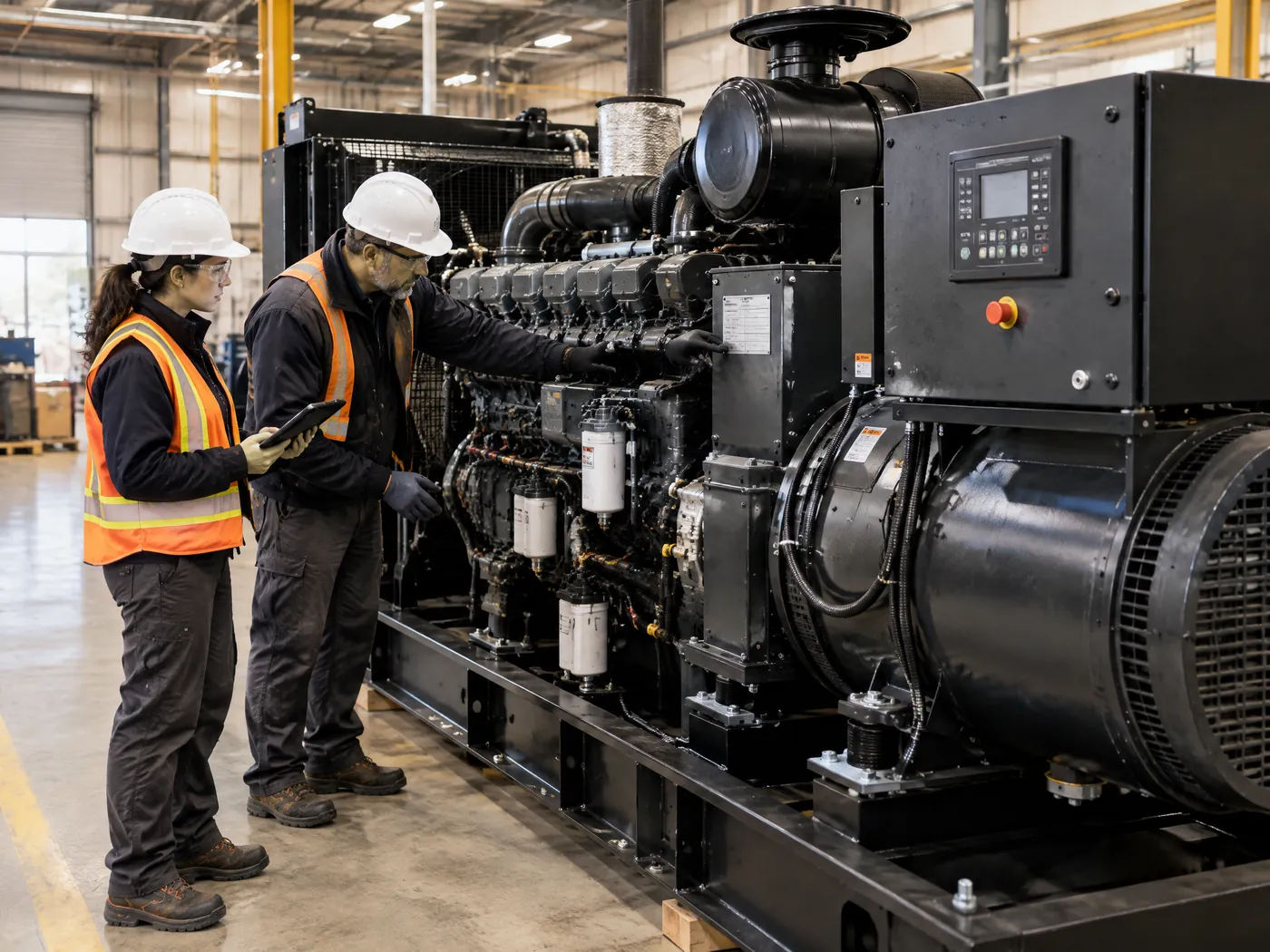
Standardize condition notes: New (uninstalled), Like-new (low hours, maintained), Serviceable (runs, needs maintenance), Repair/Needs work (won’t start, parts missing), or Parts only. Evidence that supports a purchase review includes clear nameplate photos, date-stamped hour-meter photos, recent load-bank or startup test reports, service records showing oil/coolant and major overhauls, and proof of ownership or decommission paperwork.
What affects marketability?
Brand and Model Demand
Certain manufacturers and alternator/engine pairings have higher liquidity. Buyers list preferred brands and will prioritize inventory that matches those preferences.
Age and Run Time
Recent hours with proper maintenance lower perceived risk. Units with thousands of hours still sell if supported by records and recent testing.
Documentation and Test History
A current load-bank report, recent start/run logs, and maintenance invoices materially speed buyer decisions. Absent documentation, buyers often require onsite verification.
Location and Access
Distance to major shipping hubs, site access for cranes or forklifts, and whether the unit is indoors or on a pad affect interest and handling cost assumptions.
Photo and inventory checklist
Nameplate close-up (manufacturer/model/serial/rating)
Control panel / control model and firmware label
Hour meter / runtime reading with date
Engine serial/nameplate and alternator nameplate
Full-unit exterior showing enclosure condition
Fuel tank, piping and fill connections
Breaker/transfer switch labeling
Mounting/skid, lifting points, and skid dimensions listed nearby (if possible)
Generator inventory CSV
Use one row per generator or identical group, then match each row to the photo filename.
Pickup and logistics planning
Record exact location (facility name, street address, GPS), indoor/outdoor placement, elevation changes, access roads, and any restrictions (hour limits, security escorts). Include unit dimensions and weight, lifting point details if known, and whether fuel must be pumped out before removal. Buyers and logistics teams use those facts to estimate crane size, flatbed or lowboy needs, permitting, and timeline. We do not arrange removal; provide these logistics details so responders can judge feasibility.
Safety and scope boundary
Note any known hazards—fuel leaks, asbestos in older enclosures, or live electrical connections—without providing remediation steps. Indicate if site requires certified electricians, confined-space entry, hot work permits, or other credentials for safe access. Buyers will factor mitigation into their interest and scheduling.
Frequently asked questions
What single photo will speed a buyer’s decision most?
A clear, close-up photo of the nameplate showing manufacturer, model, serial, kW/kVA, and voltage. If the nameplate is missing, buyers need corroborating photos of engine and alternator plates and service records.
How should I list identical gensets?
Use one spreadsheet row for groups of identical units at the same location, and add a quantity field plus a column for serial number ranges or an attached spreadsheet of individual serials.
Which documents support moving from inquiry to site inspection?
Recent load-bank or startup reports, maintenance logs for the last major service, and proof of title/decommission paperwork reduce buyer friction and justify scheduling a site visit.
Do buyers need fuel removal confirmation?
Yes—note current fuel level and contamination concerns. Many buyers assume fuel must be removed for transport unless otherwise stated.