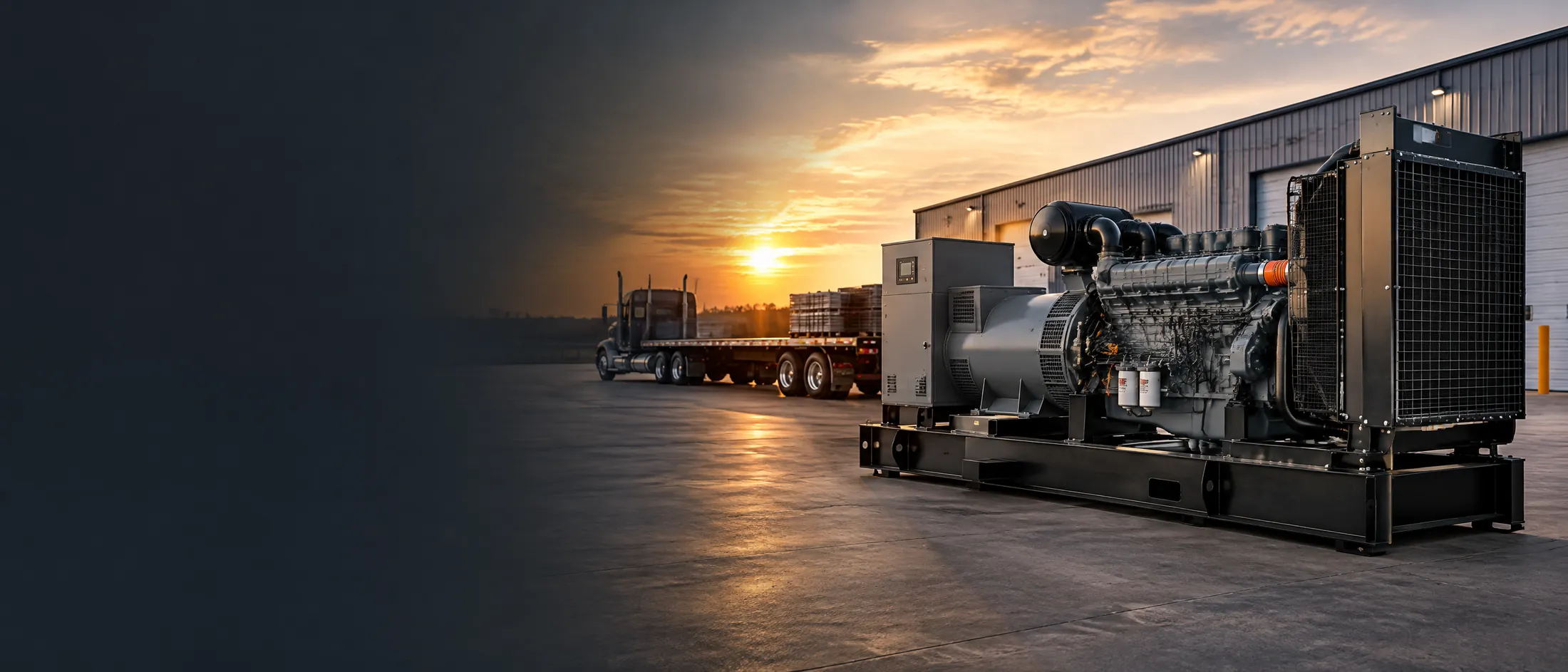
Should I sell my commercial generator directly to a buyer or put it up for auction?
Direct sale is usually faster and gives sellers more control when equipment is well-documented, accessible, and in good running condition; auction can maximize price when demand is strong, units are standard models, or quantities are high but you can tolerate timing uncertainty. Decide based on condition, documentation, location, quantity, and how quickly you must clear the asset.
What sellers should know
This page compares two common disposition routes for commercial generators—direct sale to a buyer (dealers, resellers, end users) and public or private auction—so owners and liquidation teams can pick the option that best fits asset condition, timeline, and risk tolerance.
We review qualifying equipment but do not guarantee purchase, pricing, response time, testing, certification, or removal. The most decisive items for a purchase review are the generator nameplate and serials, kW/kVA rating and load history (hours), fuel type and system, running/test history, and site access or removal constraints.
Specifications that support a purchase review
Key specifications and documentation buyers or auctioneers want to see. Clear, consistent data speeds evaluation and influences whether a direct offer is practical or an auction is preferable.
Condition and documentation
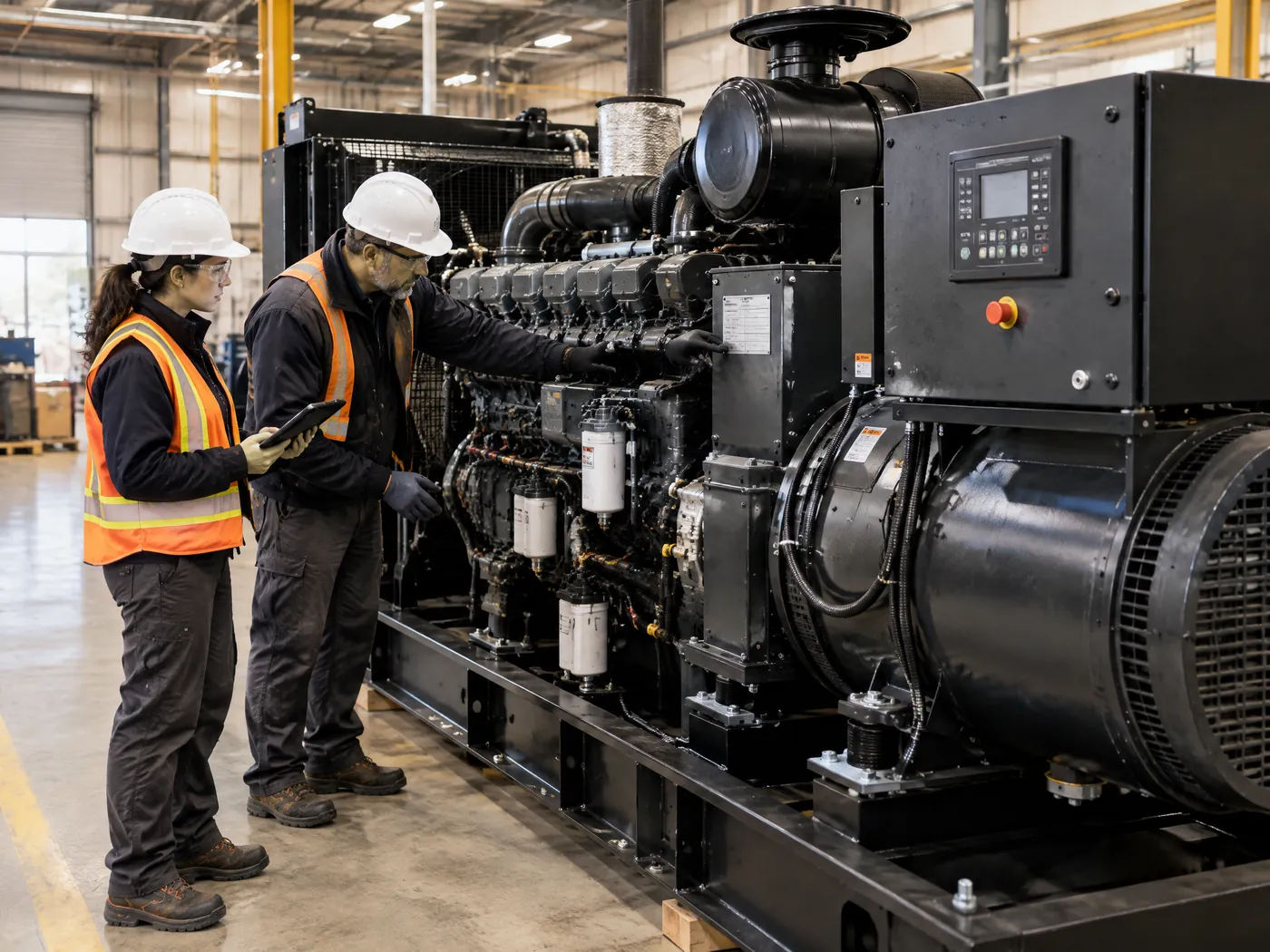
Classify condition honestly: 'Running, tested' (run and load-bank report available), 'Running, untested' (runs but no recent load test), 'Non-running' (does not start or sustain load), or 'Salvage/parts only'. Buyers prefer complete documentation—service logs, load-bank reports, filter change dates, and photographs of nameplates and control panels. Absence of documentation often shifts a seller toward auction where buyers assume higher risk.
What affects marketability?
Condition and Test History
Well-maintained, recently load-tested units attract direct buyers. Units with unknown status or that require repairs often perform better in an auction where buyers will bid based on inspection.
Model Commonality and Parts Support
Common manufacturers and alternator/engine pairings have broader resale markets. Rare or heavily customized sets may bring more interest at auction among specialty buyers.
Fuel Type and Emissions
Diesel generators are widely traded, but local emissions rules or SCR/aftertreatment components can affect buyer appeal and regulatory clearance for reuse.
Quantity and Timing
Single units in good condition suit direct sale. Large lots or whole-fleet liquidations often realize higher aggregate value via auction where multiple buyers compete.
Photo and inventory checklist
Overall exterior shots from multiple angles (show orientation and surrounding obstructions)
Close-up of the main nameplate(s) showing manufacturer, model, and serial numbers
Control panel and hour meter/engine hours display
Engine serial plate and alternator nameplate
Fuel tank, fill/return connections, and any visible leaks
Exhaust manifold, muffler, and enclosure interior (if accessible)
Breaker/ATS and wiring terminations
Base skid, lifting points, and dimensions/approximate weight markings
Pickup and logistics planning
Provide exact location (address and coordinates), unit dimensions and weight, access constraints (narrow gates, overhead lines), hours for pickup, and whether fuel must be drained prior to removal. Buyers or auctioneers use this information to estimate crane/truck requirements and transportation costs. We evaluate such evidence to determine if a practical direct purchase is feasible versus recommending an auction where buyers account for higher removal risk. Note: we do not guarantee offers or removal services.
Safety and scope boundary
Treat safety and environmental compliance as part of disposition planning. Sellers should engage licensed rigging and fuel-handling professionals for draining tanks and preparing units for transport. Confirm local requirements for hazardous materials, fuel disposal, and permits before listing. We do not provide operational or safety instructions; consult qualified contractors and authorities for site-specific procedures.
Frequently asked questions
When is a direct sale better than an auction?
Direct sale is preferable when the generator is accurately documented, accessible, runs or has a recent load-bank report, and you need a faster, controlled transaction. Buyers will pay more for clarity and reduced removal uncertainty.
When should I choose auction?
Auction is often better when equipment condition is uncertain, large quantities are being liquidated, the model is common and attracts many bidders, or you want the market to set the final price despite timing variability.
What documents support a faster purchase review?
Photos of nameplates, control panels, engine/alternator serials, maintenance records, load-test or run reports, site access details, and title/ownership documents accelerate buyer evaluation.
How long does a review take?
Review time varies with documentation quality and site access. Clear nameplate photos and existing run or test reports can reduce follow-up. Incomplete information may require inspection or additional questions, and no response time is guaranteed.