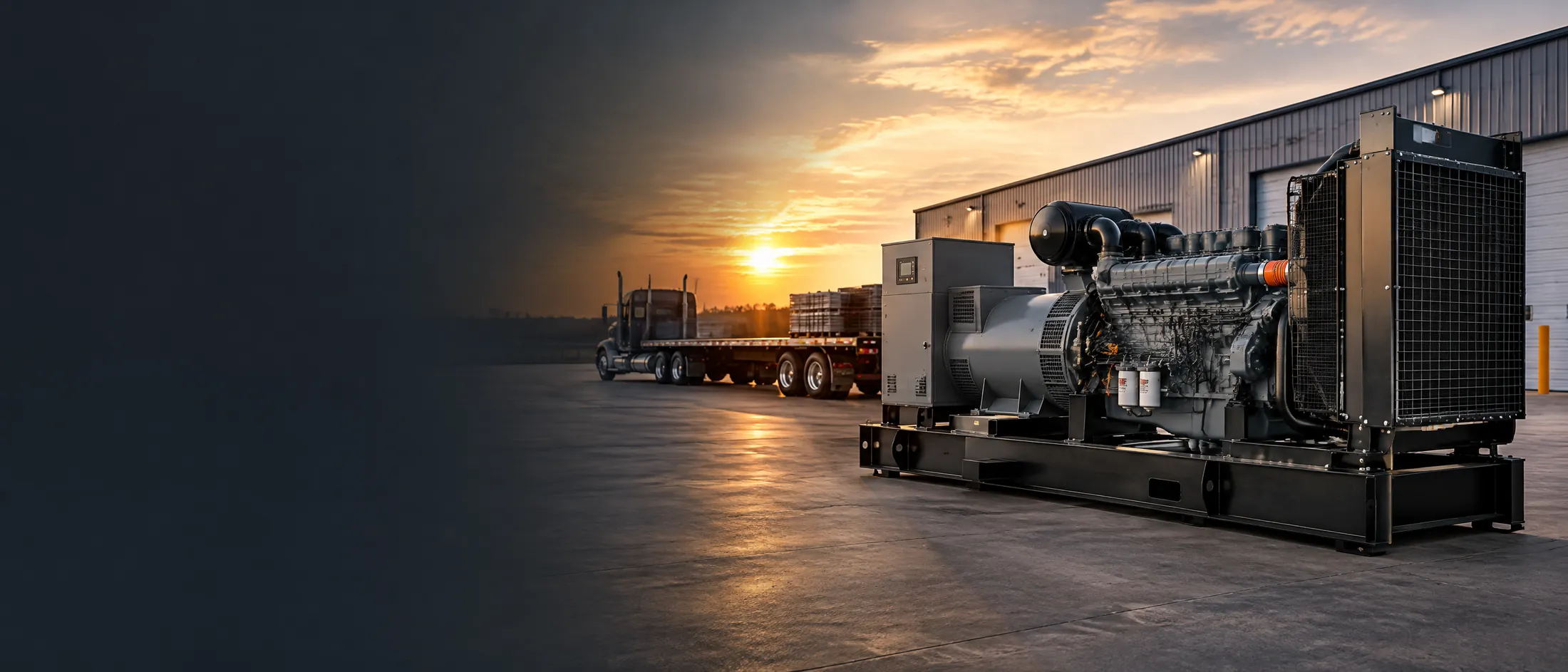
What's the quickest way to prepare a commercial generator for carrier pickup and safe freight handling?
Gather accurate specs, document condition and test history, take clear photos, secure loose parts, ensure removal access and certified disconnection, and supply weight/dimensions and lifting points. Carriers and buyers need evidence—serial/model, kW/kVA, fuel type, enclosure, and a recent run or load-bank record—to evaluate pickup feasibility and shipping method quickly.
What sellers should know
This page explains the practical steps facility managers, contractors, and liquidation teams should take before a carrier arrives or a freight quote is requested. It focuses on the information and staging that most buyers and common carriers require to evaluate pickup feasibility and shipping method.
Preparing generators properly reduces delays, avoids surprise costs, and speeds purchase review. We list the specific technical details buyers use to decide, the photos and records to provide, common logistics constraints, and what evidence supports a purchase review.
Specifications that support a purchase review
Before contact with carriers or buyers, compile the generator’s technical and logistical facts. Provide these details in writing and photos so reviewers can determine transport type (flatbed, lowboy, container) and handling needs.
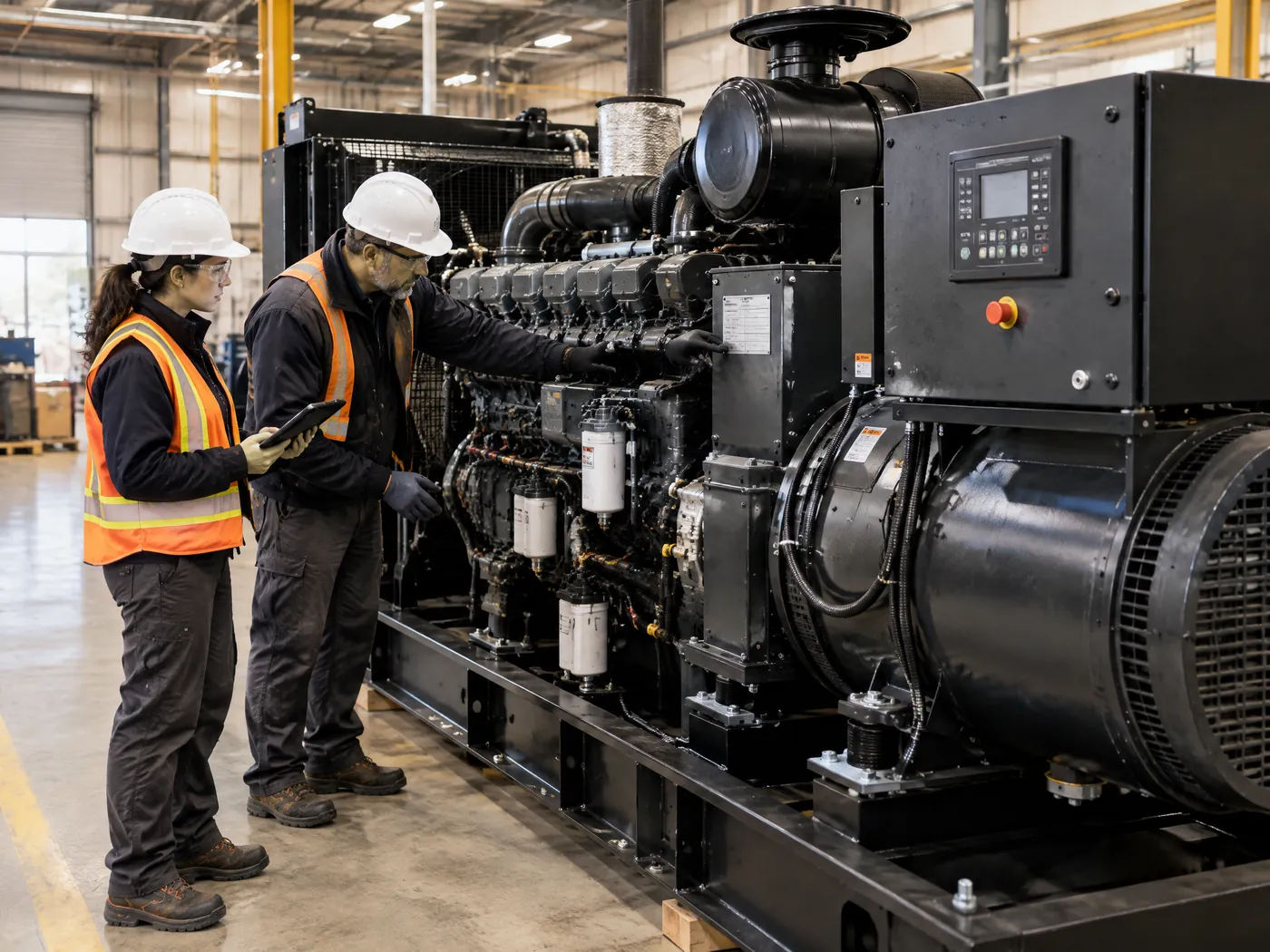
Condition and documentation
Describe visible and functional condition clearly: note corrosion, dents, missing panels, leaks, battery condition, and whether the unit starts or has a recent run/load-bank record. State the last serviced date, any known mechanical faults, and whether parts like control modules, breakers, or alternator spares are included. Attach maintenance logs, oil analysis, and photographs of wear areas and serial plates to support claims.
What affects marketability?
Location and access
Pickup location (city/state), on-site surface (paved, gravel, dirt), gate and headroom clearances, and whether a forklift, crane with certified lift points, or a roll-on trailer is required. Limited access raises transport costs or may disqualify common carriers.
Quantity and timeline
Multiple units or large fleets attract different carriers and pricing than single units. Provide desired pickup dates and any hard deadlines for removal or freight pickup.
Age, run hours, and test history
Younger units with low hours and recent load-bank tests are easier to sell. A documented recent start and run under load reduces buyer uncertainty and may expand carrier options.
Enclosure and mount type
Open-frame units and skid-mounted units are typically simpler to lift than large sound-attenuated enclosures or units with integrated day tanks that exceed hazardous limits.
Photo and inventory checklist
Overall shots from four sides showing orientation and surroundings
Close-up of nameplate with serial, model, and rating readable
Photos of control panel and breaker labeling
Images of lifting points, skid/base, and mounting hardware
Fuel tank access, fuel labels, and any vents or fills
Photos of damage, corrosion, missing parts, and battery compartment
A shot showing clearance and approach path for loading (access road, gates, overhead)
Pickup and logistics planning
Provide exact weight, footprint (LxWxH), and lift point locations. If the unit is on a trailer or skid, state whether axles are operational and brakes are functional. Note whether any permits, escorts, or special routing are likely (oversize loads). If shipping overseas, list export documentation and any required electrical or emissions certifications. Carriers will use this information to confirm whether a lift truck, crane, or roll-on trailer is needed and to estimate transit class and cost.
Safety and scope boundary
Do not attempt electrical disconnection or fuel handling unless performed by qualified staff or contractors. State whether the generator is electrically isolated and whether batteries and fuel have been removed or secured. Buyers and carriers expect liability and hazmat compliance; provide any permits or fuel declarations you already have. Always follow local regulations and company policies for hazardous materials and lockout/tagout procedures.
Frequently asked questions
Do I need to drain fuel before pickup?
Carriers and buyers differ. Many common carriers will not accept units with tanks above regulated hazardous thresholds; others require a hazmat declaration. State fuel quantity and tank capacity, and disclose whether fuel has been removed. A buyer or carrier will specify requirements based on shipping mode and regulations.
What paperwork speeds a purchase review?
Clear photos, nameplate data, maintenance logs, load-bank or run-test records, ownership documentation, and a site access description. These items let reviewers evaluate condition, resaleability, and pickup feasibility without an on-site visit.
Who is responsible for disconnecting and prepping the unit?
Responsibility depends on the sale or removal agreement. Buyers often require the seller to electrically isolate equipment and prepare it for safe loading. Clarify roles before scheduling pickup; buyers and carriers will confirm whether they or you will arrange certified disconnection.
What evidence best supports a purchase review?
Readable nameplate photos, recent run or load-bank records, maintenance logs, oil analysis if available, and clear images of the unit and lifting points. Accurate weight and dimensions and honest condition notes materially speed evaluation.