Start with facts, not a generic price request
Commercial generators and electrical equipment are specialized assets. The best outcome begins with an accurate inventory, honest condition notes, and a clear understanding of site constraints. A buyer can only evaluate what is documented, so organized information is the first form of leverage.
Build a useful equipment record
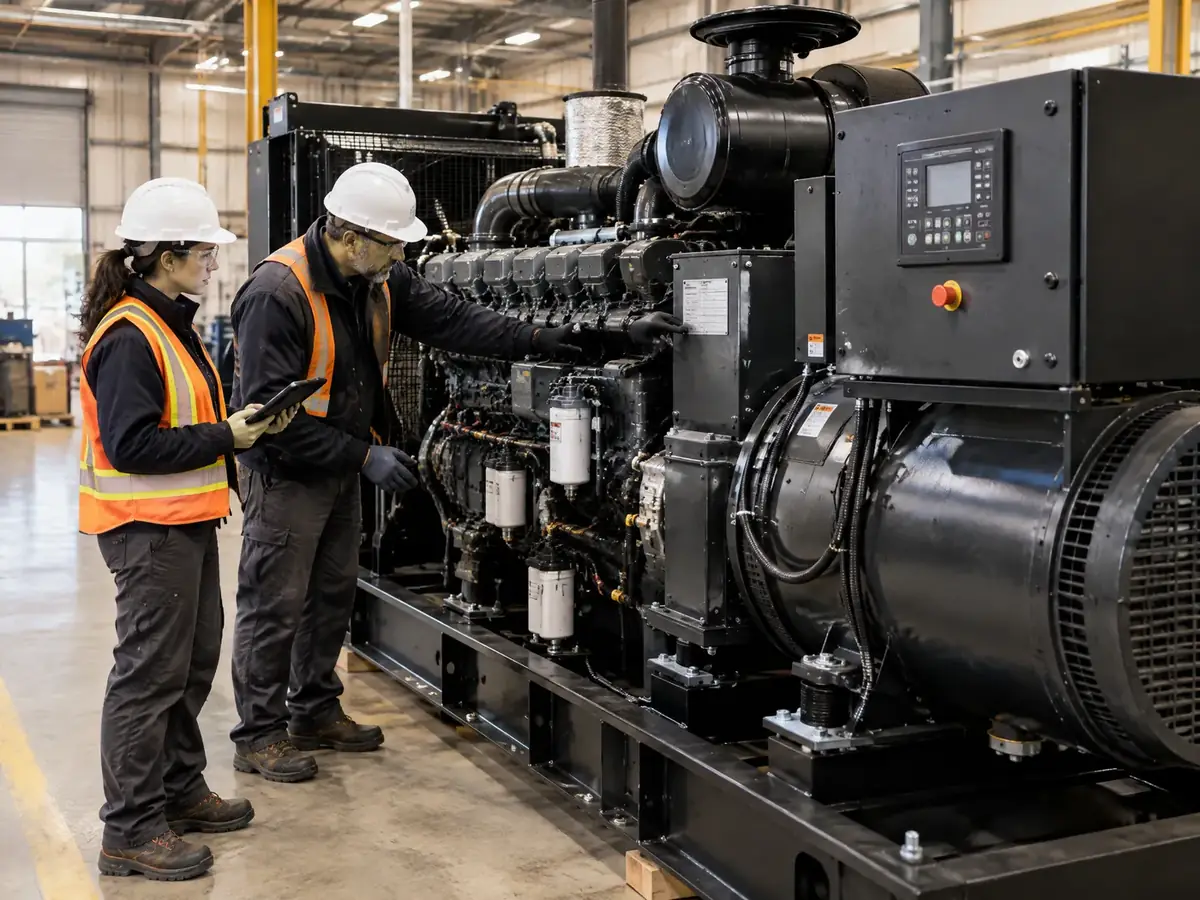
Record the manufacturer, complete model or catalog number, serial number, electrical rating, fuel type, year, hours, quantity, and current status. Photograph the full unit, the nameplate, the control panel, connection points, included accessories, and any damage. If several items are identical, show the quantity and capture one complete example. For mixed inventories, use a spreadsheet that ties each row to a folder of photographs.
Separate condition from appearance
Dust, faded paint, or warehouse storage does not automatically make equipment unusable. Conversely, clean paint does not prove that a generator operates correctly. Explain whether the asset was running when removed, whether it has been load-tested, how it was stored, and what maintenance records exist. Label unknowns as unknown. Accurate disclosures reduce rework and help a serious buyer make a defensible decision.
Compare the complete transaction
A headline offer is only one part of the result. Compare which equipment is included, when payment occurs, who disconnects and loads the assets, what insurance is required, how damage risk is handled, and whether the buyer can meet the project schedule. Confirm that the offer is based on the equipment actually described. Unclear assumptions often become delays or deductions later.
Plan access and removal early
Installed generators, transformers, switchgear, and motor-control centers may require electrical isolation, fluid handling, rigging, cranes, forklifts, permits, escorts, or restricted-hour work. Document door sizes, ceiling height, floor loading, stairs, curbs, security gates, dock access, and staging space. Identify the qualified contractor responsible for disconnection. A realistic removal plan protects personnel and avoids disruption to active operations.
Preserve the parts that support value
Keep controls, breakers, manuals, keys, enclosures, panels, accessories, and identification labels with the equipment. Do not cut cables flush, remove copper, discard doors, or separate matched components before the buyer reviews the package. Partial dismantling may reduce resale value more than the recovered scrap is worth. When space is limited, ask which components should remain together.
Use a clear decision timeline
State the desired removal date, internal approval process, access windows, and any construction milestone that cannot move. Allow time for technical questions and site planning on large assets. A complete submission can be reviewed quickly, but complex equipment still deserves a careful scope. The objective is a reliable close, not merely the fastest verbal estimate.
Recognize the signals of a qualified buyer
A qualified commercial buyer asks specific questions before committing to a transaction. Expect questions about ratings, operating history, quantity, location, access, and ownership. The buyer should be able to explain what affects the offer and identify any condition that still needs verification. Vague promises, pressure to release equipment before terms are documented, or a refusal to define loading responsibilities should be treated cautiously. Search visibility alone does not prove operational capability. Compare the buyer’s equipment knowledge, commercial process, communication, and ability to coordinate the entire handoff.
Protect the project from avoidable delays
Assign one seller contact who can answer technical and scheduling questions. Keep photographs, lists, site notes, and approvals in one shared project record. Verify that the serial numbers and quantities on the final release match the offer. If a third-party contractor will disconnect or load the equipment, introduce that team early and confirm who controls the schedule. These steps are simple, but they prevent the most common delays: incomplete descriptions, inaccessible equipment, uncertain ownership, missing loading resources, and last-minute changes to the asset list.
Questions to ask a prospective buyer
Final checklist
Before accepting an offer, verify the equipment list, condition assumptions, excluded items, site responsibilities, pickup date, payment timing, and contact information for everyone involved. Save the final documents and photographs with the project record. This discipline is useful whether the seller is an electrical contractor closing a job, a plant replacing production equipment, or a property team decommissioning an entire facility.