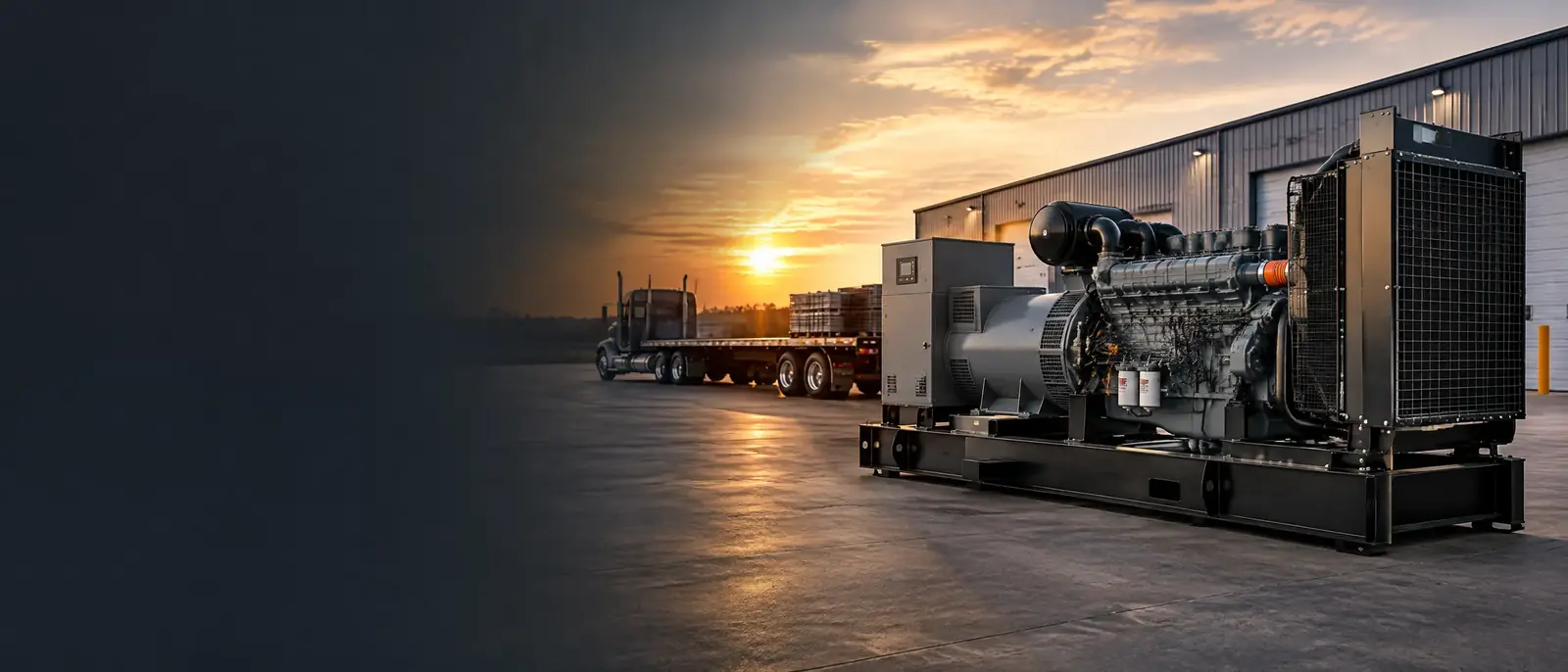
A practical exit plan for surplus power equipment
Idle equipment ties up space, working capital, and staff attention. Surplus Generator Buyers helps contractors, manufacturers, facilities, distributors, and project teams in Delaware identify marketable assets and move them through a documented commercial sale. We focus on the specifications, condition, and logistics that determine real resale value.
What we buy in Delaware
We evaluate diesel, natural-gas, standby, mobile, enclosed, open-skid, and industrial generator sets. Commercial units from established manufacturers are usually the best fit. The package may include an engine, alternator, radiator, controls, breaker, fuel system, enclosure, sub-base tank, and automatic transfer switch. We also review related engines and critical-power equipment when sold with a larger project.
How equipment value is determined
An online description such as “used generator” is not enough for a dependable offer. Buyers need the manufacturer, model, serial number, kW or kVA rating, voltage, phase, fuel type, year, run hours, and operating condition. For electrical equipment, catalog numbers, frame sizes, interrupting ratings, winding details, enclosure ratings, and quantities are important. Completeness matters because missing controls, doors, breakers, panels, or accessories can reduce marketability.
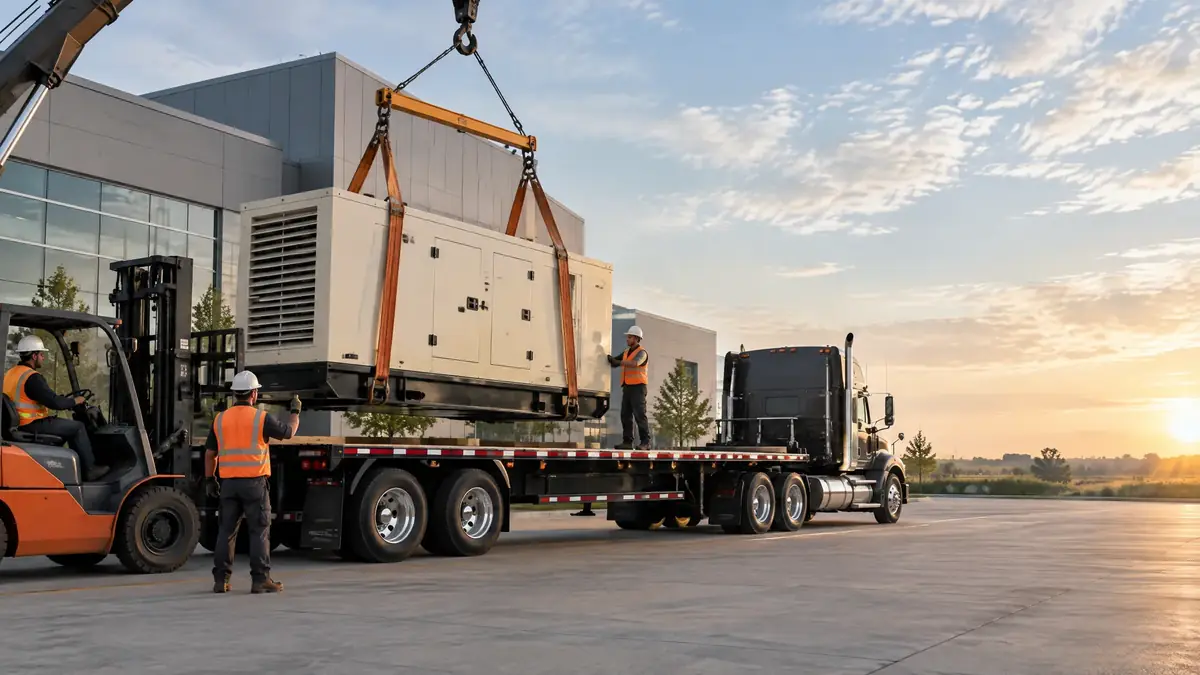
Location also affects the transaction. Equipment at grade with loading access is different from a unit on a roof, inside a basement, behind active production lines, or connected to critical service. We consider the practical cost and risk of access, rigging, disconnection, loading, and transportation before presenting terms.
Serving commercial sellers across Delaware
Delaware has a diverse commercial base that includes financial services, chemical manufacturing, healthcare, distribution, and public infrastructure. These operations may create surplus during expansions, reliability upgrades, generator replacements, construction closeouts, acquisitions, warehouse consolidations, and facility decommissions. We work with the seller's designated site contact so the equipment list, access plan, and release timing stay aligned.
Common service areas include Wilmington, Dover, Newark, Middletown, Seaford, as well as surrounding industrial corridors and smaller communities throughout the state. The equipment does not need to be located in a major metro. Clear information and workable access are more important than city size.
Our four-step sale and pickup process
What to send for a faster response
Begin with one overall photograph and one readable nameplate image for each equipment family. Add photographs of controls, breaker sections, connection points, enclosures, visible damage, and included accessories. For a large lot, create a spreadsheet with one row per item or group of identical items. Note whether the equipment is installed, disconnected, palletized, or ready at a loading dock. Honest condition notes produce a better discussion than incomplete descriptions or stock photographs.
Preparing the site for removal
Do not disconnect, drain, lift, or move equipment without qualified personnel and an agreed plan. Identify energized conductors, fuel, batteries, coolant, access restrictions, floor loading limits, overhead hazards, dock dimensions, and required safety documentation. If the equipment is part of an active system, define the release date and responsible electrical or mechanical contractor. A safe removal plan protects people, property, and the value of the equipment.
Documentation and a clean commercial handoff
Before pickup, confirm the final asset list, included accessories, payment terms, responsible contacts, carrier information, and release authorization. Photograph the equipment after disconnection and again after loading when appropriate. Keep bills of sale, serial-number lists, pickup records, and any site-required paperwork with the project file. A clean handoff is especially important for multi-site programs, leased facilities, government properties, and corporate asset-disposition projects where several stakeholders may review the transaction. If a schedule changes, communicate it before a carrier or crew is dispatched. Organized documentation does not add unnecessary bureaucracy; it prevents confusion about what was sold, who was authorized to release it, and when responsibility transferred.
Frequently asked questions
Do you buy one generator or only large lots?
We review both. A single commercial generator may qualify when its specification, condition, and location support resale. Large facilities and multi-unit fleets should provide an organized equipment schedule.
Can you purchase equipment that is still installed?
Potentially. Installed equipment requires accurate access information and a clear division of responsibility for electrical isolation, mechanical disconnection, rigging, and loading.
What brands are considered?
We review major commercial and industrial manufacturers. Brand is important, but rating, age, hours, condition, configuration, completeness, and present demand also influence the decision.
How do I start?
Call (951) 733-6603 with the equipment location and basic specifications. If photographs and a list are available, have them organized by item so the review can begin efficiently.