Do we buy Eaton Series C molded-case circuit breakers?
Yes—Surplus Generator Buyers purchases Eaton Series C molded-case circuit breakers when the manufacturer, exact Series C catalog/model, electrical ratings, condition, quantity, location, completeness (trip units and accessories), and current market demand align. Send clear nameplate photos, catalog numbers, quantities, and location so we can assess. Offers depend on those factors and the breaker’s suitability for resale, parts, or rebuild.
What sellers should know
Surplus Generator Buyers buys Eaton Series C molded-case circuit breakers from commercial and industrial sellers nationwide. We evaluate each breaker by its Series C catalog number, nameplate data, ampere and frame ratings, pole count, interrupting rating, and trip unit configuration. Condition, accessory completeness, quantity, and location influence pricing and logistics. Sellers should submit clear photos and exact catalog information to start. We buy units for resale, parts recovery, or rebuild programs. Never perform energized testing or removal; qualified personnel must handle disconnection and safe removal.
Examples we review
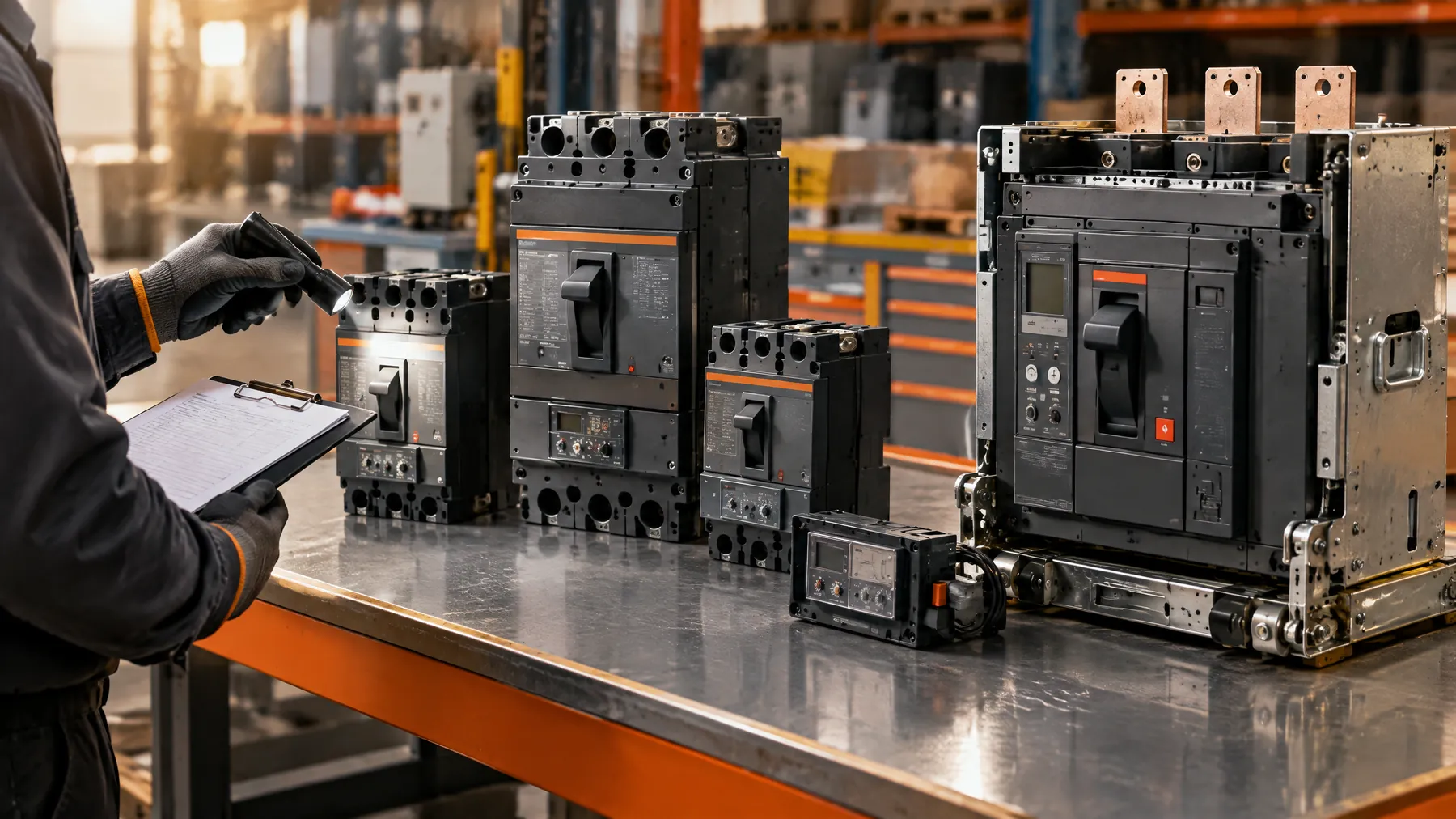
Use the list below as an identification guide, not a promise that every unit will qualify. The exact model, configuration, condition, quantity, location, completeness, and present demand still control the purchasing decision.
What information should you send?
A complete submission lets a buyer answer the seller’s real question: whether this exact breaker or inventory has a practical commercial market. Copy identifiers exactly as shown and support them with current photographs.
Manufacturer and series: Eaton Series C
Complete catalog or model number from the nameplate
Ampere rating, frame size, and trip type (thermal‑magnetic or electronic)
Voltage rating, pole count, and interrupting (AIC/ICR) rating where shown
Physical condition and recent testing or decommissioning notes
Quantity available and exact location with access/shipping details
What affects marketability and value?
Series C breakers remain marketable because they were widely specified in commercial and industrial switchgear, panelboards, and retrofit projects. Breakers with complete nameplates, serviceable trip units, and documented interrupting ratings attract interest from rebuilders and end users seeking spares. Large, consistent quantities and intact accessories improve logistics and buyer confidence. Marketability varies by exact model, rating, and regional demand; we review each submission individually.
Model Specificity
Exact Series C catalog numbers determine buyer interest because interchangeability and replacement fit depend on the model. Provide full catalog data to speed evaluation and to match breakers with resale or rebuild demand.
Interrupting Rating
AIC/interrupting capacity is critical for resale and retrofit. Breakers with documented, adequate interrupting ratings command more interest because they fit common commercial applications and meet buyer safety thresholds for reuse or parts harvesting.
Trip Unit Type
Electronic or adjustable trip units are valuable for reuse. Factory‑installed trip modules, communication‑enabled releases, or serial‑numbered electronic units increase demand versus generic fixed trips because they serve modern control and protection needs.
Condition & Completeness
Complete breakers with intact handles, lugs, and nameplates are more marketable. Corrosion, broken cases, or missing trip modules reduce offers. Documented maintenance and original accessories simplify logistics and improve buyer confidence.
Where this equipment is commonly found
Eaton Series C breakers commonly come from switchboards, motor control centers, tenant build-outs, and plant decommission projects. Knowing whether a breaker protected a feeder, motor, or branch circuit helps buyers assess wear and compatibility. Project history—installation date, duty cycle, and reason for removal—helps determine resale or parts potential. Do not attempt energized testing or removal; qualified electricians or service technicians must perform those tasks.
How to prepare the breaker for review
Preserve all nameplates, trip unit labels, and serial tags. Photograph the breaker front, side, and interior when de-energized and safe to access. Capture catalog/model numbers, ampere/frame markings, pole and terminal details, date codes, and any damage. Photograph mounting details and shipping access at the location. Keep handles, draw-out carriages, shunt trips, and other accessories together. Have qualified electrical personnel de-energize and remove equipment.
Do not clean labels with harsh chemicals, dismantle the breaker for better photographs, remove copper, separate matched accessories, or energize an unknown unit. Keep the inventory dry, protected from impact, and associated with its records. Qualified personnel must control any testing, electrical isolation, disconnection, racking, rigging, or field removal.
How the sale moves forward
Frequently asked questions
Do you buy used or obsolete Eaton Series C breakers?
Yes—we consider used and older Series C breakers, but acceptability depends on catalog identification, condition, interrupting rating, and parts completeness. Obsolete or heavily damaged units may be valued for parts only. Submit photos and details for assessment.
What photos and information do you need to get an offer?
Send clear photos of the nameplate, front and side views, interior with covers removed (de‑energized), trip unit labels, and any damage. Include catalog/model number, ampere/frame, voltage/poles, interrupting rating, quantity, and location for a prompt review.
What if I have large quantities or need shipping and removal?
Tell us quantities and site access up front. We work with sellers on logistics; sometimes the seller arranges pickup, other times we coordinate removal. Qualified electrical personnel must de‑energize and disconnect breakers before any handling or rigging.
How long until I receive an offer after submitting details?
Response time depends on identification quality, quantity, condition, location, and project complexity. Complete catalog information, readable labels, current photographs, and clear logistics details reduce follow-up questions. Large or installed inventories may require additional review before terms are final.