Do we buy General Electric and GE circuit breakers?
Yes—Surplus Generator Buyers purchases General Electric (GE) circuit breakers, but buys depend on manufacturer, exact catalog/series, electrical ratings, physical and functional condition, quantity, pickup location, completeness (accessories/handles/bolts/draw-out), and current market demand. Provide detailed photos and datasheets so we can evaluate. Contact our buyer team with catalog numbers and availability for a prompt review.
What sellers should know
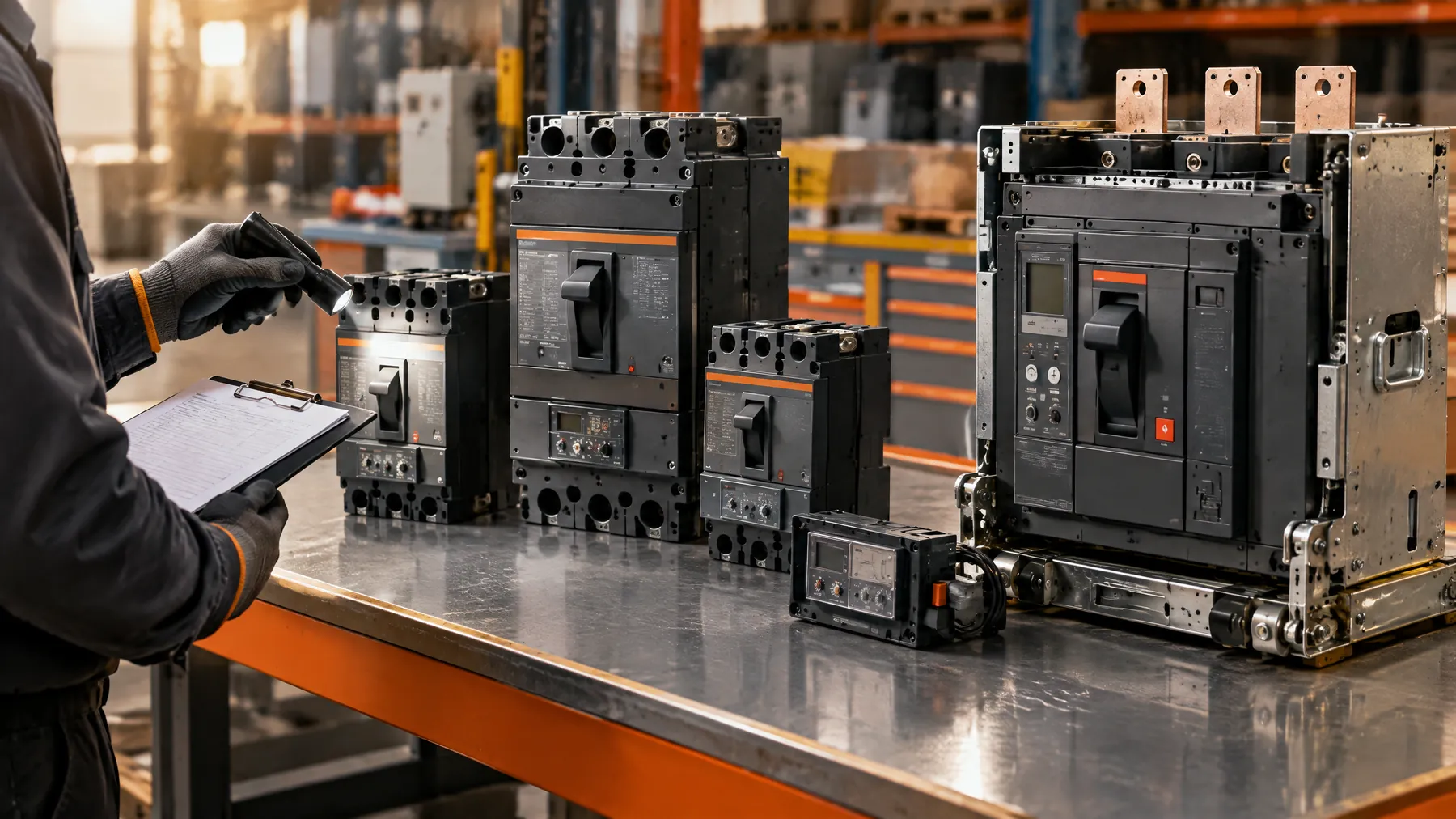
General Electric (GE) circuit breakers span molded-case, draw-out power breakers, air-magnetic units, and switchgear-installed trip units used in industrial and commercial power distribution. Surplus Generator Buyers purchases GE breakers nationwide when documentation, nameplate data, and condition support reuse or parts recovery. We evaluate exact catalog numbers, interrupting ratings, frames, and testing history. Do not work on energized equipment yourself; qualified electrical personnel must handle live testing, disconnection, and removal. We buy single items, spare stocks, and full decommissioned switchgear assemblies, subject to inspection and safe removal scheduling.
Examples we review
Use the list below as an identification guide, not a promise that every unit will qualify. The exact model, configuration, condition, quantity, location, completeness, and present demand still control the purchasing decision.
What information should you send?
A complete submission lets a buyer answer the seller’s real question: whether this exact breaker or inventory has a practical commercial market. Copy identifiers exactly as shown and support them with current photographs.
Manufacturer name (General Electric / GE)
Complete catalog/model number from nameplate
Ampere, frame, and trip unit information
Voltage, poles, and interrupting rating (where applicable)
Condition and testing history or test stickers
Quantity and pickup location (site access details)
What affects marketability and value?
Marketability of GE circuit breakers depends on type, nameplate ratings, and traceable history. Standard molded-case and common frame sizes often sell as service spares. Breakers with intact trip units, factory nameplates, and recent test or maintenance records are high interest. Older but common GE models may be valuable for parts and retrofit projects. Units with missing accessories, severe corrosion, or unknown electrical history reduce marketability. Provide full nameplate photos and shipping dimensions to speed a firm appraisal.
Nameplate Data
Complete nameplate data lets buyers confirm catalog number, ampere rating, interrupting capacity, and manufacturing date. Missing nameplates usually require additional testing or lower offers because buyers cannot verify electrical ratings or compatibility.
Trip Unit Type
Electronic trip units, adjustable thermal-magnetic trips, and solid-state relays affect resale value. Breakers with OEM electronic trip modules and calibration records are more marketable than units with unknown or modified trip devices.
Physical Condition
Exterior wear, corrosion, and broken handles substantially reduce value. Intact draw-out mechanisms, clean contacts, and original fasteners support higher offers. Buyers expect honest condition reports and clear photos before inspection scheduling.
Quantity & Logistics
Larger lots and nearby pickup locations improve net realizable value. Single breaker sales are possible, but handling, trucking, and packaging costs weigh heavily. Provide palletized weights and site access details for accurate offers.
Where this equipment is commonly found
GE circuit breakers are used in commercial buildings, industrial plants, utilities, data centers, and equipment rooms. Buyers value breakers removed from documented projects, planned upgrades, or factory overstock because original equipment compatibility and service history inform reuse. Knowing the previous application—motor starter, main distribution, generator tie, or MCC—helps us determine suitability. Always have qualified personnel perform energized isolation and disconnection before inspection. Project history also affects testing requirements and whether units will be resold whole or dismantled for parts.
How to prepare the breaker for review
Before offer, preserve nameplates, serial numbers, and any trip unit covers or accessory bags. Photograph the breaker from multiple angles: nameplate close-ups, front, back, draw-out racking position, and accessory mounting points. Note ampere/frame/trip ratings, poles, and interrupting capacity. Record any test stickers or calibration tags. Do not attempt energized testing or removal yourself; a qualified electrician should de-energize and disconnect equipment. Provide packing dimensions and palletized weight if already crated.
Do not clean labels with harsh chemicals, dismantle the breaker for better photographs, remove copper, separate matched accessories, or energize an unknown unit. Keep the inventory dry, protected from impact, and associated with its records. Qualified personnel must control any testing, electrical isolation, disconnection, racking, rigging, or field removal.
How the sale moves forward
Frequently asked questions
Do you buy used or obsolete GE circuit breakers?
Yes — we consider used and obsolete GE breakers case-by-case. Offers depend on exact model, nameplate data, parts demand, condition, and available test records. Obsolete units often move for parts or rebuilds, but reuse usually requires documented testing. Have a qualified electrician handle energized disconnection and removal.
What photos do you need to evaluate a GE breaker?
Provide clear nameplate close-ups, front and rear views, draw-out racked positions, trip unit labels, accessory bags, and serial numbers. Include photos of any test stickers, stampings, and visible damage. Add a photo of the surrounding switchgear and a tape measure for scale.
What quantities, shipping, or removal options do you accept?
We buy single units up to palletized lots and full decommissioned gear. Provide quantities, weights, and site access. For large removals we can coordinate logistics with third-party riggers, but energized disconnection must be done by qualified personnel. Shipping or pickup terms are determined in offer.
How long does it take to receive an offer?
Response time depends on identification quality, quantity, condition, location, and project complexity. Complete catalog information, readable labels, current photographs, and clear logistics details reduce follow-up questions. Large or installed inventories may require additional review before terms are final.