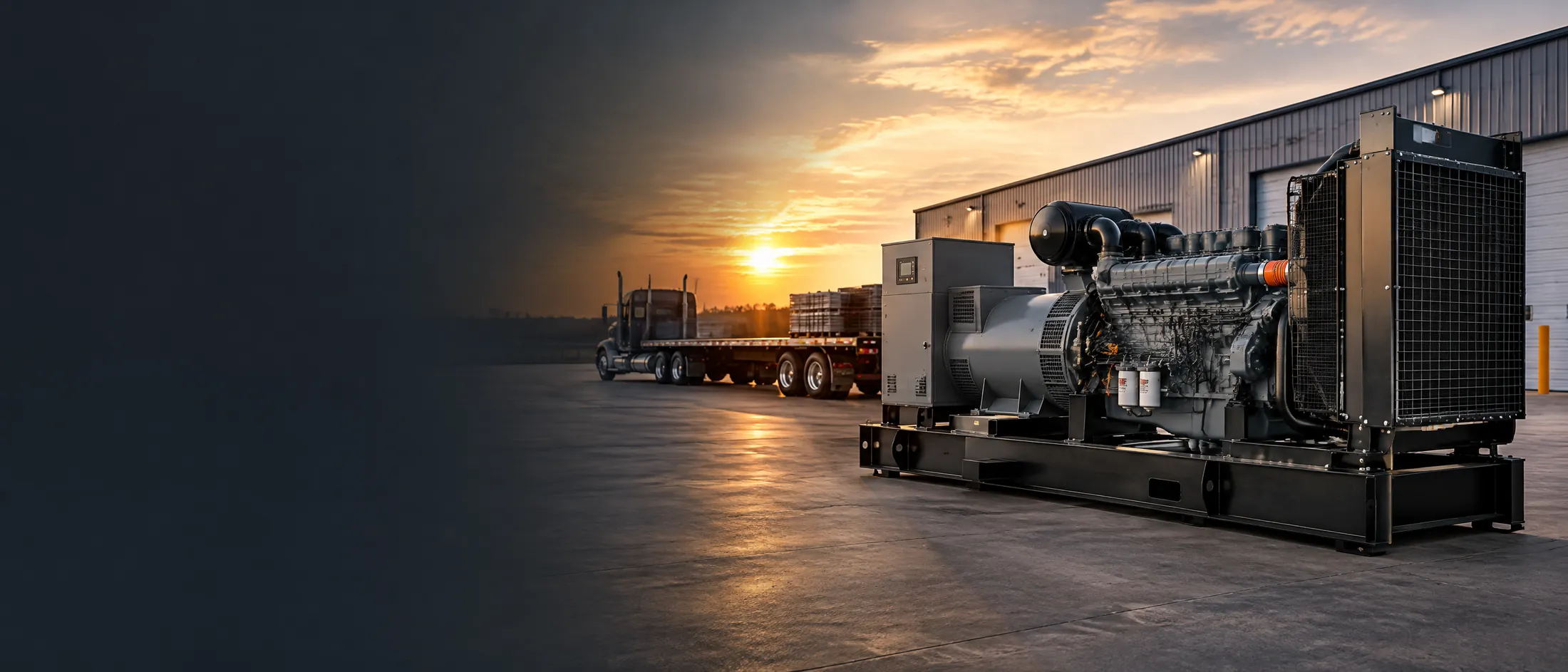
Do you buy low-hour commercial generator sets?
Yes — we review qualifying documented low-hour commercial generator sets. Decisions hinge on clear identification (manufacturer, model, serial), power rating (kW/kVA, standby/prime), voltage/phase/frequency, verified hours and service history, engine and alternator serials, control system, enclosure and fuel system condition, and on-site access for inspection or removal.
What sellers should know
This page describes the equipment details and documentation we require to review low-hour commercial generator sets for purchase consideration.
“Low-hour” here denotes sets with operational hour readings and supporting service history indicating light use relative to the unit’s expected life — sellers must provide evidence rather than a subjective claim of low use. We review units from major manufacturers, multiple fuel types, and both prime and standby-rated sets listed below and on the submission form provided by the buyer team (not provided here). Please prepare the items in the Photo Checklist to accelerate review.
Specifications that support a purchase review
Decisive specifications we use to qualify low-hour generator sets. Provide these items for each unit submitted; missing core specs often delays or prevents review.
Condition and documentation
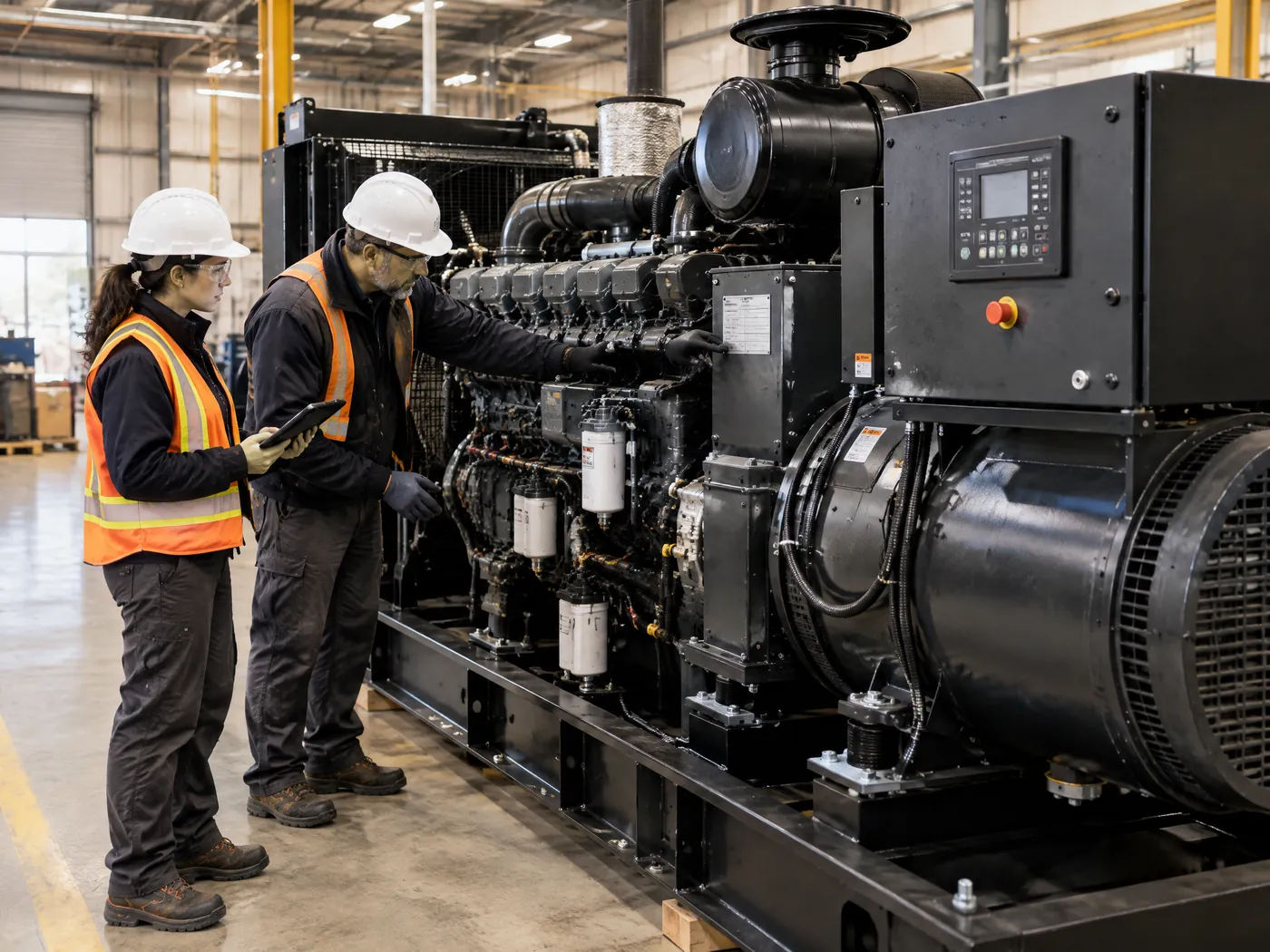
We accept submissions that document consistent low use and maintain traceable service records. Condition descriptions should include whether the set is factory-configured or modified, enclosure type (skid-mounted, weatherproof enclosure, sound-attenuated), fuel tank capacity and location (integral or external), breaker type and ratings, results of any load bank or run tests, noted faults, and whether the unit is operational. Units with clear serials, intact hour meters, and dated maintenance records are prioritized. We do not perform on-site verification until a formal review and agreed next steps; a listing with incomplete documentation may not be reviewed.
What affects marketability?
Documentation completeness
Service logs, original purchase invoices, engine oil analysis reports, and load test reports significantly affect review speed. Hour meter readings alone are insufficient without corroborating records.
Manufacturer and model demand
Some manufacturers and specific models have larger secondary markets due to parts availability and common install specifications.
Age vs. hours
A recent manufacture date with low hours is more favorable than a very old set with similar hours, because of parts obsolescence and emissions standards changes.
Controls and alternator specifics
Modern digital controls and recognized alternator brands increase buyer interest, because they reduce the need for immediate component replacement or upgrade.
Photo and inventory checklist
Overall image of the complete set showing enclosure/skid
Nameplate showing manufacturer, model, and serial (generator set)
Engine nameplate and serial
Alternator nameplate and serial
Control panel close-up with model number and screen display
Hour meter reading, clearly legible
Circuit breaker label and ratings
Fuel tank, fill point, and any secondary containment images (if applicable without exposing proprietary info or site security concerns) 1–2 photos showing capacity or labels if present (do not show fuel level gauges if restricted by policy). Note: do not supply sensitive site security images unnecessarily.)
Pickup and logistics planning
We review submitted equipment descriptions and photos to determine whether the unit meets our low-hour criteria and buyer interest. If a unit qualifies, we may request additional documentation and arrange a site visit or third-party inspection. We do not guarantee purchase, price, timing, testing, certification, or removal. Sellers should confirm site access windows, staging and lifting equipment availability, and any site-specific requirements before submitting units for review.
Safety and scope boundary
We do not certify or test equipment remotely. Sellers must ensure units are safe to inspect and remove and must comply with site safety policies and local regulations. Provide clear information about confined spaces, electrical isolation, and any hazardous materials present so reviewers can plan appropriately. Any on-site work is coordinated through the seller; we do not perform or assume responsibility for safety compliance.
Frequently asked questions
What evidence best supports a low-hour claim?
Best evidence includes a readable hour meter photo, dated service records showing maintenance intervals, original purchase invoice, engine/alternator serial numbers that match nameplates, and results of any load bank or operational tests. Third-party inspection reports and oil analysis reports are also helpful.
What hour reading defines “low-hour”?
We evaluate ‘‘low-hour’’ relative to the unit’s make, model, and expected lifecycle. Units with clearly documented, substantially lower run-hours than typical duty for that model receive preference. Provide context (service type and operating profile) rather than relying on an absolute cut-off.
Do you buy units still under OEM warranty?
We review units whether or not a warranty remains. If warranty transferability or remaining warranty exists, include documentation; it can materially affect buyer interest but does not guarantee purchase.
Will you accept modified or repowered sets?
Modifications are reviewed case-by-case. Provide full documentation of any repower, component replacements, control upgrades, or enclosure changes. Unverified or undocumented modifications reduce likelihood of acceptance.