Do we buy stored-energy and circuit breaker operating mechanisms?
Yes—Surplus Generator Buyers purchases stored-energy and circuit breaker operating mechanisms, subject to review. Offers depend on manufacturer and exact catalog/series, ampere/frame/trip ratings, interrupting and voltage ratings, condition, quantity, location, completeness of mechanism and accessories, and current demand. Send full identification and photos for a prompt evaluation. Qualified personnel must handle any energized or removal work.
What sellers should know
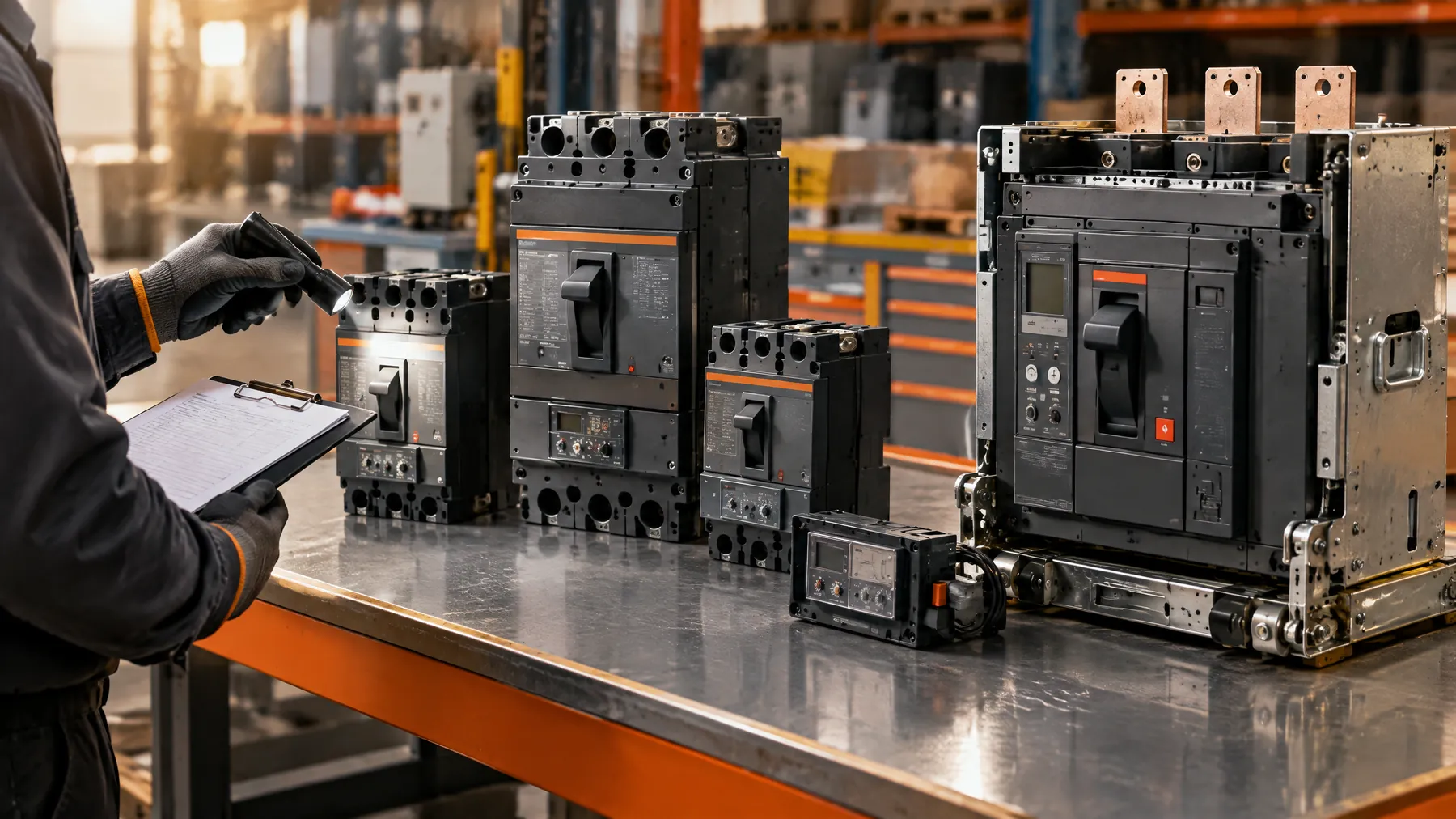
Stored-energy and circuit breaker operating mechanisms are the spring assemblies, charging motors, actuators, linkages, and related controls that close and reclose commercial and industrial breakers. We evaluate each mechanism by exact catalog/series, nameplate data, service history, and whether mounts, charging units, and control panels are included. Mechanisms from switchgear-class breakers are handled differently than those from transfer or molded-case units. Surplus Generator Buyers purchases complete, matchable mechanisms and factory spares across the U.S. Provide photos, serials, and any maintenance records. Qualified technicians should handle energized parts and disconnection during inspection and removal.
Examples we review
Use the list below as an identification guide, not a promise that every unit will qualify. The exact model, configuration, condition, quantity, location, completeness, and present demand still control the purchasing decision.
What information should you send?
A complete submission lets a buyer answer the seller’s real question: whether this exact breaker or inventory has a practical commercial market. Copy identifiers exactly as shown and support them with current photographs.
Manufacturer and brand (as shown on nameplate)
Complete catalog or model number and series
Ampere/frame and trip unit or trip curve information
Voltage rating, pole count, and interrupting rating (when applicable)
Condition notes and any functional or test records
Quantity available and exact storage/shipping location
What affects marketability and value?
Marketability hinges on compatibility with installed breaker platforms, completeness, and documented condition. Mechanisms that match common switchgear series or have available mounting hardware and chargers are more in demand. Recently serviced or factory-spare mechanisms with intact nameplates, chargers, and trip accessories attract buyers. Obsolete or partial mechanisms can still sell to refurbishers or parts brokers, but they require clear identification and often lower demand. Accurate catalog numbers and photos speed appraisal and improve marketability.
Manufacturer/Series
Well-known breaker platforms and exact series numbers increase demand because buyers can match mechanisms to in-service equipment and factory spares, reducing lead time for repairs and rebuilds.
Completeness & Accessories
Complete assemblies with chargers, couplings, mounting brackets, and control panels are significantly more marketable than loose parts. Missing accessories reduce compatibility and value.
Condition & Testing
Mechanisms with recent service records or proof of functional testing command stronger interest. Corrosion, fractured linkages, or unknown functional status lower marketability and require refurbishment.
Quantity & Location
Larger, consolidated quantities in accessible locations improve logistics and appeal to rebuilders. Single units in remote sites may still sell but carry higher removal and shipping costs.
Where this equipment is commonly found
Stored-energy and operating mechanisms are used in substations, power plants, industrial switchgear, and utility feeder breaker banks. Buyers value mechanisms with clear project or service history because that history helps predict remaining mechanical life and spare compatibility. Refurbishers and switchgear rebuild shops prefer complete assemblies with matching chargers, couplings, and control interfaces. Always have qualified personnel perform any energized testing, disconnection, or removal prior to photographing or shipping.
How to prepare the breaker for review
Preserve nameplates, serial numbers, and any tag or calibration records. Photograph the mechanism from multiple angles: nameplate close-up, charging motor and spring housings, linkage interfaces, control connectors, and mounting faces. Keep original chargers, couplings, manuals, and spare fasteners together. Do not power or test mechanisms unless qualified personnel do the work. Note whether springs are charged or discharged and record any visible damage, oil leaks, or corrosion.
Do not clean labels with harsh chemicals, dismantle the breaker for better photographs, remove copper, separate matched accessories, or energize an unknown unit. Keep the inventory dry, protected from impact, and associated with its records. Qualified personnel must control any testing, electrical isolation, disconnection, racking, rigging, or field removal.
How the sale moves forward
Frequently asked questions
Do you buy used or obsolete operating mechanisms?
Yes—we evaluate used and obsolete mechanisms on a case-by-case basis. Obsolete units can be valuable to refurbishers and parts brokers if they are identifiable, complete, or match legacy series. Provide photos and serials so we can determine demand and fit.
What photos and information do you need for an offer?
Send clear photos of the nameplate, catalog/model number, the charging motor and spring housing, linkage interfaces, and mounting faces. Include serial numbers, quantity, visible condition notes, and any maintenance or test records. Do not energize equipment; use qualified personnel for access.
How many units do you buy and who handles shipping or removal?
We buy single pieces up to large lots nationwide. Removal and shipping depend on condition and site access. We can advise on options, but qualified technicians must perform disconnection and removal. Provide location, weight estimates, and palletizing options for faster quotes.
How long until I get an evaluation or offer?
Response time depends on identification quality, quantity, condition, location, and project complexity. Complete catalog information, readable labels, current photographs, and clear logistics details reduce follow-up questions. Large or installed inventories may require additional review before terms are final.