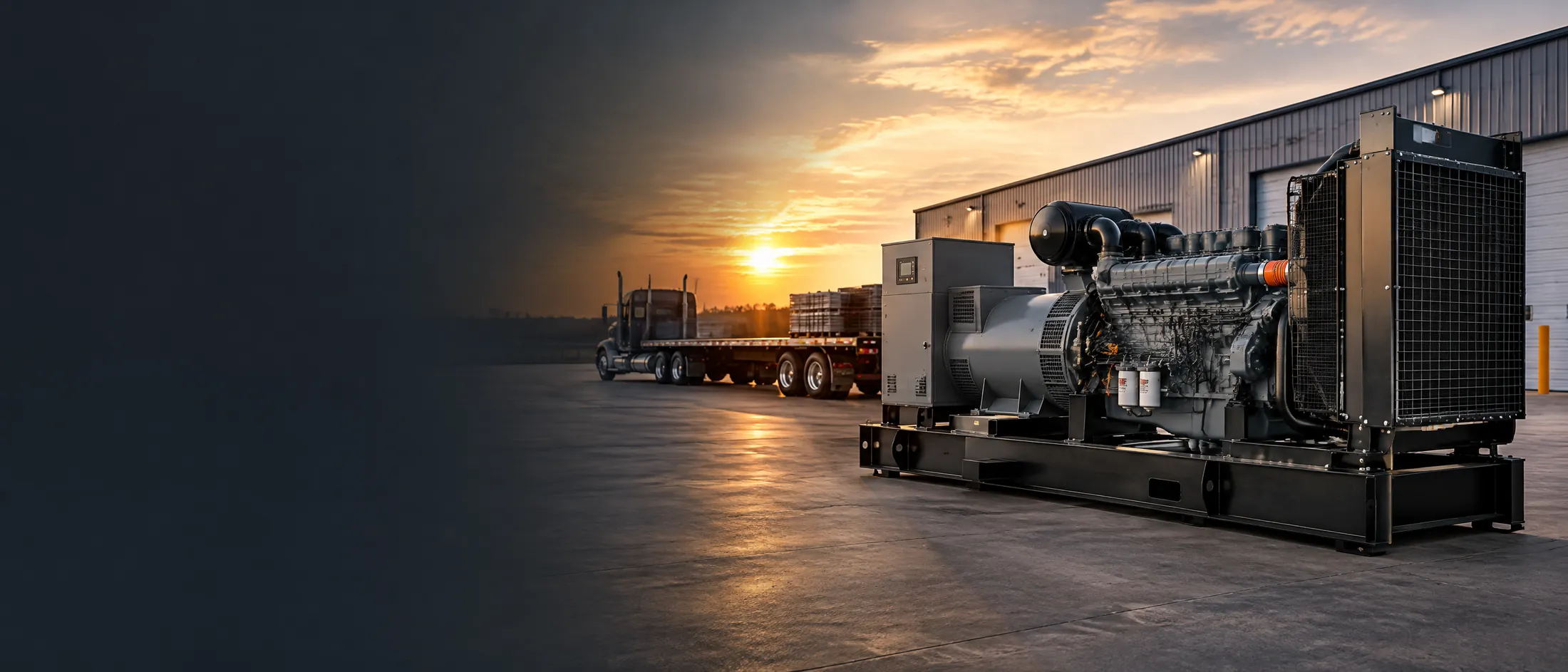
Do you buy Detroit Diesel generator sets and what information do you need?
We review qualifying Detroit Diesel gensets. The decisive specs are: manufacturer and model, kW/kVA with standby or prime rating, voltage/phase/frequency, fuel type (diesel), engine model and hours, alternator make/model, control system, enclosure and tank details, breaker rating, year, test history, and site logistics (quantity, location, access). Provide photos and serials to support a review.
What sellers should know
This page explains what we look for when evaluating surplus Detroit Diesel–powered generator sets. We evaluate diesel gensets from OEM and packager combinations where a Detroit Diesel engine is installed in a skid or housed in an enclosure with an alternator, controls, and distribution equipment.
We do not represent manufacturers, and we do not guarantee purchase, price, response time, testing, certification, or removal. Our review is based on documentation, photos, and condition evidence you provide. Typical sellers include facility managers, contractors, dealers, and liquidation teams with one or more units available for resale or recycling.
Specifications that support a purchase review
Key specifications and asset details we need to assess Detroit Diesel gensets quickly. Supplying these items speeds review and sets realistic expectations.
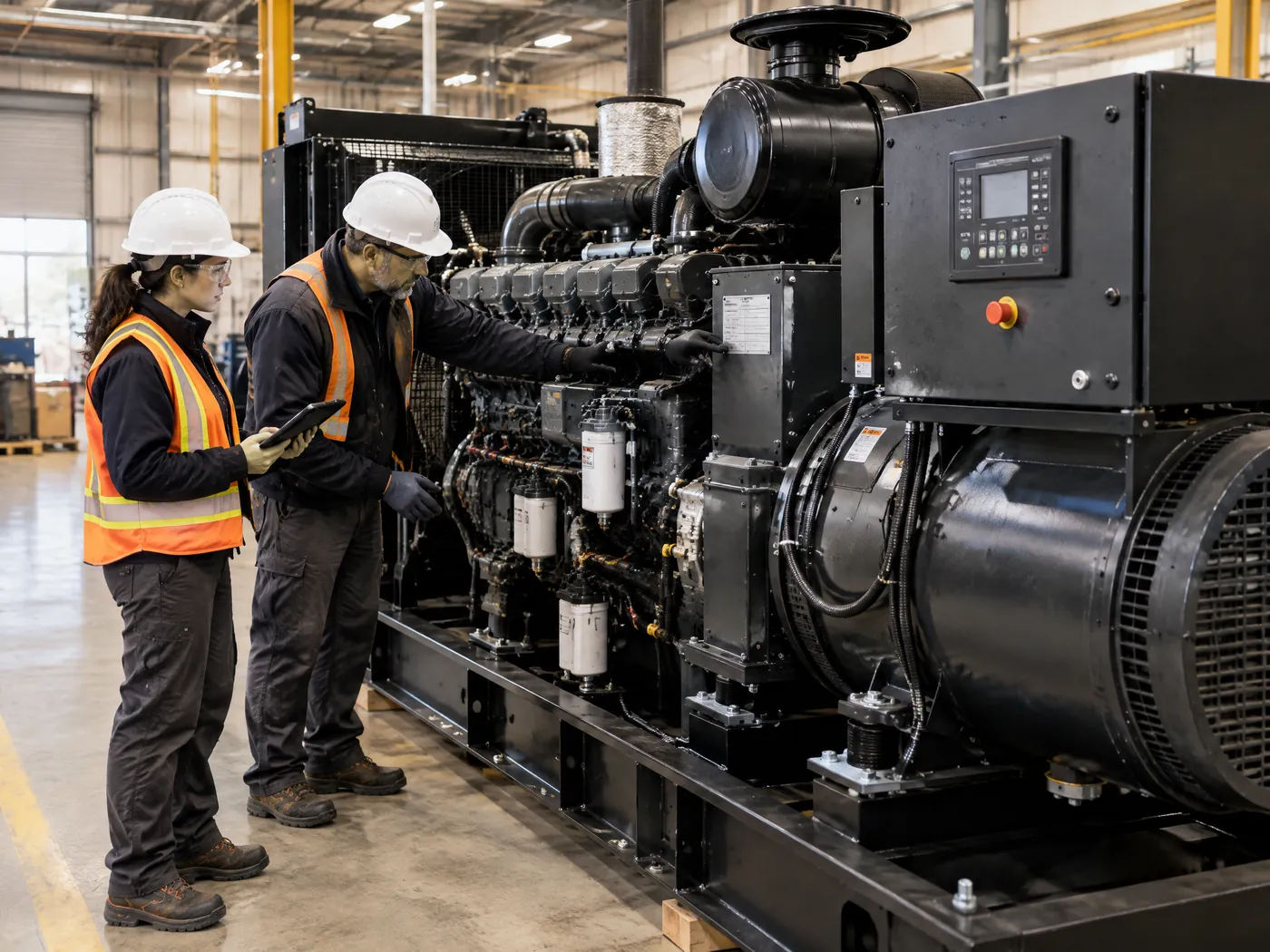
Condition and documentation
Condition categories we consider range from serviceable (runs, recent load test, clean skid, intact controls) to project/rebuild (runs but needs repairs, missing components) to parts/scrap (non-running, heavy corrosion, major damage). For review, provide current operational status, recent run or load-test results, visible oil or coolant leaks, smoke on start, and whether the engine has been winterized or preserved.
What affects marketability?
Engine Model & Parts Availability
Detroit Diesel engine family (e.g., Series 60, 8V92, 12V71) influences aftermarket demand. Common models with accessible parts and service history tend to attract more buyers.
Alternator and Control Equipment
High-value alternator brands and modern controllers increase resale prospects. Units with proprietary or obsolete alternators can reduce interested buyers.
Test & Service Records
Recent load tests, service logs, and maintenance invoices materially improve the confidence of buyers and are frequently decisive in a preliminary review.
Quantity and Location
Single units are assessed differently than fleets. Accessibility, weight, and local regulations affect removal cost and buyer interest.
Photo and inventory checklist
Overall unit photos from multiple angles (include full genset and skid/enclosure)
Close-up of engine nameplate and engine serial number
Alternator nameplate and serial number
Controller faceplate with model and current status screen
Transfer switch and main breaker rating plates
Fuel tank(s) and week-of-condition photos showing leaks or corrosion
Hour meter or controller hours screenshot
Any obvious damage, rust, or missing components (muffler, piping, radiator, exhaust)
Pickup and logistics planning
To initiate a review, provide location, unit dimensions and weight (if known), number of units, site access constraints (forklift, crane, staging area), and any environmental or permitting issues. We will review the supplied documentation and photos to determine if the genset qualifies for further interest. We do not commit to offers, pricing, testing, or removal timelines based on the initial submission alone.
Safety and scope boundary
We do not provide engineering or safety instructions. Sellers must comply with local environmental and safety laws for fuel, batteries, and contaminated fluids. Do not attempt removal or testing without qualified personnel. Evidence we accept includes photographs, serial numbers, service records, and recent run-test documentation supplied by the owner or authorized representative.
Frequently asked questions
Do you buy Detroit Diesel engines removed from generators?
We review both complete gensets and detached Detroit Diesel engines when accompanied by documentation showing engine serial number, hours, and recent condition. Standalone engines are evaluated on rebuild potential, parts demand, and transport logistics.
How much information do I need to get a review?
Provide manufacturer, model, serials, kW/kVA and rating, voltage/phase, engine hours, alternator and controller details, photos, and site access info. The more complete the submission, the quicker we can assess whether the equipment qualifies for further consideration.
Will you test or certify the genset?
We do not perform on-site testing, certification, or warranty work as part of an initial review. Test history and recent run/load-test reports from the owner are important evidence for our assessment.
Do you handle removal and transport?
We do not guarantee logistics services. If a purchase progresses, removal and transport are handled in coordination with the seller and contractors; details and costs are negotiated separately.