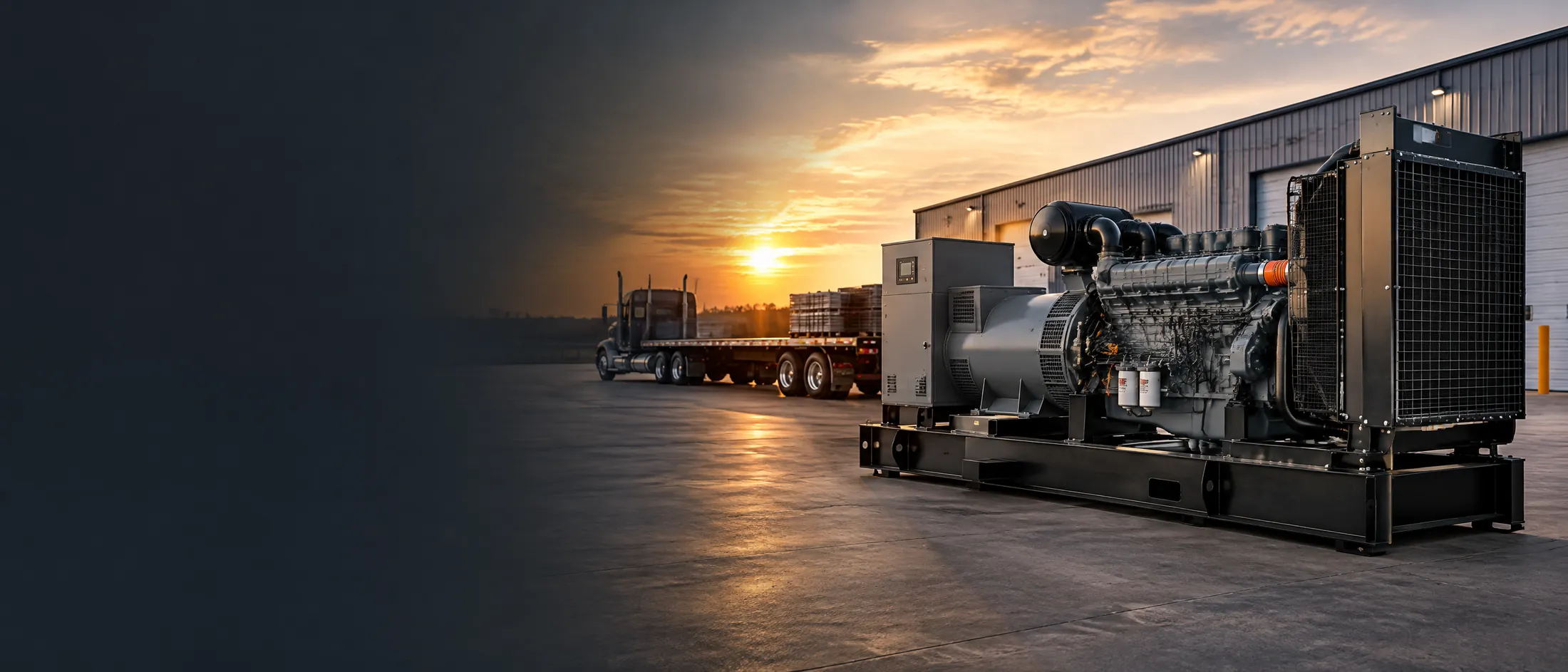
Do you buy Kohler commercial generators and what information decides whether a unit qualifies?
We review qualifying Kohler commercial generators for potential purchase; we do not guarantee an offer. The decisive specifications are manufacturer and model, serial number, rated kW/kVA and standby or prime rating, voltage/phase/frequency, fuel type, engine and alternator model, hours and year, control system, enclosure and tank details, test history, quantity and site access.
What sellers should know
This page explains what we need to evaluate Kohler commercial generator sets — typical industrial, rental, and standby models from 10 kW up to multiple MW classes.
We accept submissions of working and non-running Kohler gensets for review. A complete submission speeds evaluation but does not imply purchase or price certainty. We do not provide testing, certification, or removal as part of the review process unless explicitly contracted after an agreement is reached by both parties and documented separately.
Specifications that support a purchase review
Provide the listed specifications and supporting evidence so we can perform a timely review. Clear, accurate nameplate photos and run/test documentation are the most helpful items.
Condition and documentation
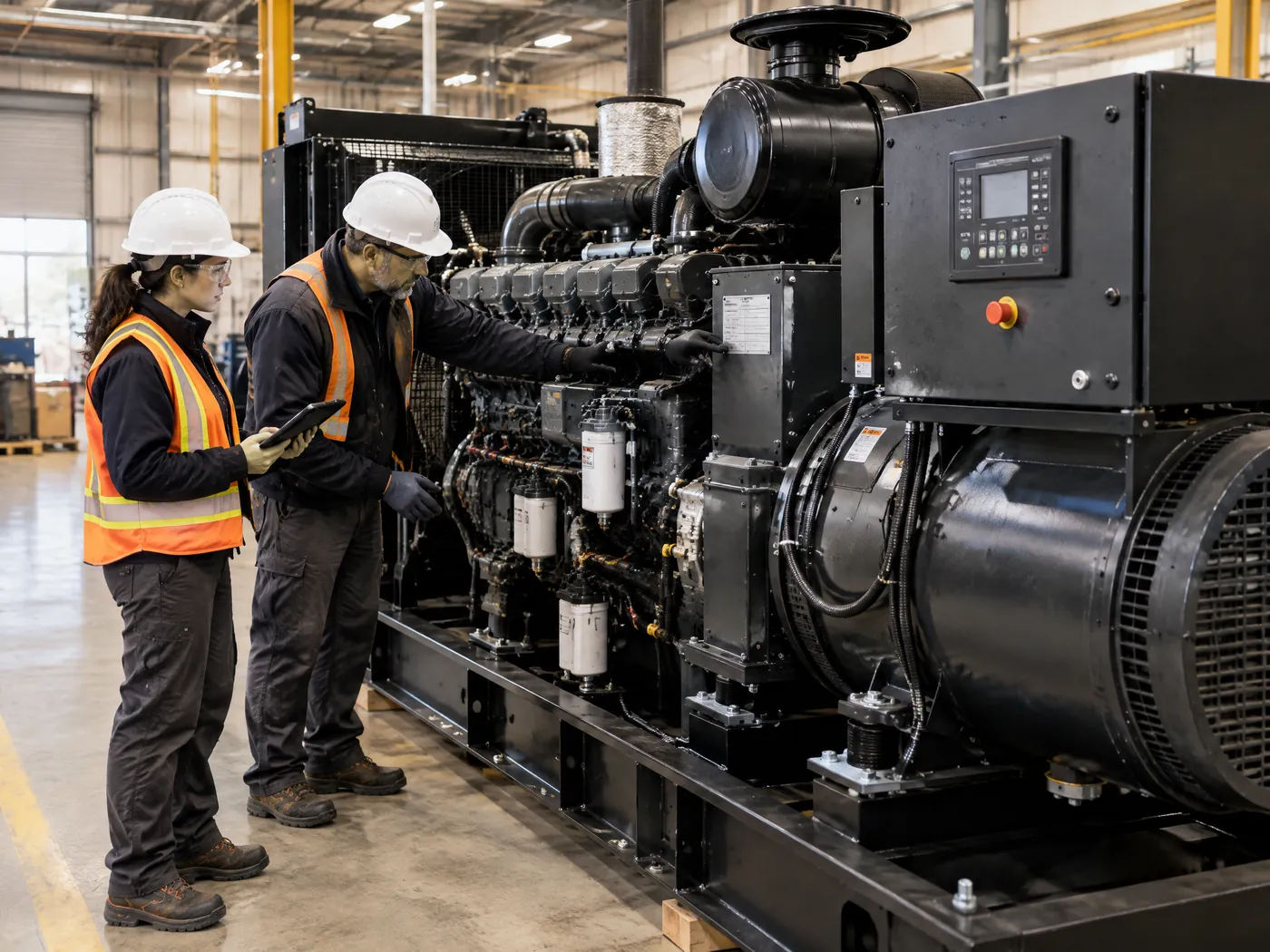
Describe operational condition clearly: runs and passes load test (include load bank report or run sheet), runs but not load tested, cranks but won’t start, or does not crank. Note visible external damage, corrosion, fuel leaks, smoke on startup, and whether the unit has been mothballed. Condition descriptions and evidence (photos, video, maintenance records) are used to prioritize review; we do not certify operational status.
What affects marketability?
Hours and service history
Lower hours and consistent maintenance records increase interest. Records showing recent major overhauls or parts replacement are especially relevant.
Fuel and emissions configuration
Diesel gensets remain common, but natural gas/propane or EPA Tier configurations affect buyer pools and regulatory handling.
Control system and instrumentation
Units with factory Kohler controllers or widely supported aftermarket controllers are more marketable than those with obsolete or heavily modified panels.
Physical transportability
Enclosure type, skid dimensions, lifting points, and dry weight determine freight and rigging complexity and influence net value.
Photo and inventory checklist
Clear nameplate photos showing manufacturer, model, serial, kW/kVA and rated voltage
Close-up of engine nameplate and serial
Alternator nameplate and general alternator photos
Control panel front and any fault or event logs displayed
Overall unit shots from multiple angles showing enclosure condition
Photos of fuel tank(s), fuel connections and any visible leaks
Hours meter and hour reading photo or screenshot
Breaker and wiring compartment photos (with power isolated before opening, if safe to do so and permitted on site by owner/operator policies — do not attempt live testing yourself if unqualified).
Pickup and logistics planning
Include unit dimensions, dry weight, quantity, and exact site address with laydown area and nearest road access. Note any known removal constraints (confined spaces, rooftop installations, basement or aggregate pad locations). We review logistics to estimate removal complexity but do not handle rigging or transportation unless separately contracted. Provide preferred timing windows for inspection or pickup and contact details for site access.
Safety and scope boundary
Do not perform live testing if you are not qualified. When preparing photos or exposing compartments, follow your company’s lockout-tagout and hot work policies. Identify any remaining fuel in tanks and confirm environmental containment measures. Buyers will expect certified riggers, appropriate lifting equipment, and compliance with local environmental and DOT regulations for fuel and waste handling at removal.
Frequently asked questions
How long does a review take once I submit details?
Review time varies with completeness of the submission, location, and market conditions. Providing full nameplate photos, hour reads, and recent maintenance records speeds evaluation. We do not guarantee a response time or an offer.
Will you buy units that do not run?
Non-running Kohler units may be reviewed depending on model, parts value, and transportability. Provide photos, serials, and the reported fault. Acceptance depends on market demand and removal feasibility; no purchase is guaranteed.
Do you need original manuals or parts lists?
Manuals and parts lists help but are not required. Maintenance logs, controller screenshots, and parts receipts are more important for assessing condition and service history.
Do you buy single units, fleets, or whole lots?
We review single units and larger fleets. Quantity, consistency of condition across units, and site logistics affect interest and the structure of any offer.