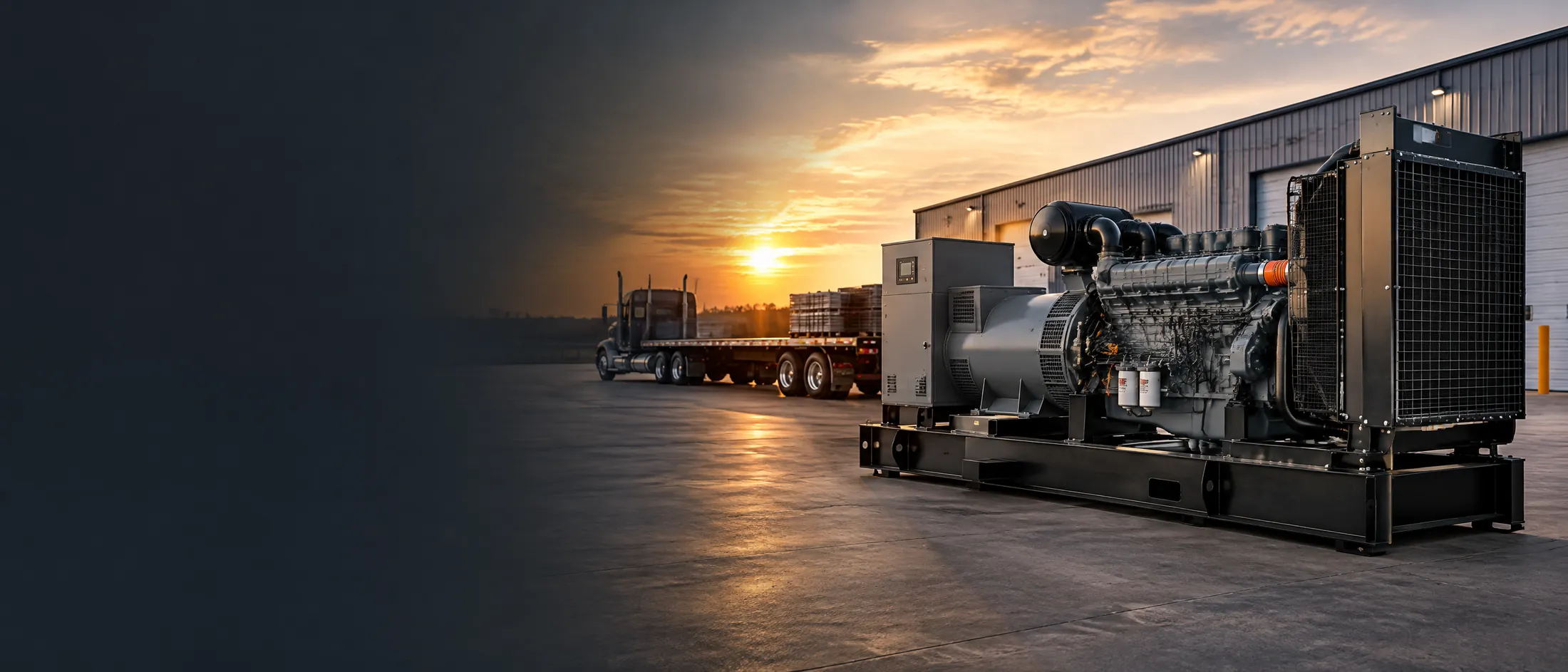
Do you buy Generac Industrial generator sets?
We review qualifying Generac Industrial gensets. The decisive specifications for review are model and serial, kW/kVA with standby or prime rating, voltage/phase/frequency, fuel type, engine and alternator model, runtime hours and year, control panel and breaker configuration, enclosure and tank details, condition and test history, and removal access/location.
What sellers should know
This page describes the information we need when evaluating Generac Industrial generator sets. We assess fixed and standby units used in commercial, industrial, healthcare, and data center applications.
We do not represent Generac and we do not guarantee purchase, price, testing, certification, or removal. Submissions are reviewed case-by-case and a completed evidence package expedites evaluation.
Specifications that support a purchase review
When you submit a Generac Industrial set for consideration, include the following technical specifications and related evidence. Each item is material to our purchase review decision.
Condition and documentation
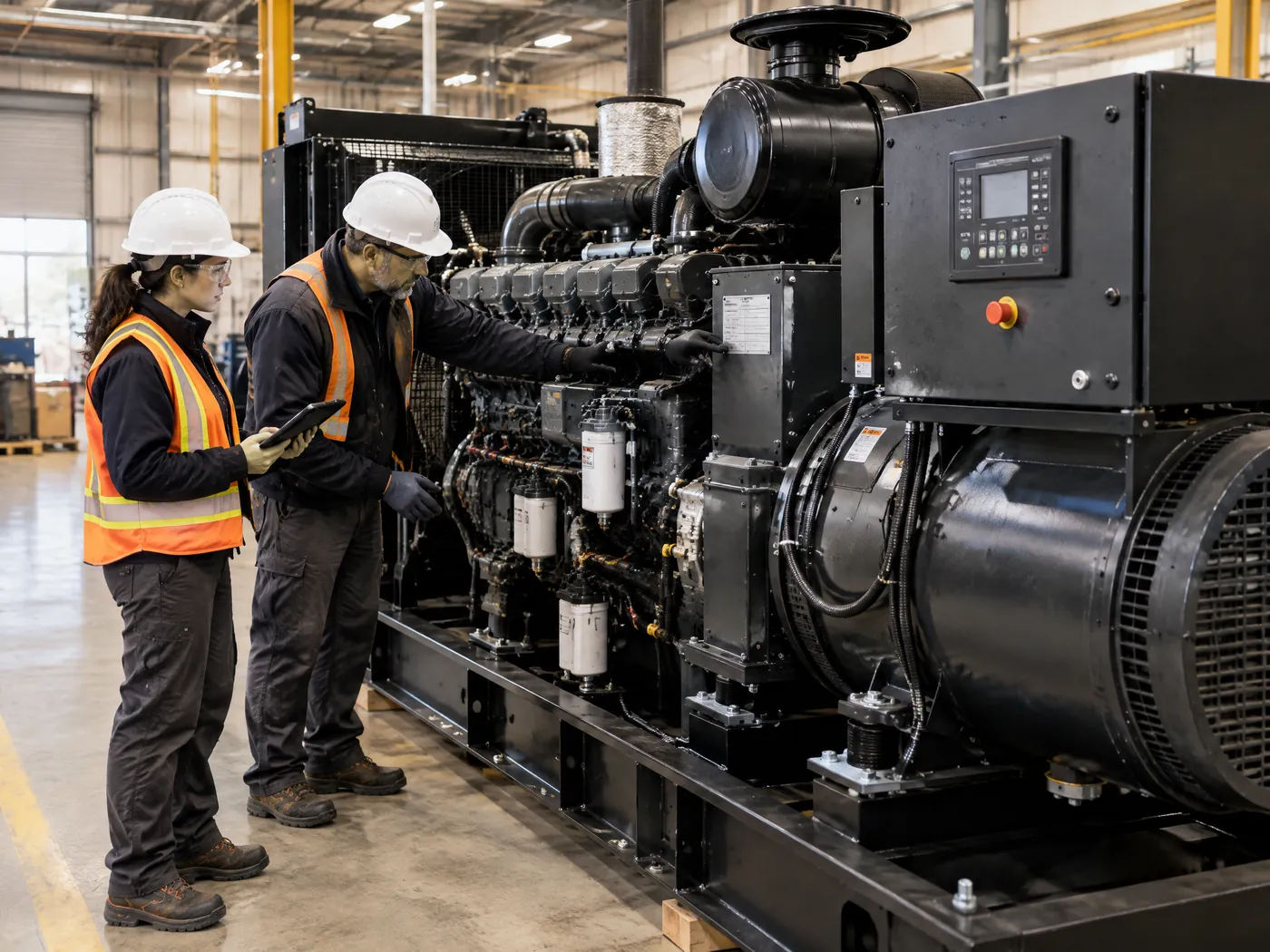
Condition assessment relies on evidence rather than promises of on-site inspection. We evaluate run-status (running vs. non-running), visible corrosion, enclosure damage, oil or coolant leaks, starter and battery condition, hour meter reading, and fuel system integrity. Supporting items such as load bank or run-test reports, shop repair invoices, and recent oil/fuel sample results strengthen a review. Quantity, location, and site access influence feasibility but do not guarantee purchase.
What affects marketability?
Application and Rating
Industrial standby units with common ratings (e.g., 250–2000 kW) and 480V 3-phase configurations are typically easier to place than specialized low-voltage or uncommon frequency sets.
Age, Hours, and Service Records
Lower hours and complete service history increase buyer interest. Units with extensive preventive maintenance documentation are more likely to merit a favorable review.
Emissions and Code Compliance
Local emissions rules and emissions-control equipment (e.g., catalytic systems) affect marketability. Provide any emissions certifications or retrofit records if available.
Spare Parts and Common Components
Popularity of the engine and alternator models influences residual value; common parts reduce cost and time to recondition.
Photo and inventory checklist
Full-unit exterior shots (one from each side) showing enclosure and mounting
Close-up photo of the nameplate showing model, serial, and output ratings
Engine nameplate and alternator nameplate photos
Control panel face with model/version and any event logs visible
Hour meter/totalizer reading
Photos of fuel tank(s), fuel lines, and fills; note integral vs. external tank
Photos of breaker(s) and distribution connection points
Interior shots showing wiring, engine condition, and exhaust routing (if accessible safely on-site by seller staff only)
Pickup and logistics planning
Include location (site address), site access notes (clearance height, crane access, forklift availability), rough dimensions and weight if known, quantity of units, and any site restrictions (e.g., security, hours for removal). We do not arrange pickup or removal; this information helps determine whether a unit is likely to be movable with standard rigging or requires special handling.
Safety and scope boundary
Sellers must ensure equipment is de-energized and isolated and that any hazardous materials (fuel, coolant, batteries) are identified before submitting details. We rely on seller-provided statements about isolation and containment. We do not carry out site safety inspections or certify equipment for reuse.
Frequently asked questions
Do you buy non-running Generac Industrial generator sets?
Yes, non-running units can be considered, but evaluation depends heavily on the stated fault, available repair history, and parts availability. Provide as much diagnostic information and photos as possible; missing details reduce the likelihood of a positive review.
What documentation speeds up the review?
Nameplate photos, engine and alternator model/serials, recent run-test or load-bank reports, maintenance invoices, and clear photos of control panels and hour meters are the most helpful items.
Do you purchase single units and entire fleets?
We review both single units and bulk lots. Quantity, consistent condition across units, and consolidated documentation are material factors in evaluating fleet submissions.
Will you provide a firm offer or arrange removal?
We do not guarantee that a review leads to a firm offer, nor do we promise to arrange removal. Any transaction terms, pricing, and logistics would be negotiated separately if a purchase interest is identified.