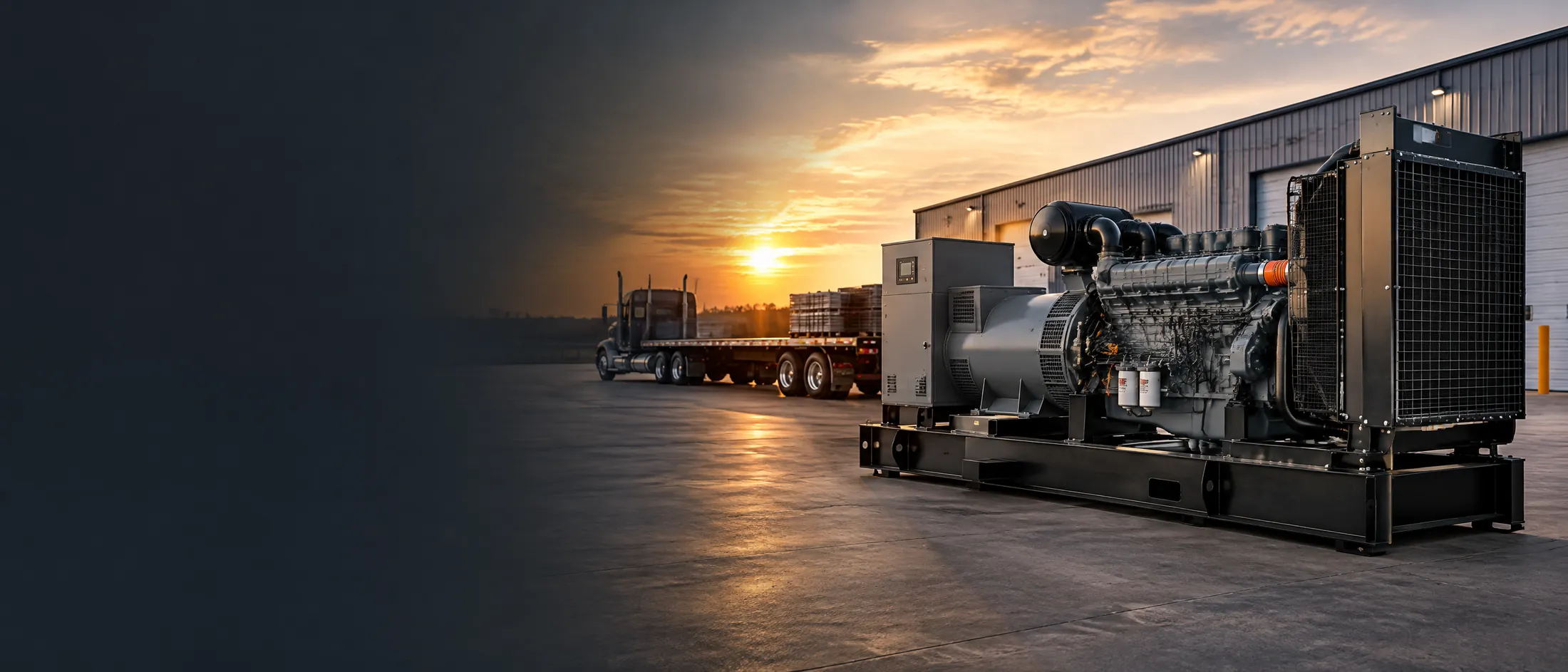
Do you buy MTU (Rolls‑Royce Power Systems) generator sets?
We review qualifying MTU (Rolls‑Royce Power Systems) gensets for purchase. The decisive specifications are manufacturer and model/serial, kW/kVA with prime or standby rating, voltage/phase/frequency, fuel type and tank, engine and alternator model, hours and service history, control system, breaker size, enclosure and condition, and site logistics such as location, access, and quantity.
What sellers should know
This page explains what MTU (Rolls‑Royce Power Systems) equipment we consider and which facts most affect a purchase review.
We evaluate industrial diesel gensets used in standby, prime, or continuous duty, plus MTU genset packages sold under related brands without claiming manufacturer affiliation or warranty transferability for sellers' units only.
Specifications that support a purchase review
Provide the following technical details so we can perform a focused review. Missing or inconsistent data slows evaluation.
Condition and documentation
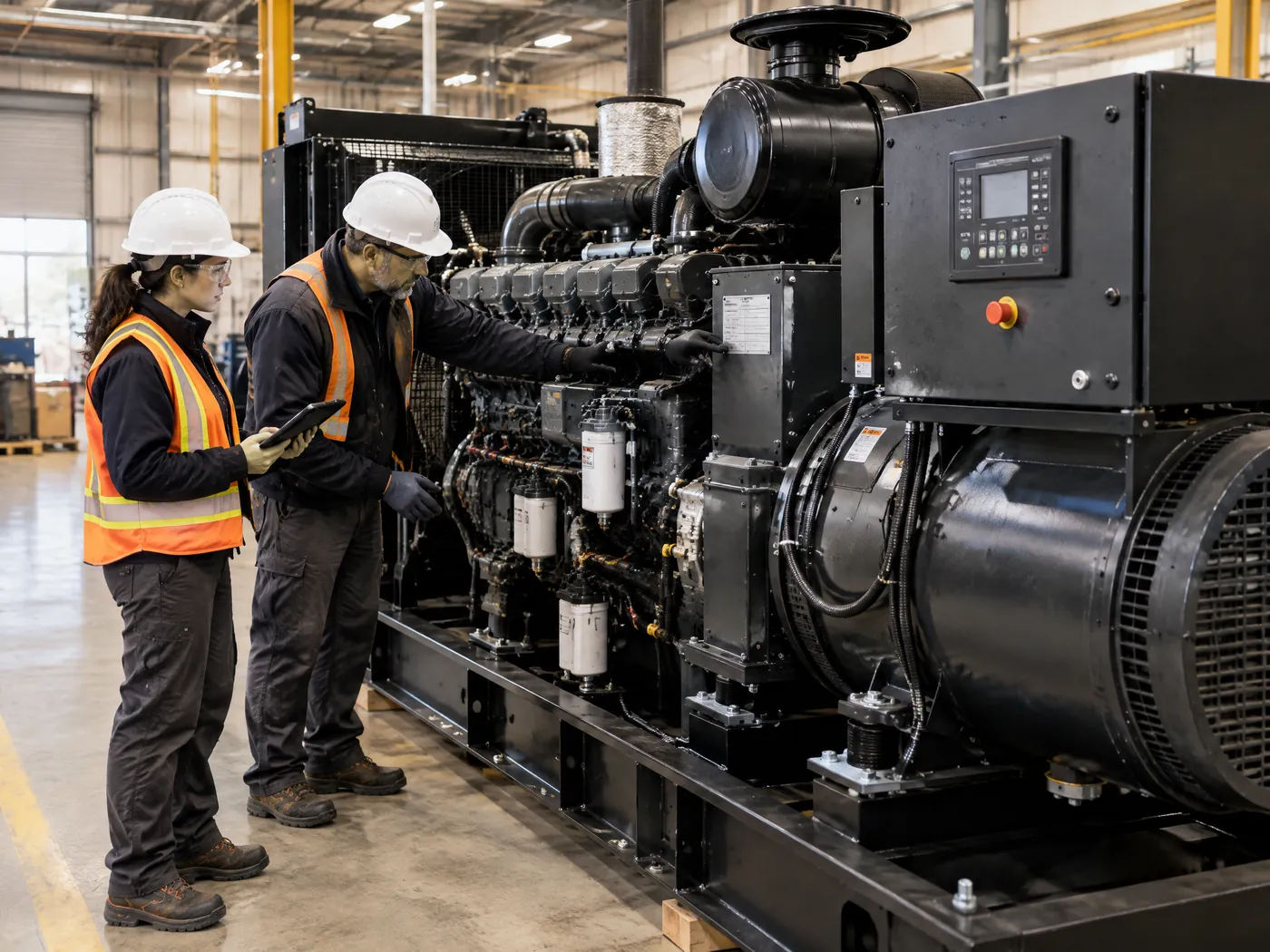
Describe the unit’s current condition factually: visible corrosion, enclosure damage, evidence of fuel or coolant leaks, smoke on start, and any known mechanical or electrical failures. Include run hours, date of last start and last load test, recent repairs or component replacements, and whether the genset has been stored indoors or outdoors. Attach service records, parts invoices, and control logs where available to support a review.
What affects marketability?
Age and run hours
Lower hours and recent heavy maintenance or overhauls increase interest. High hours or long idle storage are acceptable if substantiated by rebuild records and parts replaced.
Emissions and regulatory status
EPA Tier level, SCR/DPF equipment, and local emissions compliance affect potential buyers, especially for permanent installations in regulated regions.
Spare parts and serviceability
Popular MTU series with available exchange parts or authorized service options command stronger consideration than obscure or heavily modified builds.
Controller and protection package
Units with intact OEM controllers, event logs, and matching protections (breakers, sync gear) are easier to remarket than units missing controls.
Photo and inventory checklist
Engine data plate and serial number (clear close-up)
Alternator nameplate and serial
Control panel front showing controller model and any fault messages
Genset exterior from four sides showing enclosure condition
Fuel tank(s) and piping connections
Exciter/AVR tag and alternator connections
Breaker and distribution gear nameplates
Visible tags/stickers showing ratings (kW/kVA, voltage, Hz, phase, duty type) and build date if present
Pickup and logistics planning
Tell us the unit location, site access (clearance height, gate width), mount type (skid, trailer, container), dimensions and approximate weight, and whether the unit is wired to a building or isolated. Indicate quantity and whether units are stacked or in racks. We do not coordinate removal but need this information to determine likely buyer interest and estimate potential rigging requirements during review.
Safety and scope boundary
Provide documentation of any site safety or permit restrictions that affect inspection or removal. Confirm whether confined-space, hot-work, or other site procedures are required for our review team to attend; we do not perform or certify safety checks and will rely on the seller to disclose hazards and access constraints.
Frequently asked questions
Which MTU models do you commonly review?
We commonly review MTU 400, 1600, 2000 and 4000 series gensets and packages where the engine and alternator serials are available, but we will consider other MTU/Rolls‑Royce Power Systems models if adequate documentation and photos are provided.
Do you buy engines without alternators or controllers?
We will consider incomplete assemblies, but missing major components materially affect valuation and marketability. Disclose exactly what’s included so we can assess interest.
How important are load tests and service records?
Very important. Recent load test reports, service logs, and invoices demonstrating routine maintenance or overhauls materially improve the likelihood of a positive review.
Will you inspect units on site?
We review submitted documentation and photos first. If further inspection is needed, we’ll request access details and may coordinate a site visit, subject to seller permission and scheduling—no removal or purchase is guaranteed from review.