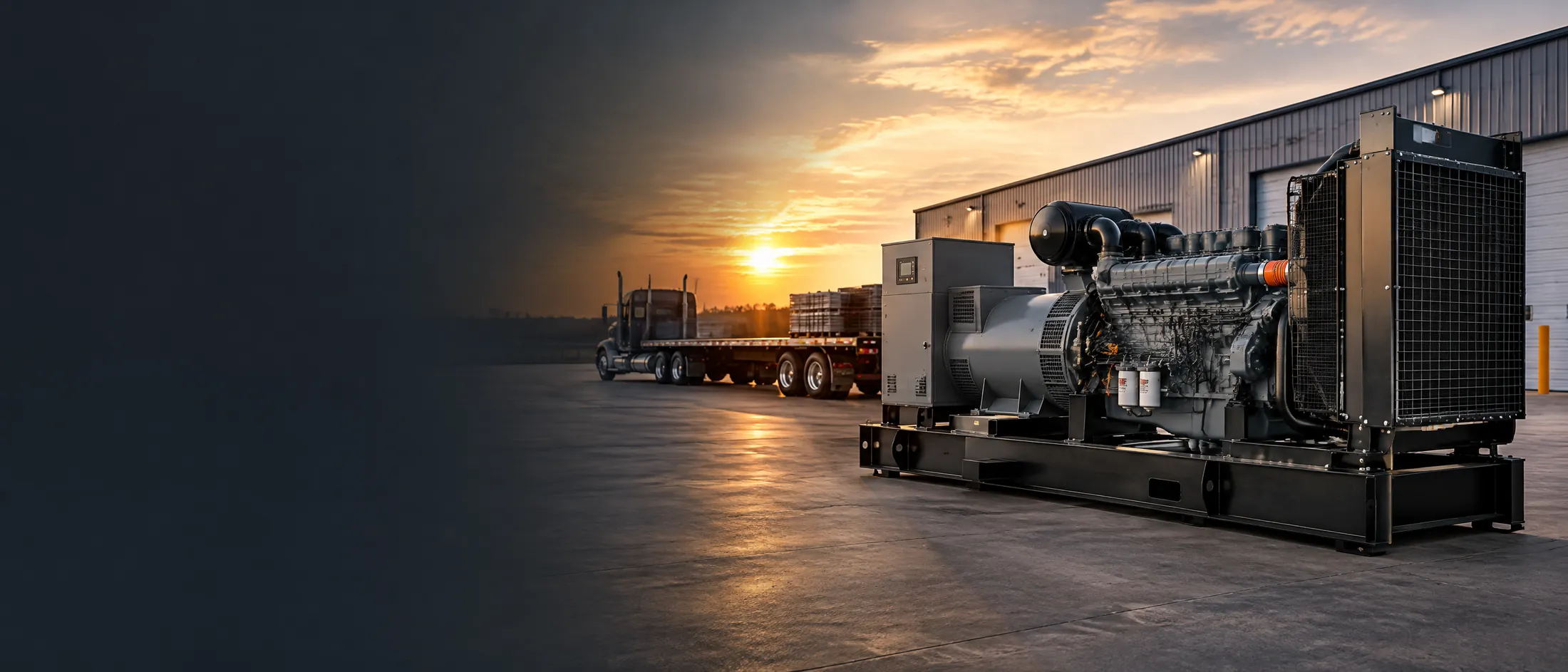
Will you buy my John Deere generator set?
We review qualifying John Deere‑powered commercial generator sets. The most decisive specs are model and serial, kW/kVA (standby and prime), voltage/phase/frequency, fuel type, engine and alternator models, year and hours, control panel and breaker details, enclosure/tank, test history, location, quantity and access. Provide photos and service records to support review.
What sellers should know
We buy surplus John Deere‑powered commercial generator sets used in industrial, data center, healthcare and rental applications. We evaluate both factory John Deere gensets and prime movers where a John Deere engine is fitted.
Sets commonly reviewed range from small standby units to large prime power installations. We accept skid, trailer, enclosure and containerized configurations when documentation and condition warrant review for resale, rebuild or parting out.
Specifications that support a purchase review
When submitting a John Deere generator for review, include the following specifications. These are the details our technical and commercial teams use to determine qualification for purchase review.
Condition and documentation
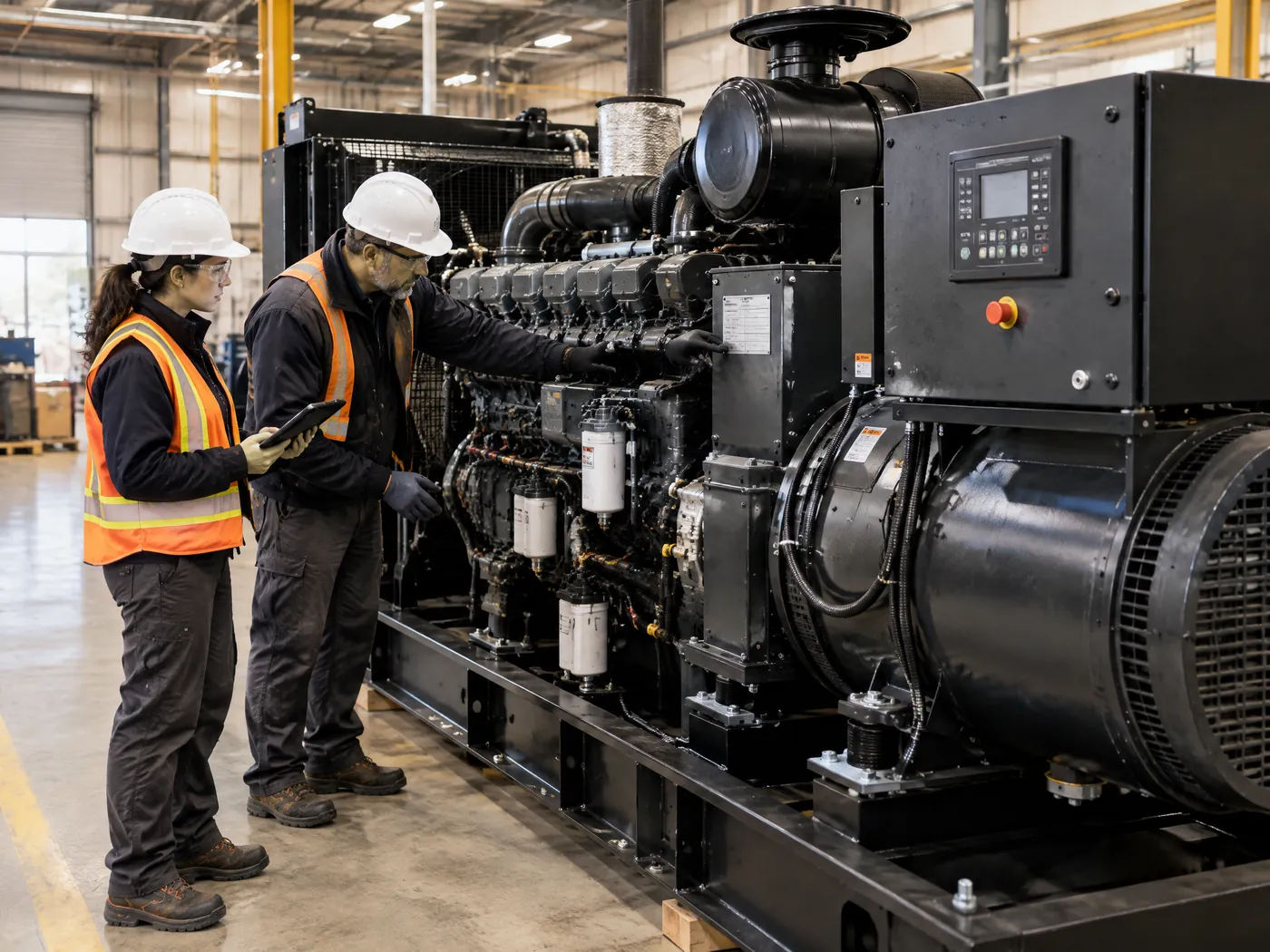
We accept running and non‑running John Deere sets, but purchase review depends on verifiable condition evidence. For running units, provide start/run video and last load test. For non‑running units, provide clear photos of engine, alternator, control panel and obstruction or damage details. Evidence we rely on includes hour meter photos, service logs, failure diagnosis, and documented reasons for decommissioning.
What affects marketability?
Service and parts availability
Units with complete service records and identifiable engine/alternator serials are easier to place. Older engines with scarce parts or non‑standard alternators reduce the buyer pool.
Emissions and retrofit considerations
EPA or local emissions stage, aftertreatment hardware, and permits influence where a unit can be resold and its market segment (construction, stationary standby, or non‑regulated export).
Control and protection equipment
Modern control systems and documented relay settings increase value. Obsolete or proprietary controls that require major refurbishment typically lower interest.
Quantity, logistics and location
Multiple identical units on one site, easy truck access, and clear documentation improve the chance of a positive review. Single, hard‑to‑access units may still qualify but require more detail.
Photo and inventory checklist
Nameplate(s) showing manufacturer, model and serial
Engine serial plate and general engine bay photos
Alternator nameplate and drive connection
Control panel front and internal wiring
Breakers, ATS details and protective relays
Hour meter/engine hours reading
Enclosure exterior (all sides) and mounting skid
Fuel tank(s) and breather/fill details (if integral or jacketed fuel tanks exist) and nearby fuel piping if relevant (with photos showing condition).
Pickup and logistics planning
We do not guarantee purchase, price, testing or removal. If a unit qualifies, later steps may include site inspection, source documentation review and an executed removal plan. Provide location, laydown options, access width/height, and any lift equipment onsite to facilitate a realistic review.
Safety and scope boundary
Do not attempt electrical disconnection, fuel handling or engine start/stop without a qualified technician. We evaluate risk factors from photos and documentation; any removal or testing must be performed by certified personnel in compliance with local codes and safety procedures.
Frequently asked questions
Do you buy John Deere generators that won’t start?
Yes, we review non‑running units, but we need clear photos of the engine, alternator, control panel, and hour meter, plus a written description of fault symptoms and any diagnostics performed. Non‑running units are assessed for parts value, repair cost, and marketability.
What documentation do you require for a fast review?
Key documents are the genset nameplate photo, engine serial plate, alternator plate, recent service records, last load test or run log, and photos of the control panel. Quantity lists and an equipment location plan speed commercial review.
Will you test a unit onsite before purchase?
We do not promise onsite testing. In many cases, review is based on submitted evidence (photos, logs, start videos). If a site inspection is required later, it will be arranged under separate terms and with qualified personnel.
Can you buy multiple units from the same site?
Multiple identical units improve interest. Provide a count, serial range, and photos for each unit plus site access details. Volume purchases are considered but still depend on specification, condition evidence and logistics.