Do we buy fixed-mount circuit breakers?
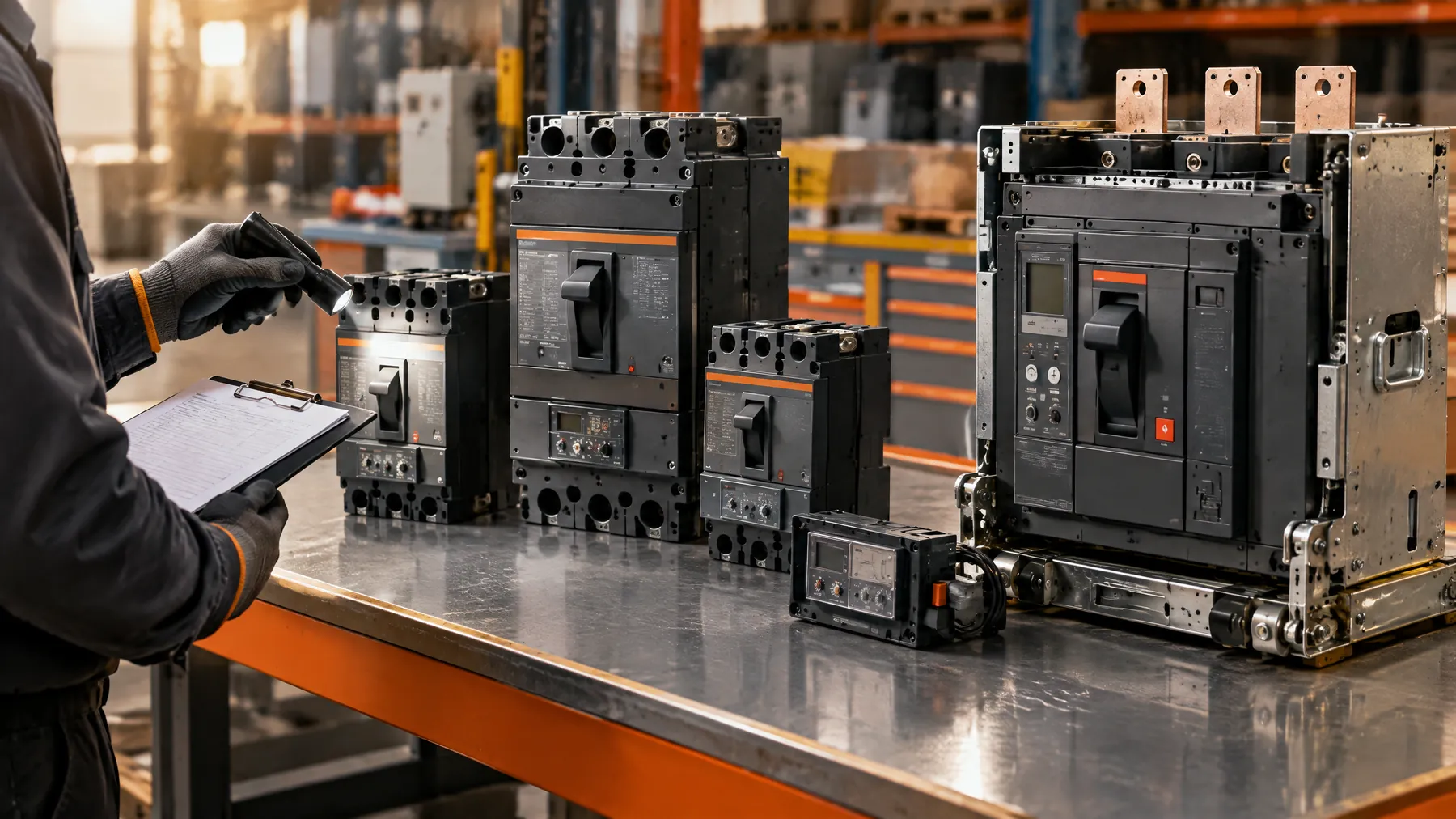
Yes—Surplus Generator Buyers purchases fixed-mount circuit breakers when the manufacturer, exact catalog or series, electrical ratings, physical condition, quantity, location, completeness, and current market demand fit our buying criteria. We review fixed-mounted molded-case, air, vacuum, and insulated-case breakers used in commercial and industrial systems. Submit clear ID photos and rating plates to start a quick review and preliminary offer.
What sellers should know
Fixed-mount circuit breakers are common in commercial switchgear, motor control centers, and distribution panels. Surplus Generator Buyers evaluates fixed-mounted units by manufacturer, catalog/series, ampere and trip details, interrupting rating, and physical condition. We buy breakers removed from decommissioned switchboards, renovation projects, and surplus inventories nationwide. To begin, provide photos, serial and catalog numbers, quantities, and site location. Our acquisitions team can answer follow-up questions by phone or email and will advise on next steps. Qualified personnel must handle energized testing, disconnection, and removal.
Examples we review
Use the list below as an identification guide, not a promise that every unit will qualify. The exact model, configuration, condition, quantity, location, completeness, and present demand still control the purchasing decision.
What information should you send?
A complete submission lets a buyer answer the seller’s real question: whether this exact breaker or inventory has a practical commercial market. Copy identifiers exactly as shown and support them with current photographs.
Manufacturer (exact name on nameplate)
Complete catalog/model number and serial number
Ampere rating, frame size, and trip type or trip unit details
Voltage rating, number of poles, and interrupting rating (where applicable)
Condition and testing history or visible damage
Quantity available and pick-up location or site access details
What affects marketability and value?
Commercial marketability for fixed-mount breakers hinges on clear identification and usable ratings. Fully labeled units from established manufacturers with intact trip mechanisms and documented ratings tend to be in demand. Breakers that match common frame sizes and interchange standards see faster resale. Units with unknown condition or missing nameplates require inspection and testing, which affects value. Large quantities, recent maintenance history, and nearby pickup locations improve marketability without guaranteeing a price.
Manufacturer & Series
Breakers from widely supported manufacturers and recognizable series are easier to resell. Exact catalog and series numbers allow buyers to match parts and verify interchangeability, which often shortens time-to-sale.
Interrupting Capacity
High interrupting rating (kAIC) and proper voltage class make fixed breakers suitable for industrial applications. Higher rated breakers command stronger secondary-market interest due to broader applicability.
Condition & History
Breakers with documented maintenance, recent testing, or clean removal from a working system are more desirable. Visible damage, corrosion, or missing nameplates reduce marketability and require inspection.
Quantity & Logistics
Bulk lots and nearby pickup reduce handling and transportation costs. Larger, consistent quantities attract resellers and can improve pricing compared with single units scattered across locations.
Where this equipment is commonly found
Fixed-mount circuit breakers are typically installed in commercial switchgear, distribution sections, MCCs, and industrial power centers. Project history matters: breakers from lightly used mechanical rooms or upgraded electrical systems often retain more resale value than units removed after faults. Knowing whether a breaker protected a feeder, motor, or transformer helps buyers match surplus stock to current purchaser needs and speeds evaluation.
How to prepare the breaker for review
Preserve rating plates, catalog and serial numbers, and any manufacturer labels. Photograph the front, side, and rating plate, plus any mounting hardware and accessory modules. Note whether trip units are electronic, thermal-magnetic, or vacuum. Do not energize or attempt in-service tests yourself; qualified personnel must handle energized equipment, functional testing, disconnection, and safe removal. Label crates or pallets with counts and location for a faster quote.
Do not clean labels with harsh chemicals, dismantle the breaker for better photographs, remove copper, separate matched accessories, or energize an unknown unit. Keep the inventory dry, protected from impact, and associated with its records. Qualified personnel must control any testing, electrical isolation, disconnection, racking, rigging, or field removal.
How the sale moves forward
Frequently asked questions
Do you buy used or obsolete fixed-mount circuit breakers?
We consider used and obsolete fixed-mount breakers case by case. Purchase depends on manufacturer, catalog number, ratings, condition, and buyer demand. Some obsolete units still have value to collectors or repair shops. Send detailed ID photos and specs for evaluation.
What photos and documentation should I send?
Photograph the rating plate, front and side views, trip unit, mounting points, and any accessories. Include close-ups of catalog and serial numbers. Also provide quantity, site location, and any test or maintenance records you have.
How many breakers do you buy and who handles shipping or removal?
We buy single units and large lots nationwide. Shipping or removal terms are negotiable based on quantity and location. For working or energized systems, qualified personnel must handle disconnection and safe removal. Discuss logistics with our acquisitions team early.
How long until I receive an offer?
Response time depends on identification quality, quantity, condition, location, and project complexity. Complete catalog information, readable labels, current photographs, and clear logistics details reduce follow-up questions. Large or installed inventories may require additional review before terms are final.