Do we buy insulated-case circuit breakers?
Yes—We buy insulated-case circuit breakers depending on manufacturer, exact catalog/series, ratings, condition, quantity, location, completeness, and current demand. Send catalog numbers, frame and trip ratings, voltage/pole count, and photos for a quick preliminary offer. Final offers may require inspection or test records. Removal and any energized work must be performed by qualified electrical personnel.
What sellers should know
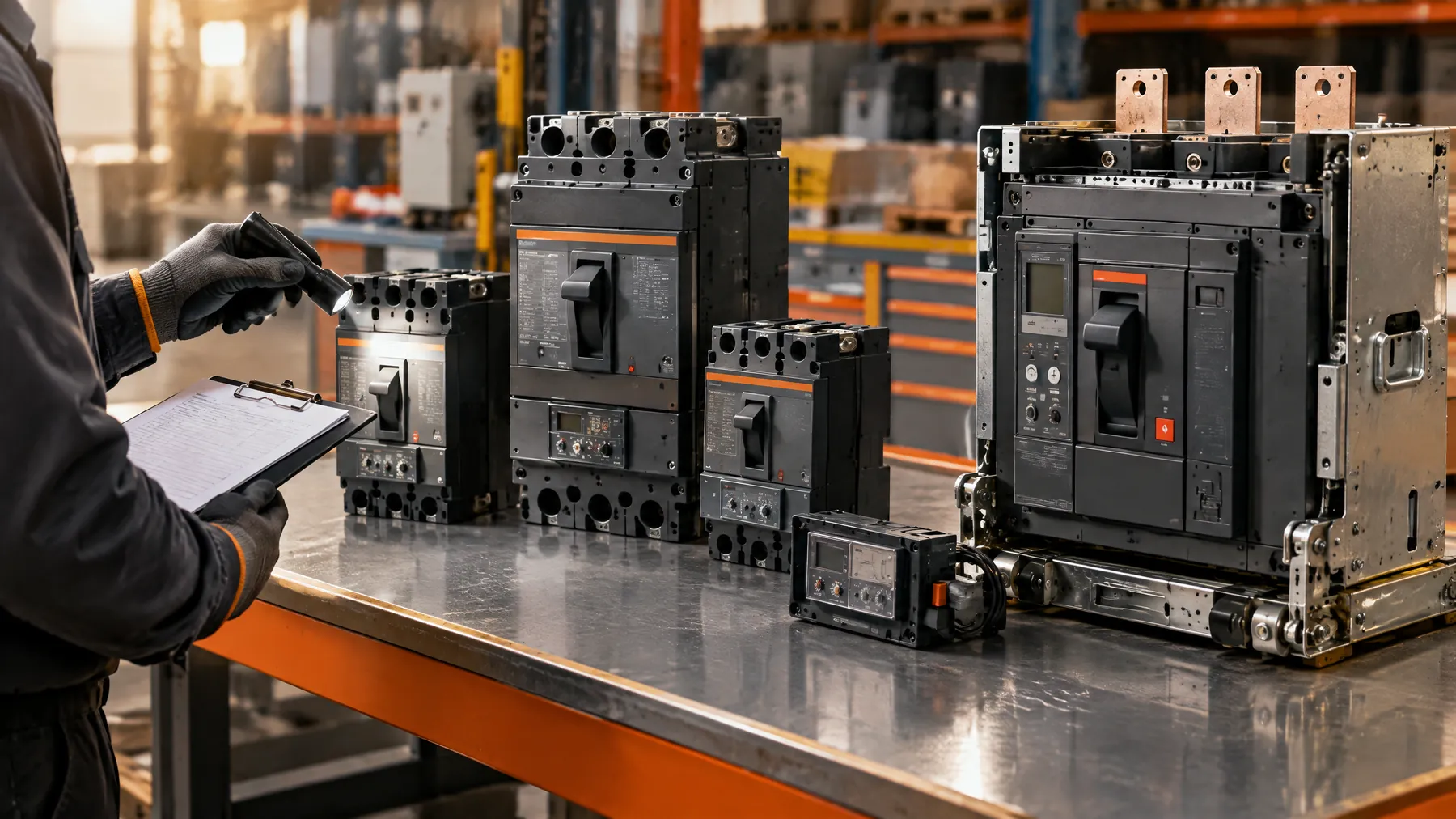
Insulated-case circuit breakers (ICCBs) are medium- and low-voltage protective devices used in commercial and industrial power distribution equipment. Surplus Generator Buyers purchases ICCBs from facility decommissioning, retrofit projects, maintenance stock, and service surplus when manufacturer, catalog or series, electrical ratings, and condition meet market interest. We evaluate frame size, trip assemblies, draw-out mechanisms, and accessories. Provide complete identification, test history when available, and clear photos to speed an offer. We buy single breakers up to full panel sets nationwide; logistics, quantity, and condition determine final terms.
Examples we review
Use the list below as an identification guide, not a promise that every unit will qualify. The exact model, configuration, condition, quantity, location, completeness, and present demand still control the purchasing decision.
What information should you send?
A complete submission lets a buyer answer the seller’s real question: whether this exact breaker or inventory has a practical commercial market. Copy identifiers exactly as shown and support them with current photographs.
Manufacturer and brand
Complete catalog/model and series numbers
Ampere rating, frame size, and trip unit type
Voltage rating, pole count, and interrupting (AIC) rating
Condition and any available test or maintenance records
Quantity and physical location for pickup or shipping
What affects marketability and value?
Marketability of insulated-case circuit breakers depends on compatibility, ratings, and documentation. Breakers from well-known OEMs, intact electronic trip units, valid nameplates, common frame sizes, and documented test records are easiest to place with contractors, OEMs, and electrical distributors. Complete units with handles, racking hardware, and uncorroded enclosures attract more buyers. Obsolete or damaged units can still have value for parts or refurbishment, but missing identifiers or unknown electrical history reduce interest and price. Clear identification and photos broaden buyer options.
Manufacturer/Series
Recognizable manufacturers and series increase demand because buyers can match parts and trip units. Unknown brands reduce buyer confidence and lower resale potential unless test records or refurbishment options exist.
Trip Unit Type
Electronic trip units retain higher value because of adjustable protection and easier recertification. Thermal-magnetic trips are common and useful, but lack of documentation limits marketability for protective relays and motor applications.
Interrupting Capacity
Higher interrupting ratings (AIC) are in demand for industrial feeders and main panels. Low AIC or missing ratings significantly reduce reuse potential; buyers favor breakers that meet current system fault levels.
Condition & Documentation
Clean enclosures, intact nameplates, and test records raise buyer confidence. Corrosion, missing parts, or unknown history trigger discounts or salvage-only offers; documented maintenance history expands resale channels.
Where this equipment is commonly found
ICCBs are commonly used in switchgear, motor control centers, generator paralleling, UPS distribution, and main distribution panels in factories, hospitals, data centers, and commercial projects. Buyers prefer equipment removed from controlled retrofits or planned upgrades rather than unknown industrial contamination. Knowing the original application (feeder, motor, generator) and project history helps match breakers to proper buyers and clarify expected remaining life and testing needs.
How to prepare the breaker for review
Preserve manufacturer nameplates, trip unit labels, and any maintenance or test tags. Photograph close-ups of catalog/model numbers, nameplates, trip unit serials, front and side views, accessory modules, and any damage. Note storage conditions, corrosion, and missing parts. Keep breakers dry and labeled by location. Do not perform energized testing, disconnection, or removal yourself; qualified electrical personnel must handle those activities. Provide pallet/skid dimensions and access notes to plan removal or shipping.
Do not clean labels with harsh chemicals, dismantle the breaker for better photographs, remove copper, separate matched accessories, or energize an unknown unit. Keep the inventory dry, protected from impact, and associated with its records. Qualified personnel must control any testing, electrical isolation, disconnection, racking, rigging, or field removal.
How the sale moves forward
Frequently asked questions
Do you buy used or obsolete insulated-case circuit breakers?
Yes—we may buy used, end-of-life, or obsolete insulated-case breakers depending on condition, parts value, and demand. Obsolete units can have value for refurbishment or spare parts. Provide identification and any test history; final interest depends on inspection and marketability.
What photos do you need to evaluate insulated-case breakers?
Send clear photos of the nameplate and catalog/model, close-ups of the trip unit and serial numbers, front and side enclosure views, mounting and accessory hardware, and any damage or corrosion. Include a photo of the storage location and pallet if possible.
What quantities do you buy and do you help with shipping or removal?
We buy single breakers through full panel sets and larger lots. We can advise on logistics and recommend carriers or rigging, but removal of energized equipment must be done by qualified electrical personnel. Provide quantity, weight estimates, and access details to plan removal.
How are insulated-case breakers valued for an offer?
Valuation is based on manufacturer, exact catalog/series, ampere/frame and trip ratings, interrupting capacity, condition, test records, and quantity. Market demand and regional project activity also affect offers. Provide complete identification and photos for the most accurate preliminary quote.